Day 1: The Island of Ancient Wealth
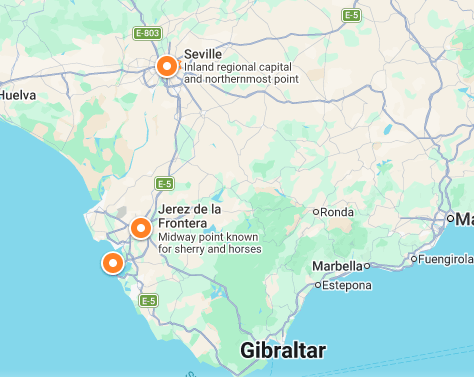
In the spring of 2026, we traded the prospect of a long-haul flight for the reliable amber glow of Andalusia. Our targets? Cadiz and Jerez—two ancient stalwarts of culture, heritage, and more importantly, superb fortified wine. I only drink Sherry at Christmas, but it does taste good and has a fascinating heritage.
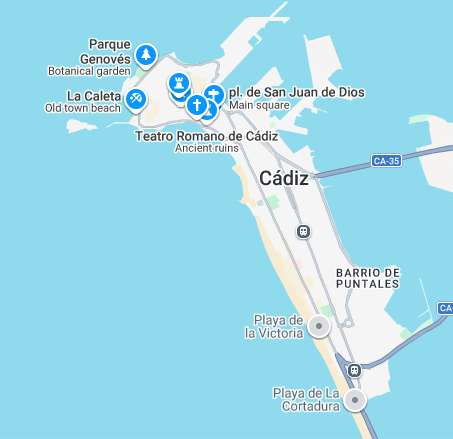
Cadiz is a city that refuses to be part of the mainland. Founded 3,000 years ago by Phoenicians from Tyre (in modern-day Lebanon), it sits on a narrow isthmus, almost entirely surrounded by the Atlantic and the Bay of Cadiz. It’s less of a city and more of an anchored ship that once held the keys to Spanish colonial wealth.
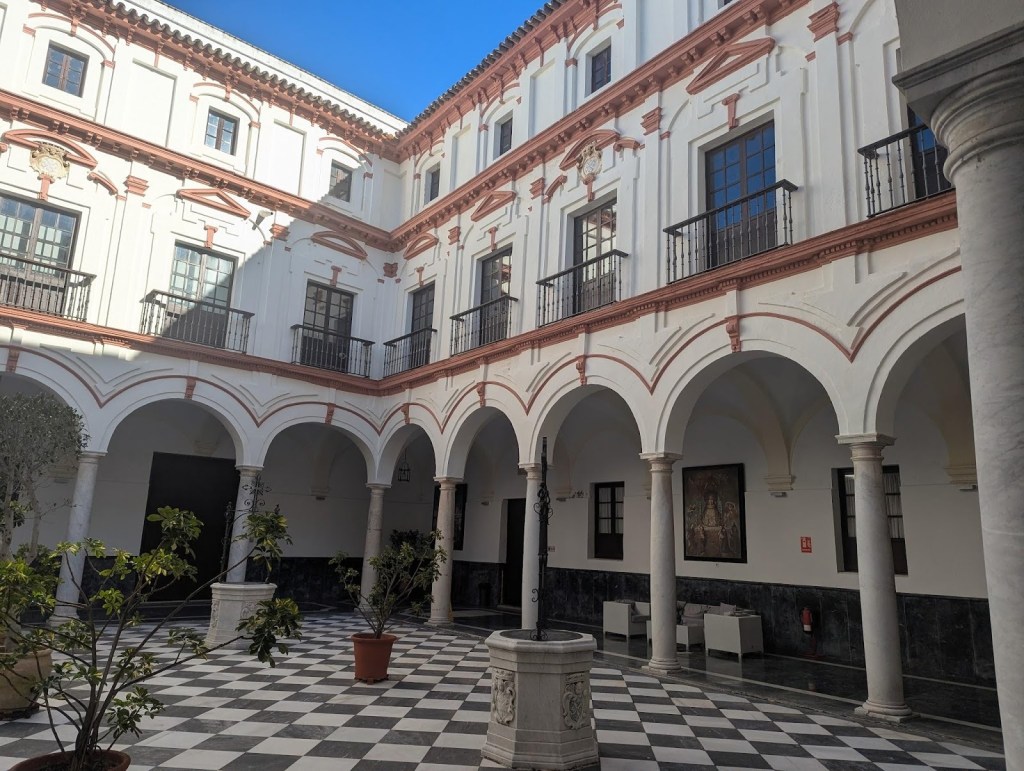
We checked into the Hotel Boutique Convento, a beautifully converted convent which is a peaceful alternative to modern hotels. After shaking off the travel dust, we headed to the port. In the 18th century, this harbour groaned under the weight of silver from the mines of Potosi in Peru; today, it hosts cruise ships. We traced the coastline, passing fortifications built to keep out English privateers like Sir Francis Drake, who famously “singed the King of Spain’s beard” here in 1587. That looks like Francis Drake sang a song about the King of Spain’s beard, but actually means he metaphorically set it on fire in the Battle of Cadiz in 1587.
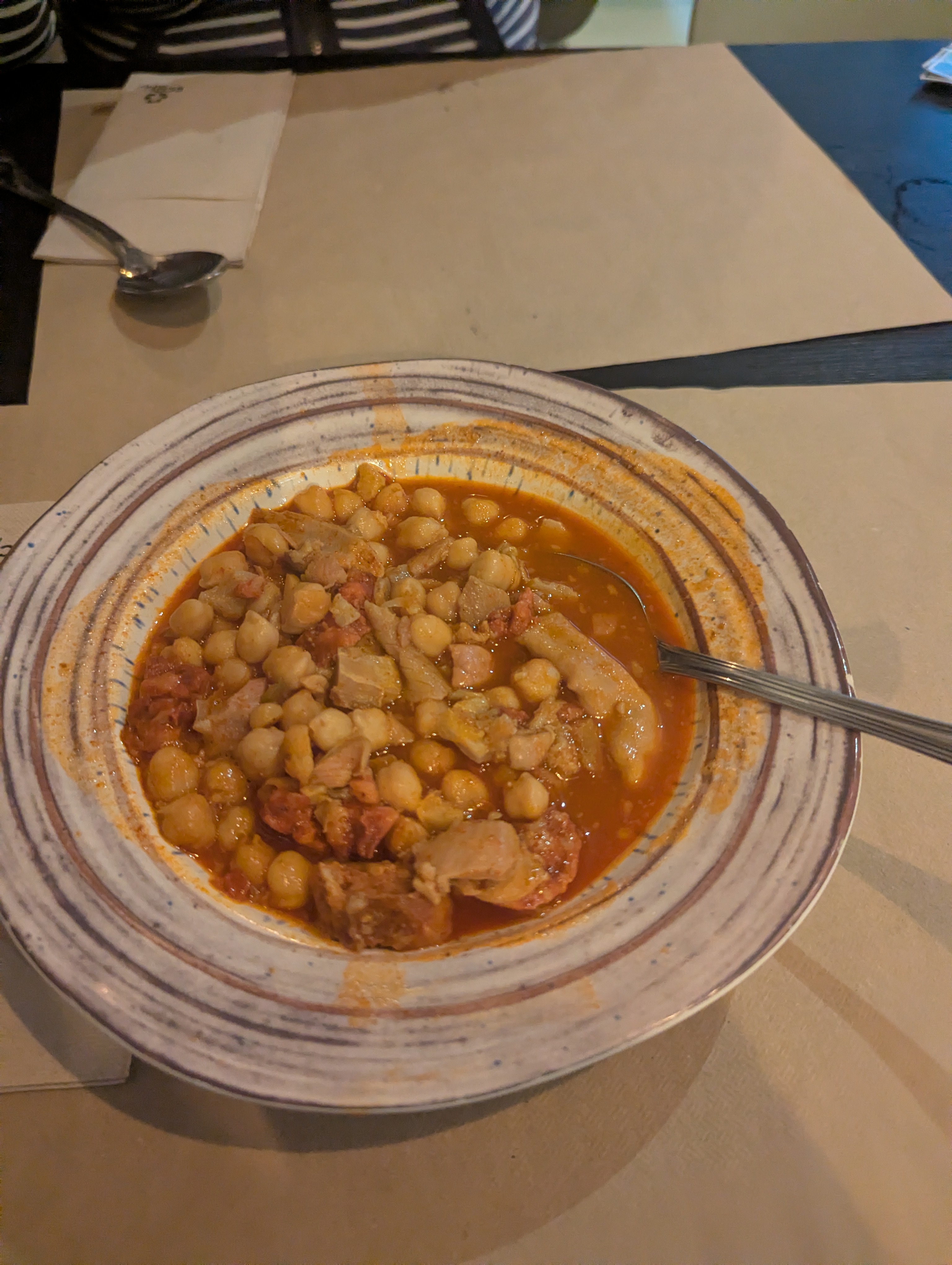
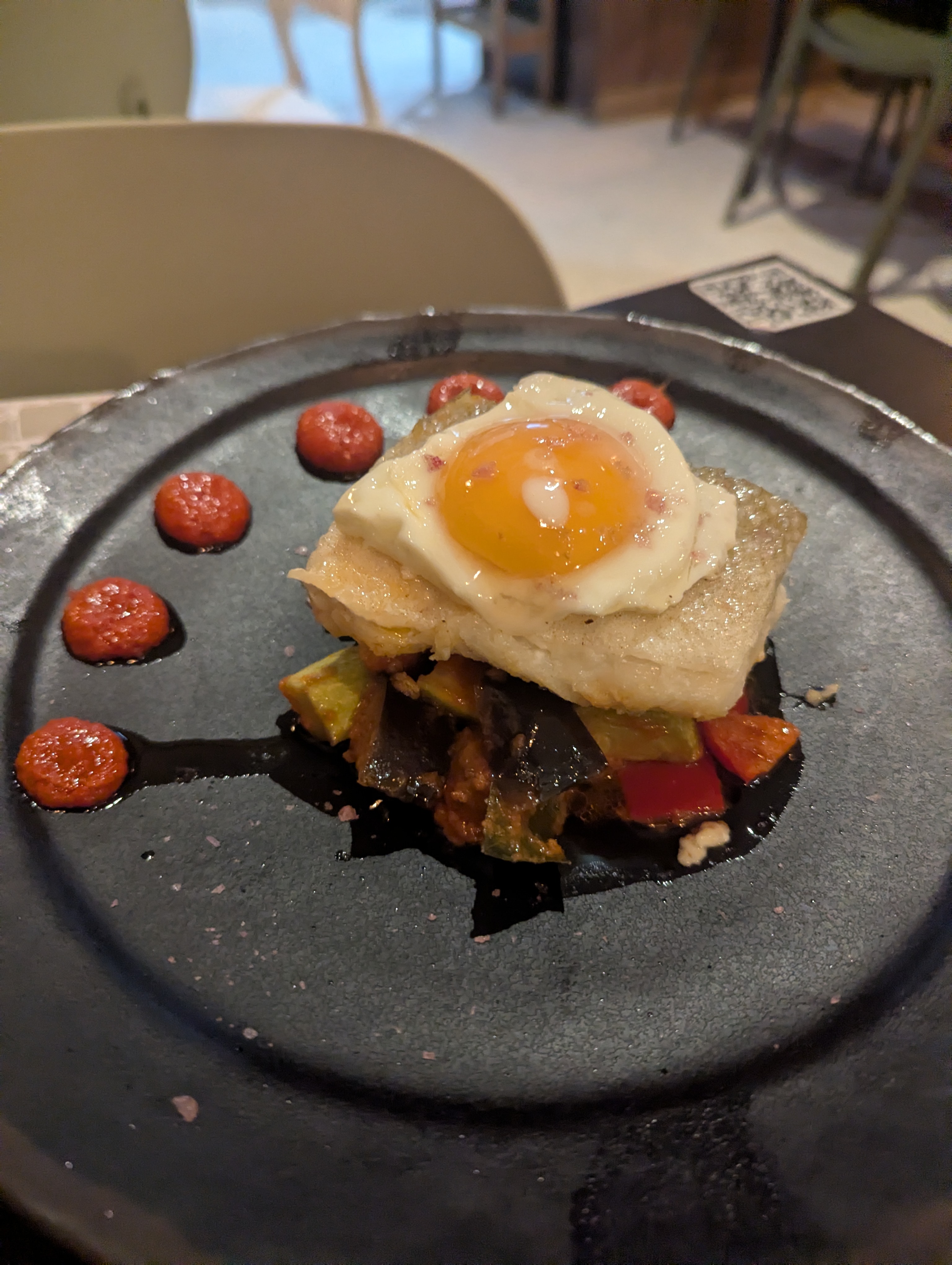
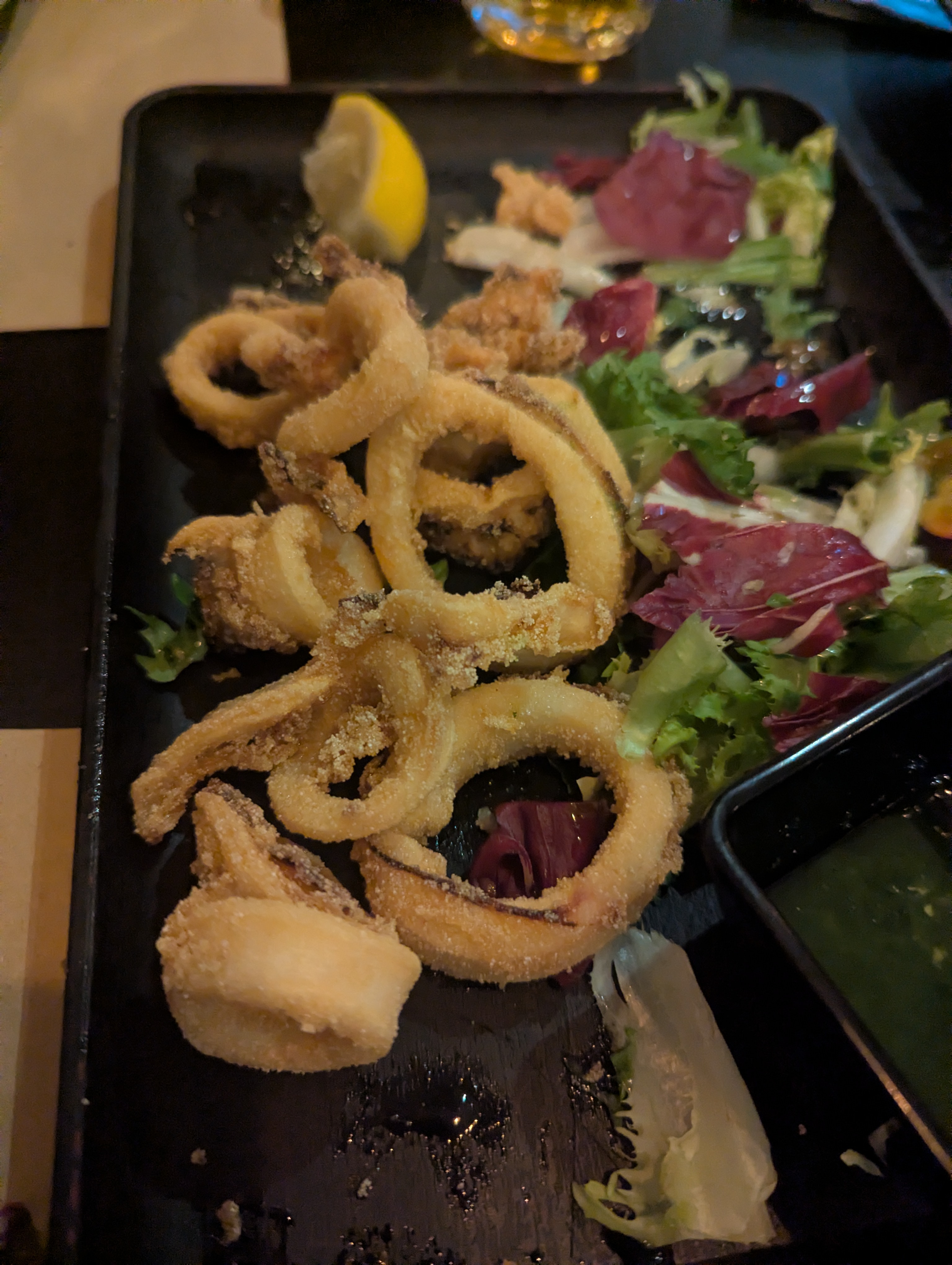
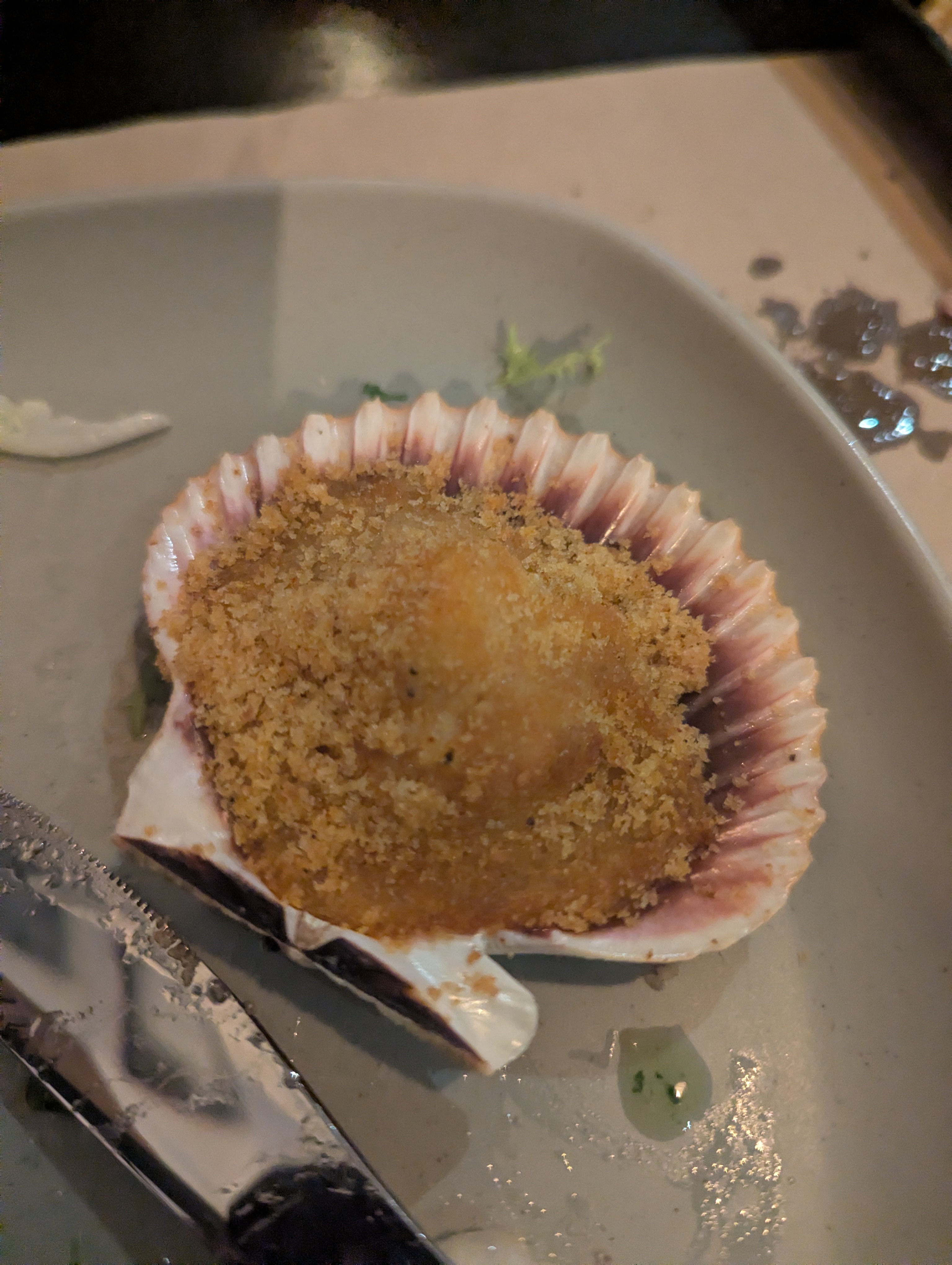
Hunger eventually drove us inland to the Central Market. While the fishmongers had packed up for the day, the surrounding tapas bars were humming. At El Viajero del Merkao, we enjoyed a house white that punched well above its weight class—the perfect introduction to Gaditano hospitality.
Bloody hell we had some good food there, washed down with Cruz Campo (the Spanish stuff, not the beer they make in Manchester).
Day 2: Phoenicians, Romans, and Real Estate Scams
The old town of Cadiz is a dense grid of straight streets that spill unexpectedly into leafy plazas shaded by gargantuan fig trees. Cadiz has had many names—Gadir to the Phoenicians, Gades to the Romans, Qadis to the Moors—but its current face is largely 18th-century Baroque, built on the back of a trade monopoly with the New World.
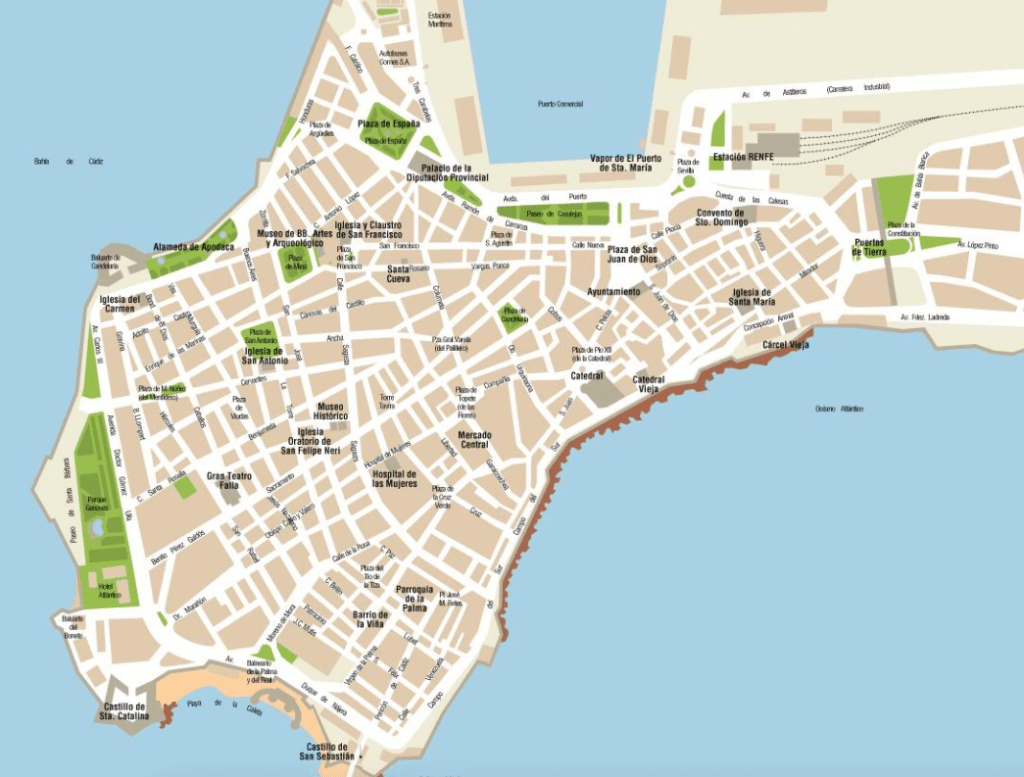
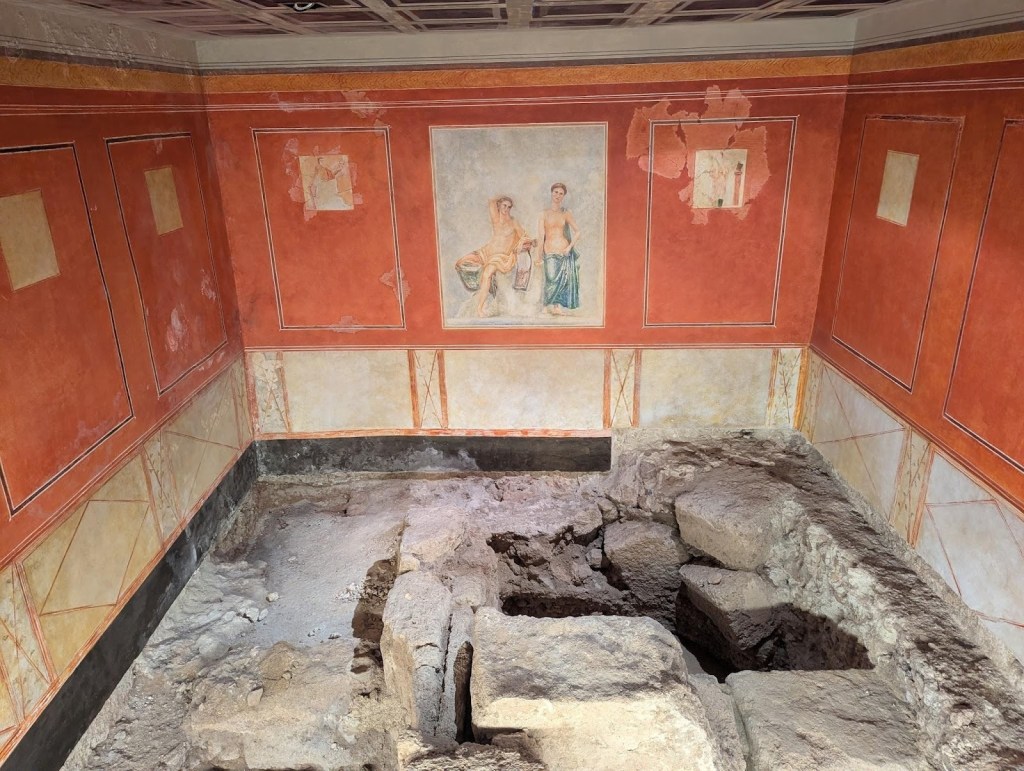
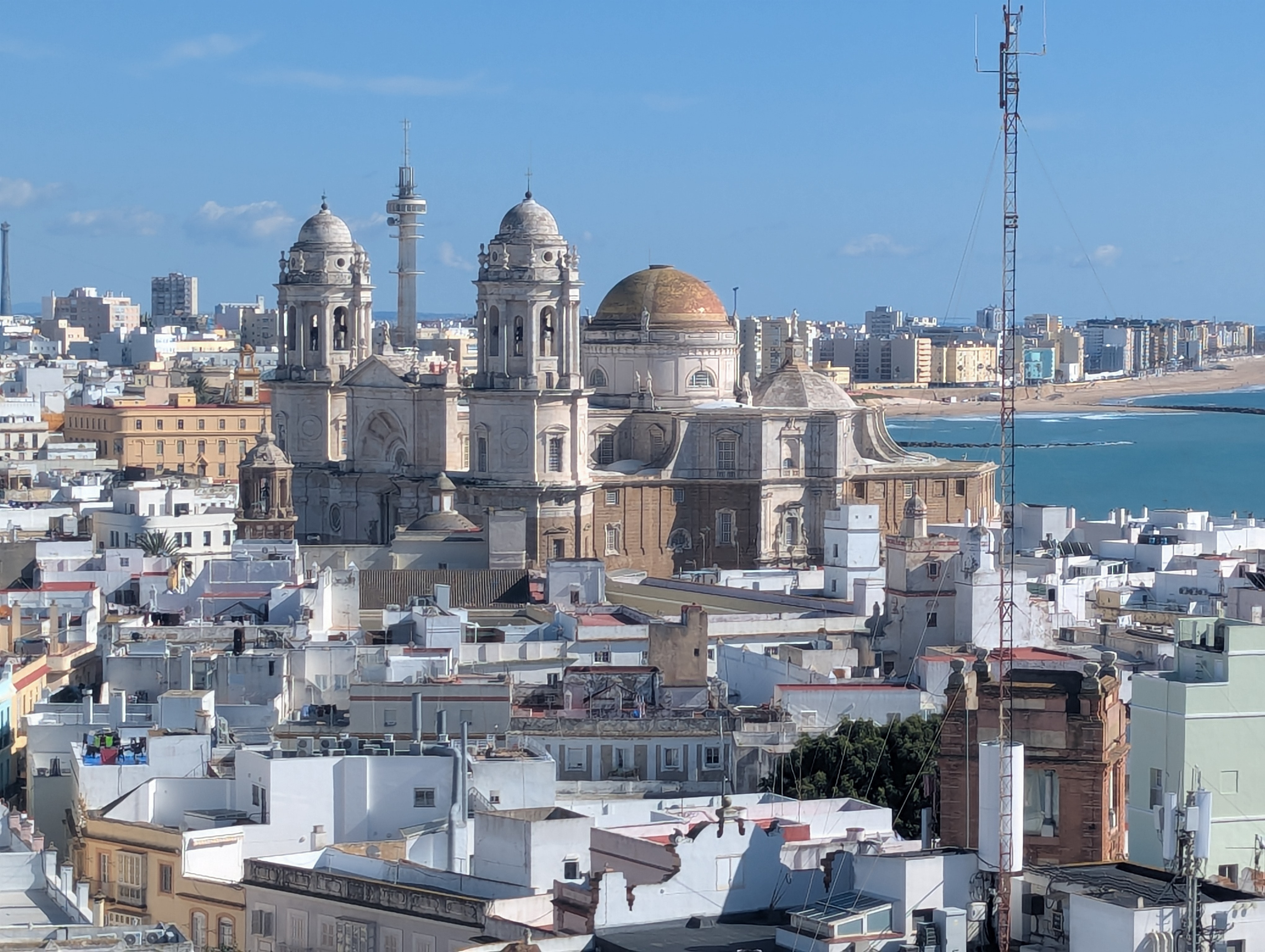
The Cathedral sits with its back to the sea in Populo, the city’s medieval quarter. Nearby, we stumbled upon the Casa del Obispo (House of the Bishop). Unmarked and unassuming, it’s an archaeological goldmine where you can walk over Phoenician and Roman ruins tucked beneath a medieval Bishop’s palace.
Just around the corner lies the Roman Theatre. It’s an impressive site, built by a local Roman tycoon named Balbi. Contemporary historians noted that Balbi took the profits from the theatre and bolted for Rome. 2,000 years later, the verdict remains: Balbi Was A Bastard.

After lunch at La Marquesa de las Huevas (where my deep-fried pork belly was served, for reasons known only to the chef, on a triangular slate), we hit the Torre Tavira. In the 18th century, merchants built these towers to spot their incoming treasure ships. Tavira is the highest, housing a Camera Obscura. Watching a live, periscope-projected image of the city where seagulls suddenly fly across a giant white dish was unexpectedly mesmerizing—a low-tech Google Earth that actually works.
Day 3: From Salty Marshes to Sherry Cathedrals
Our first coffee of the day in a cafe in a cafe opposite the local Palace of Justice watching Spanish police eat breakfast, proves that they definitely don’t eat donuts like Chief Wiggum. The nearby old gate to Cadiz is called Torreón de las Puertas de Tierra, or Tower of the Earth Doors. It’s a massive fortified gate that reminded me of similar gates in Valetta. We took one last walk around the Campo del Sur. This coastal road offers the iconic view of the Cathedral dome against the blue Atlantic—a scene so Cuban that they filmed Die Another Day here, pretending it was Havana.
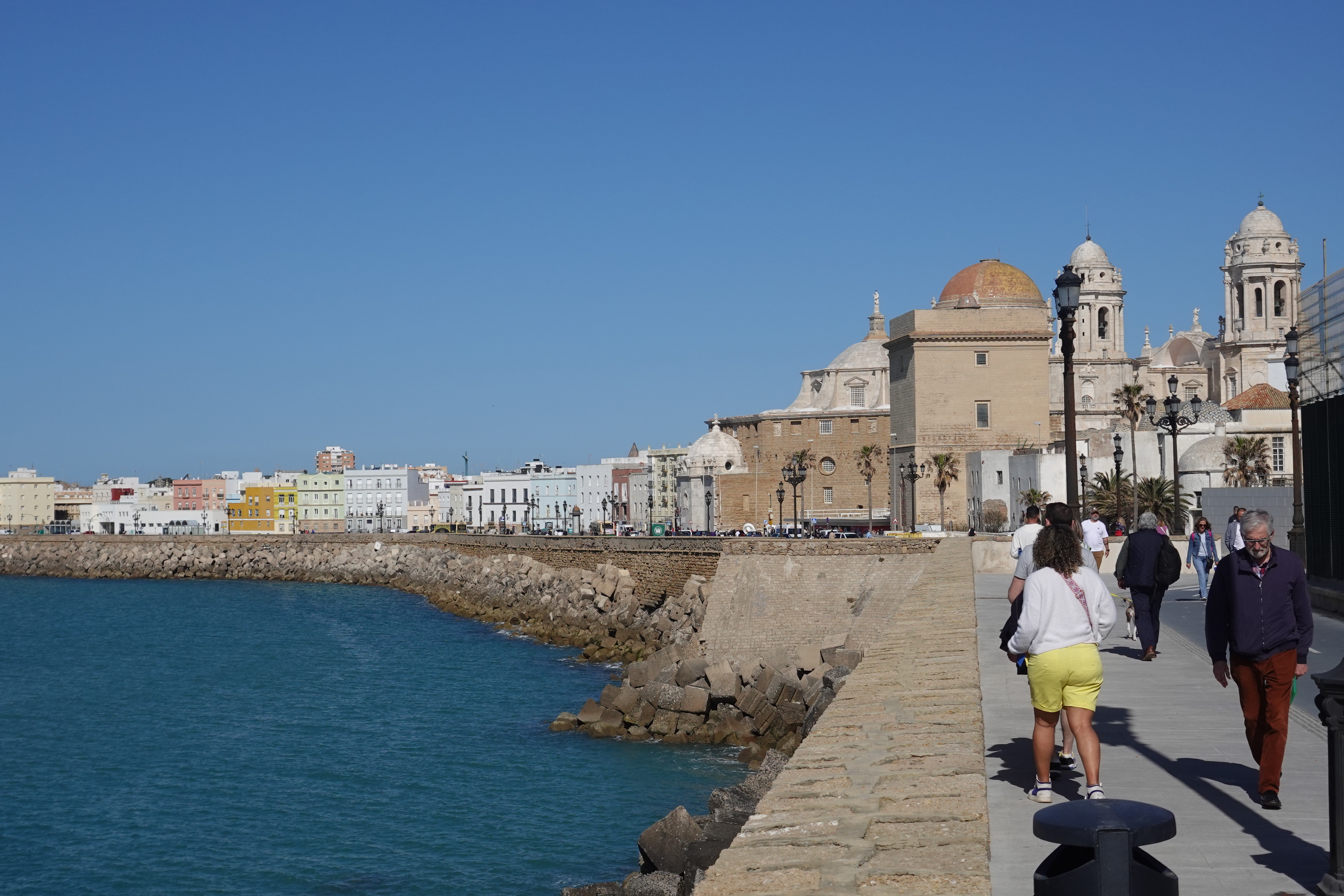
The road goes past the Roman theatre, the back of the cathedral and then reaches Playa de la Caleta, a stunning beach facing the Atlantic. It’s the best place to watch the sunset over the Castillo de San Sebastian, which is a fortification projecting out into the Atlantic.
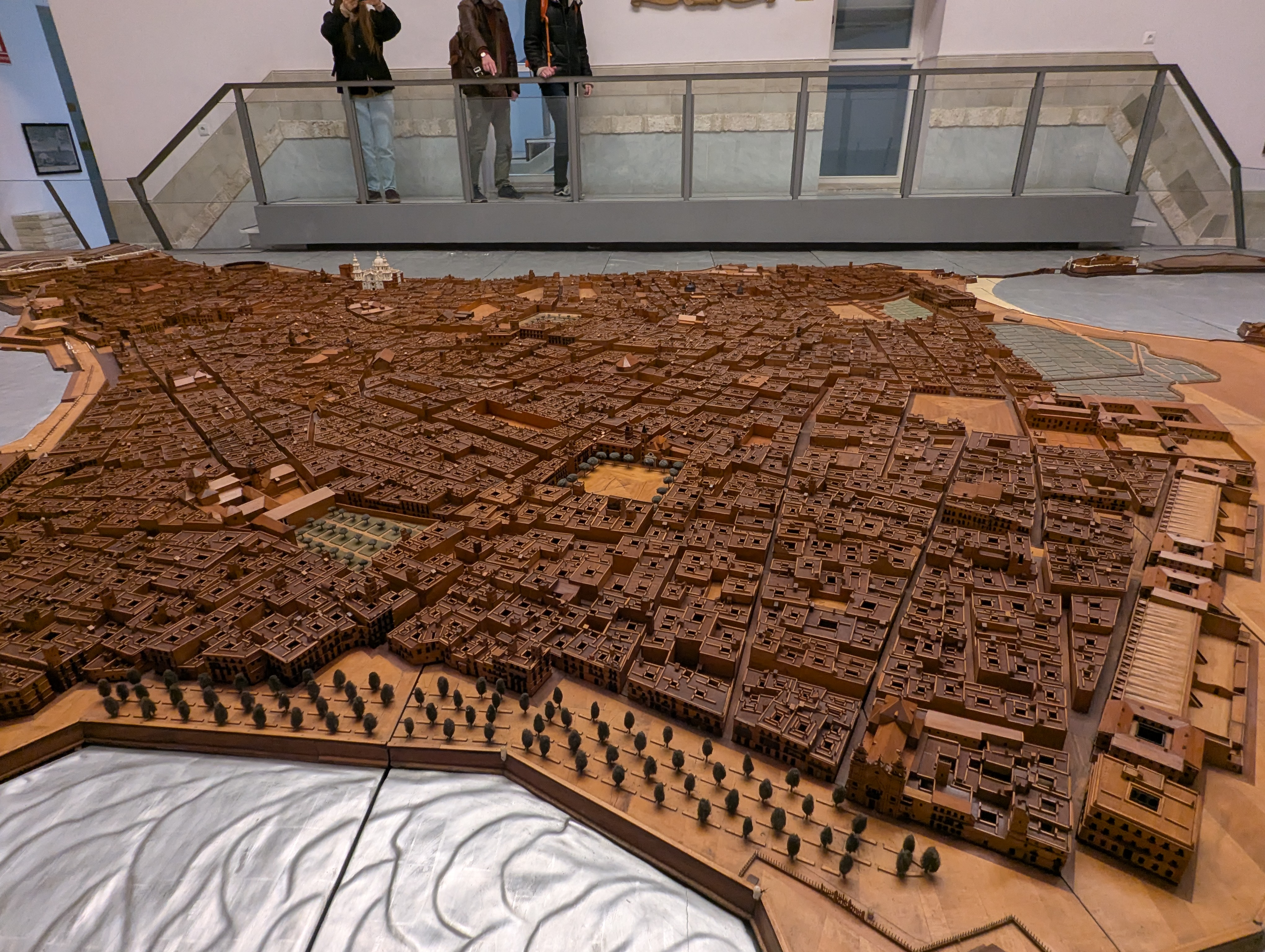
Inside the Museo de Cortes is a scale model of Cadiz made by military engineer Alfonso Jimenéz in 1779. It’s fascinating how little the old city has changed since then and the Torre Tavira is clearly on a hill.
At one end of Caleta beach is the Castille de Santa Katarina, a fort that protected the Atlantic side of the city from those rascally English. The fort contains a museum dedicated to people killed in the Great Explosion of 1947, when an ammunition store blew up and tragically devastated a large area of the city.
By afternoon, the train carried us through the salinas (salt marshes) to Jerez de la Frontera. The “Frontera” refers to its medieval position on the boundary between Christian and Moorish Spain, but today, the only thing Jerez guards is its Sherry.
Our AirBnB was close to the old city centre, and the sherry bodegas were a short stagger away.
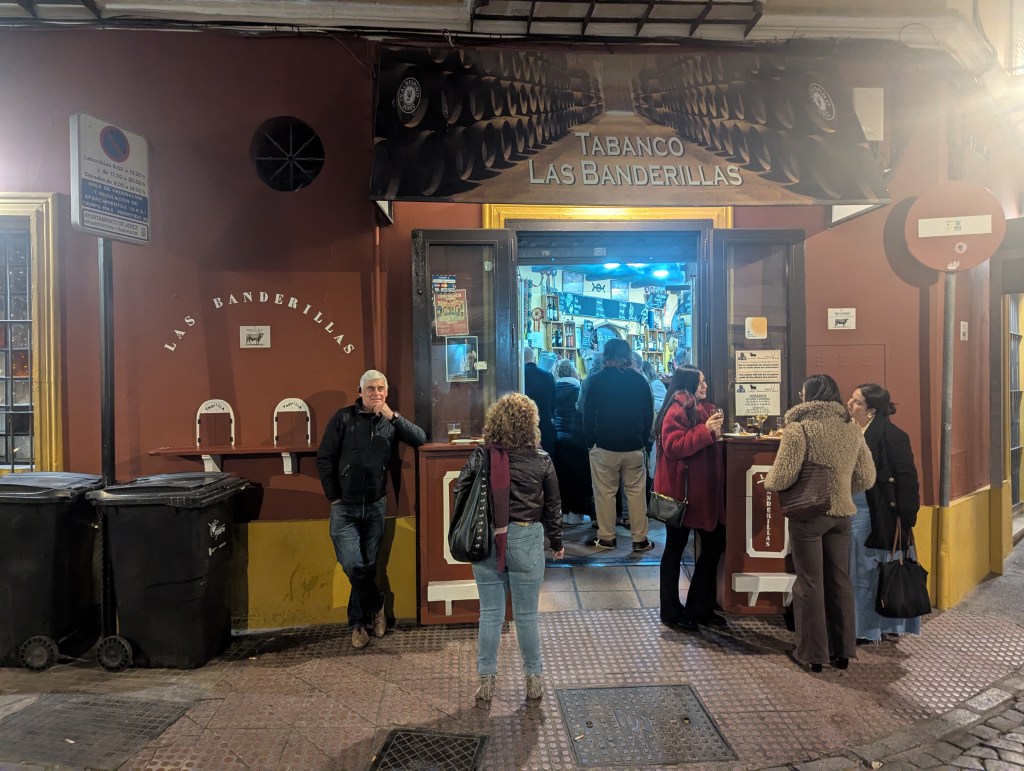
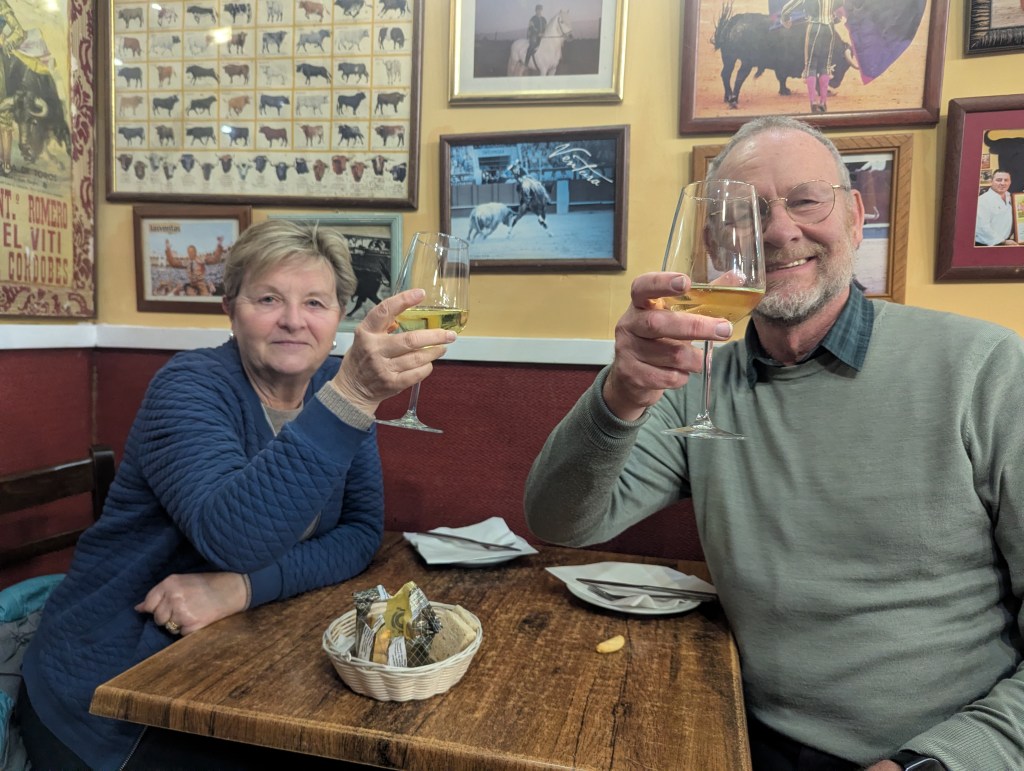
Our host recommended Las Banderillas, a tapas restaurant that operates with the frantic efficiency of an F1 pit crew. We inhaled ox tail, pork cheeks, and blue cheese croquettes. No photos were taken; the food didn’t last long enough to pose.
Day 4: Sherry Baby
The centre of Jerez is pleasingly compact, with a Gothic cathedral close to the Alcazar (castle). It was founded by the Almohads Arabs in the 12th century, and then partly rebuilt by the Christian conquerors. The castle has huge walls, originally made in the Moorish style from rammed earth mixed with lime, which sets like concrete. The tallest structure is an octagonal tower which gives panoramic views of the city. Within the walls there is a Baroque mansion built in the 17th century that serves as municipal meeting rooms and offices. More interestingly there is an Arab hammam (bath house) and mosque, both in good states of preservation.
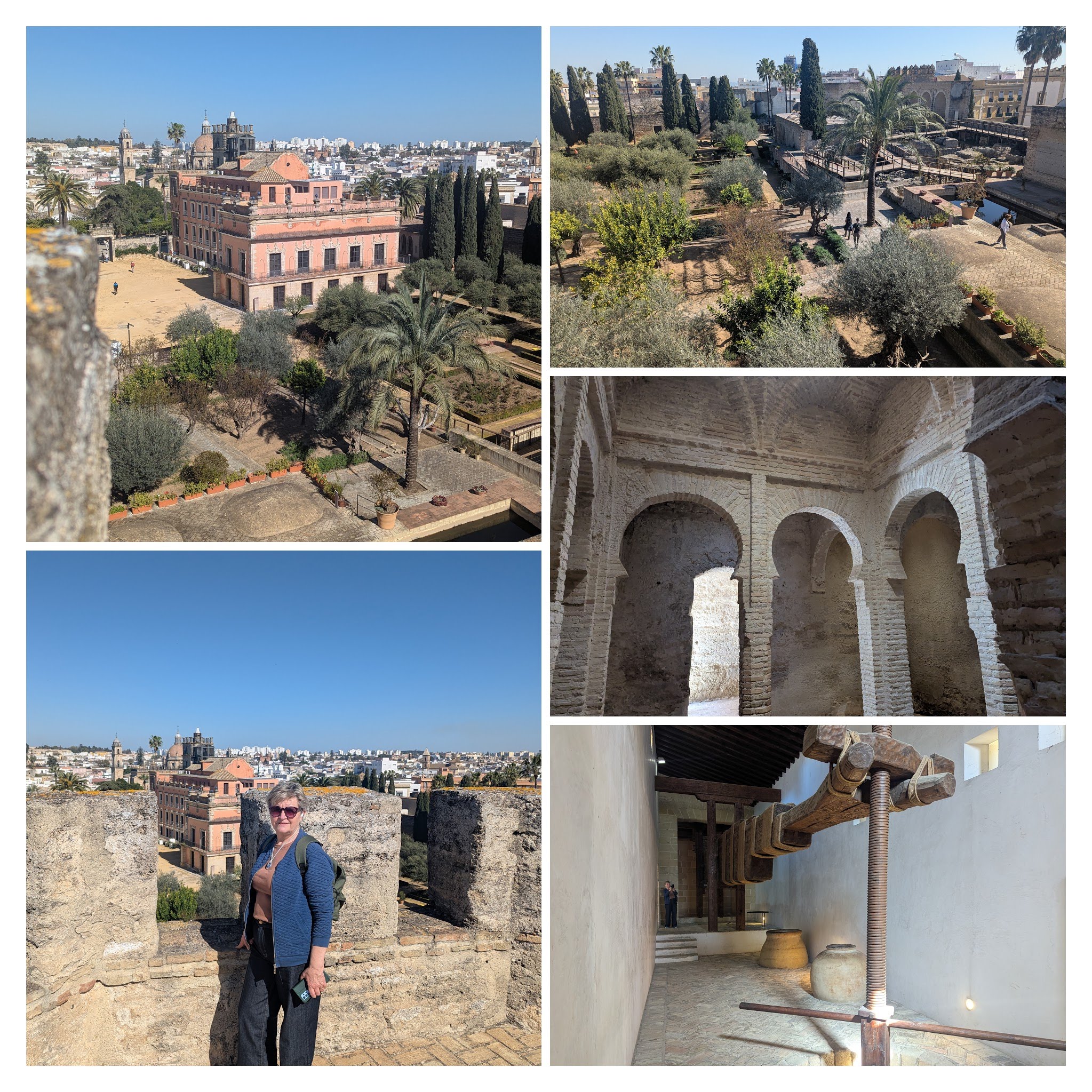
The gardens within the castle walls were bursting with spring flowers, so it’s a great place to spend a couple of hours and enjoy being taken back in time.
In Jerez, visiting a bodega is not a suggestion; it’s the law. We headed to Gonzalez Byass, a sprawling industrial “city within a city.” We boarded a road train (the kind usually reserved for seaside resorts) to tour the vast cellars.
The company owns thousands of hectares of vineyards in the “sherry triangle” which include three Andalucian towns, Jerez, El Puerto de Santa Maria and Sanlúcar de Barrameda.The grapes are grown and pressed in the vineyards, and then stored and blended in the bodega (wine cellar) in Jerez.
The biggest bodega stores 80,000 butts (wine barrels) of sherry over several floors. It is a huge and complex operation which produces a range of different sherrys, ranging from pale dry Fino to sweet dark Cream. Our guide explained how the barrels are only partly filled to allow for oxidation, which is all part of the maturation process.
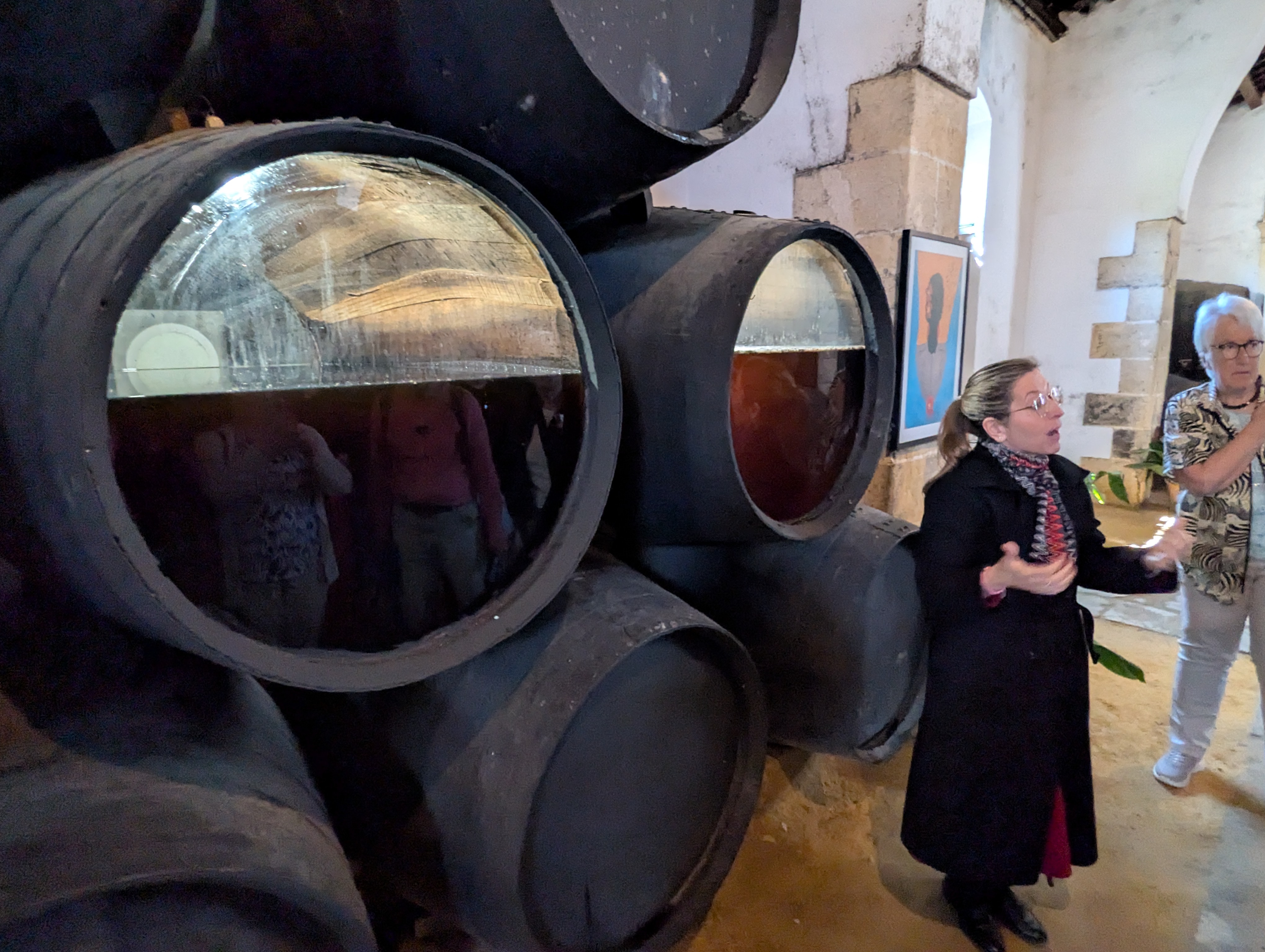
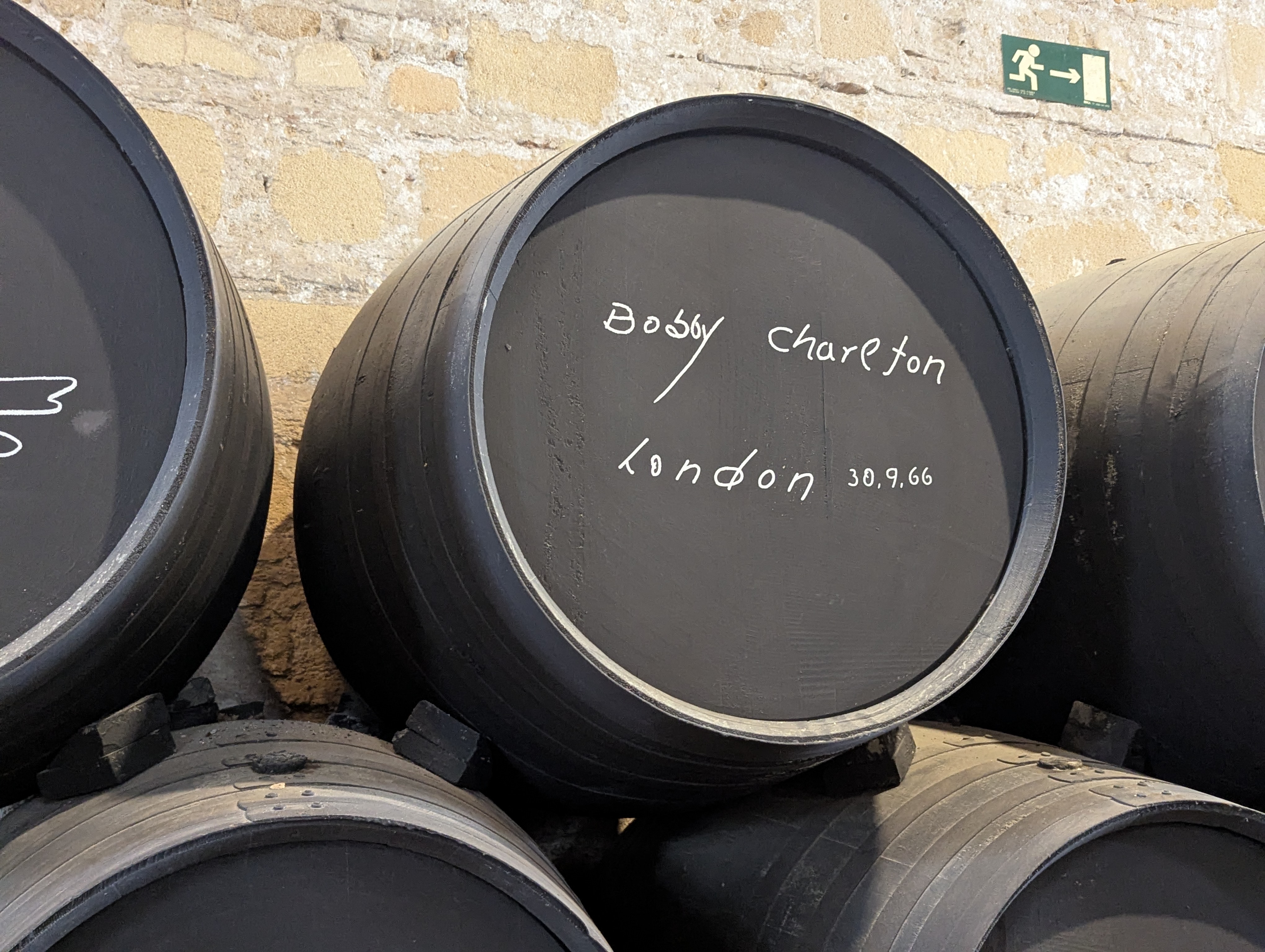
We visited huge sheds where the butts are stored in layers of different ages so that older sherry is blended with newer wines. They have had many famous visitors over the years, who sign the ends of the barrels including Bobby Moore, Ayrton Senna and Roger Moore.
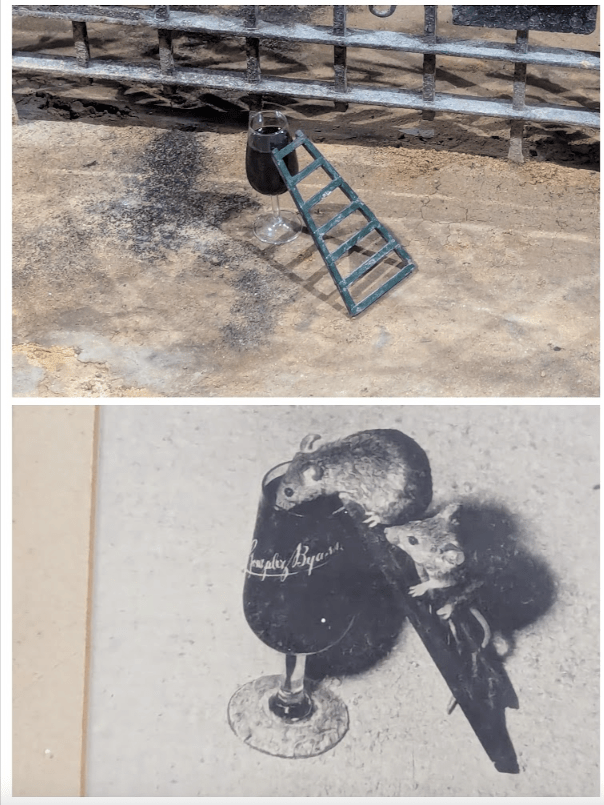
The highlight? A tiny ladder leaning against a glass of sherry on the floor. It was built so the local mice could have a tipple—a story we all smiled at politely until the guide pointed to a photo on the wall of a mouse actually halfway up the ladder. Apparently, the rodents here have excellent palates.
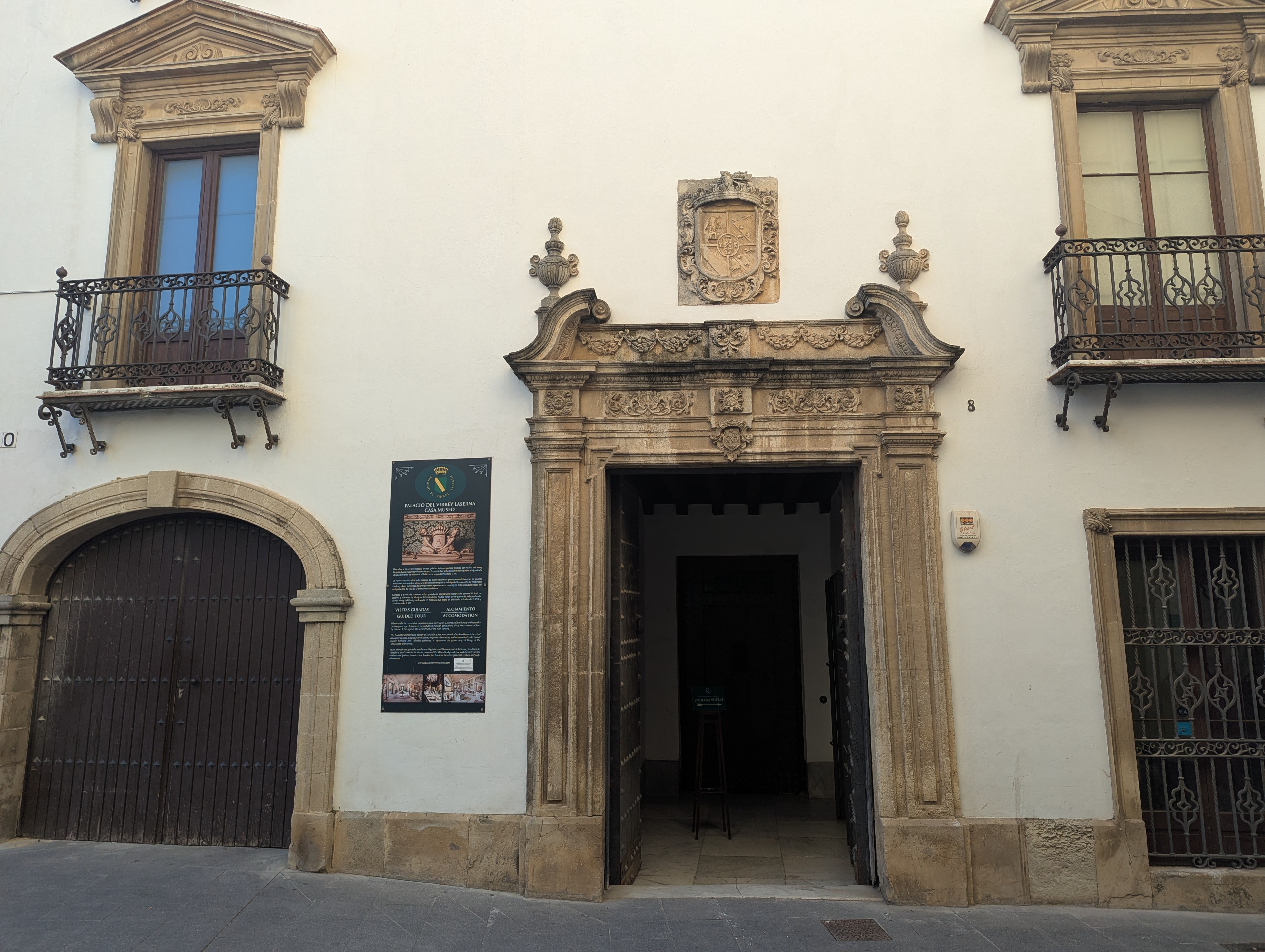
The Palacio El Virry Laserna is a small palace that has been in the same family since the conquest of Jerez in the second half of the 13th century, so that’s over 700 years! The owner (and guide) is a descendant of José de la Serna e Hinojosa, 1st Count of the Andes who was the last Spanish Viceroy of South America. The house is decorated with classic furniture and old paintings, like a Spanish National Trust site.
The streets in the old town are quiet and tree-lined, but have no pavements! So you have to listen for cars on the cobbles and stand close to the wall as they rumble past, but its all part of the charm
Day 5: Seville Done Badly
Then came Seville. Or, as I now refer to it: The Clusterfuck
The honeymoon ended abruptly. At our first cafe, the waiters ignored us with a level of dedication that felt personal. The Cathedral, while gargantuan, felt like a repetitive gallery of “Men in Hats and Saints in Pain.” We shuffled up the 34 ramps of the Giralda tower with hundreds of other tourists only to find the view obscured by bars and wire. The cathedral has a huge tomb of Christopher Columbus, the genocidal explorer who “discovered” America and then allowed the Spanish to pillage it for the next 300 years.
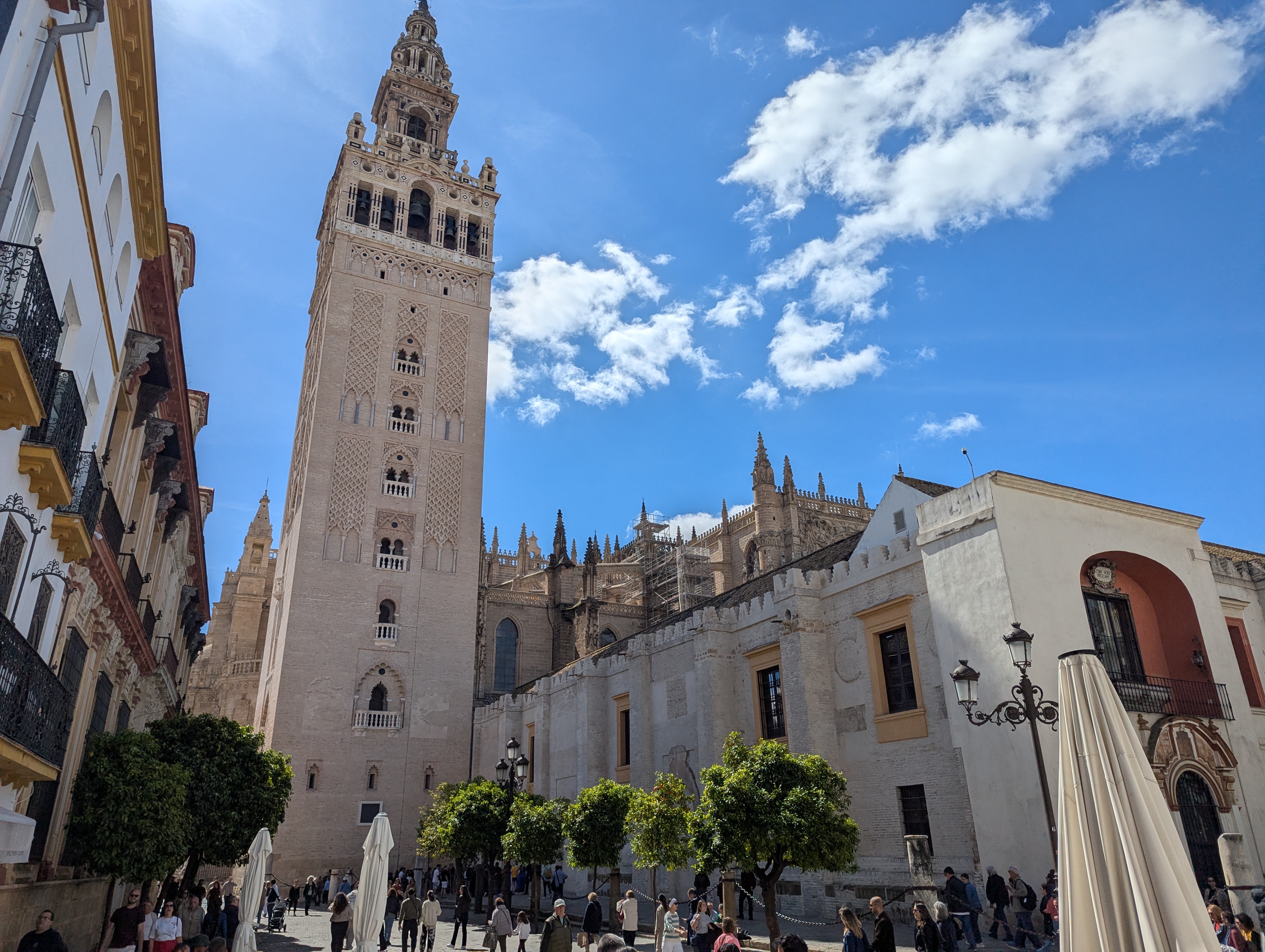
Seville was packed—less “Andalusian charm” and more “Oxford Street on a Saturday.” After a lunch of rubbery squid and a visit to a bar called Lola por Dios on Alameda de Hercules (which I wouldn’t recommend to my worst enemy), I began to wonder if I’d offended a local deity. Even the nachos at our next stop were cold, and the wine at the final bar by Las Setas (the Parasols) was arguably a crime against viticulture.
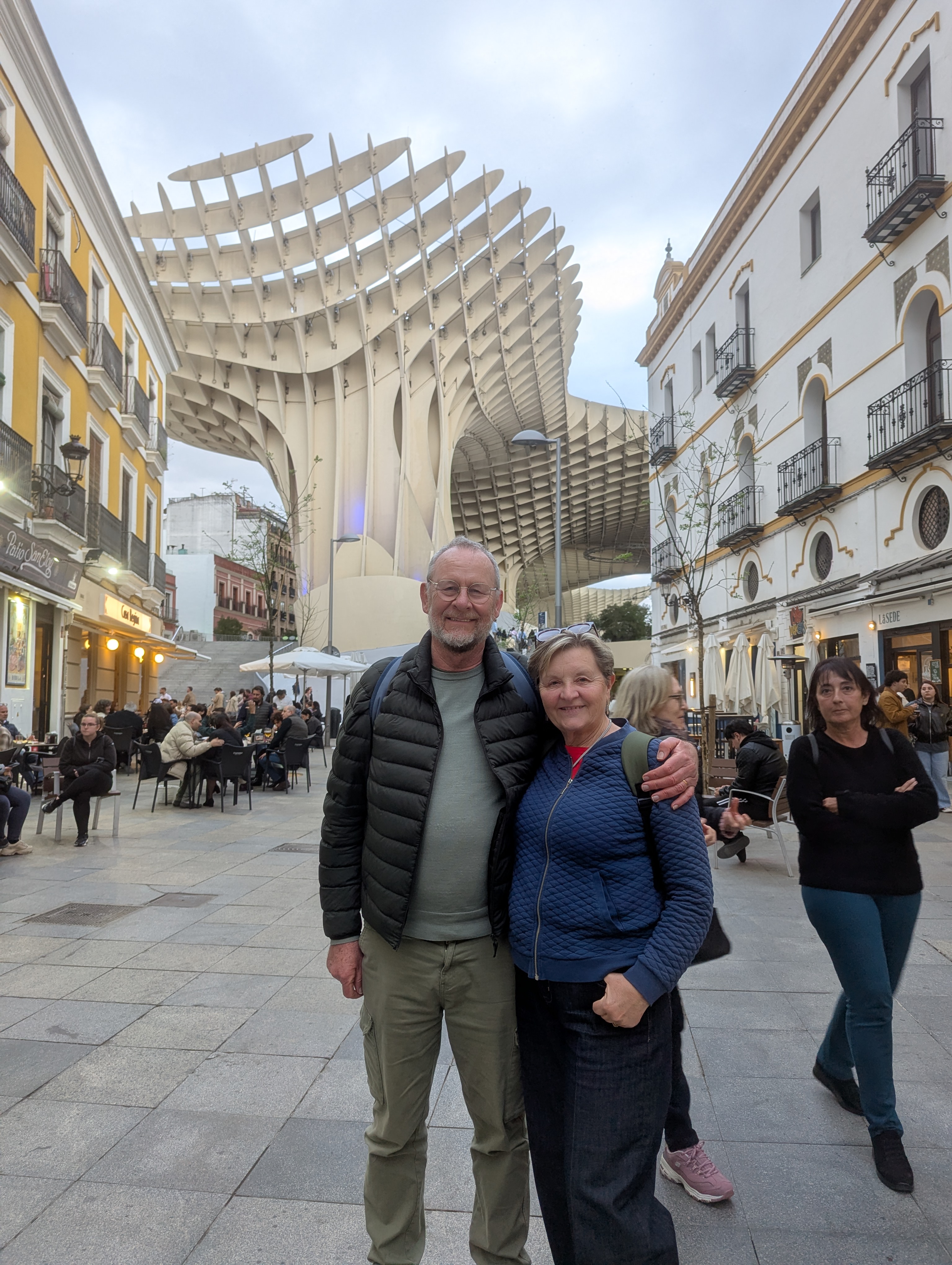
Day 6: Redemption in the Alcazar
Thankfully, Seville showed us its better face to us to win us back. The Archivo de Indies is where all the colonial records of Imperial Spain are held. It is a gorgeous building paid for with Peruvian silver and Mexican gold
Crossing the Guadalquivir river, we enjoyed a peaceful Sunday morning in the Triana district—and found excellent Iberico ham on toast at Cafe de Nonina . It was Sunday morning and the streets were packed with smartly dress Sevillanos on their way to church.
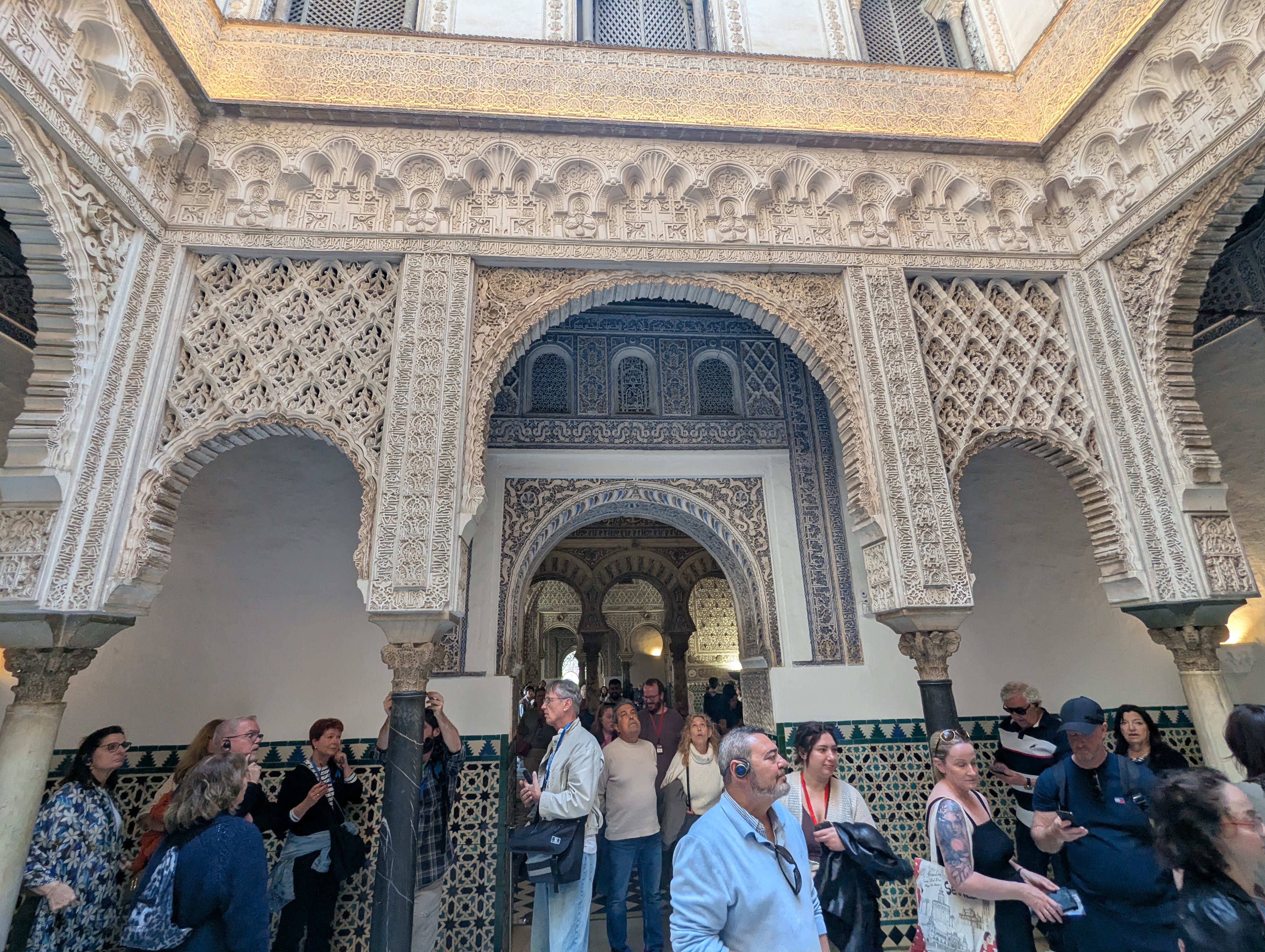
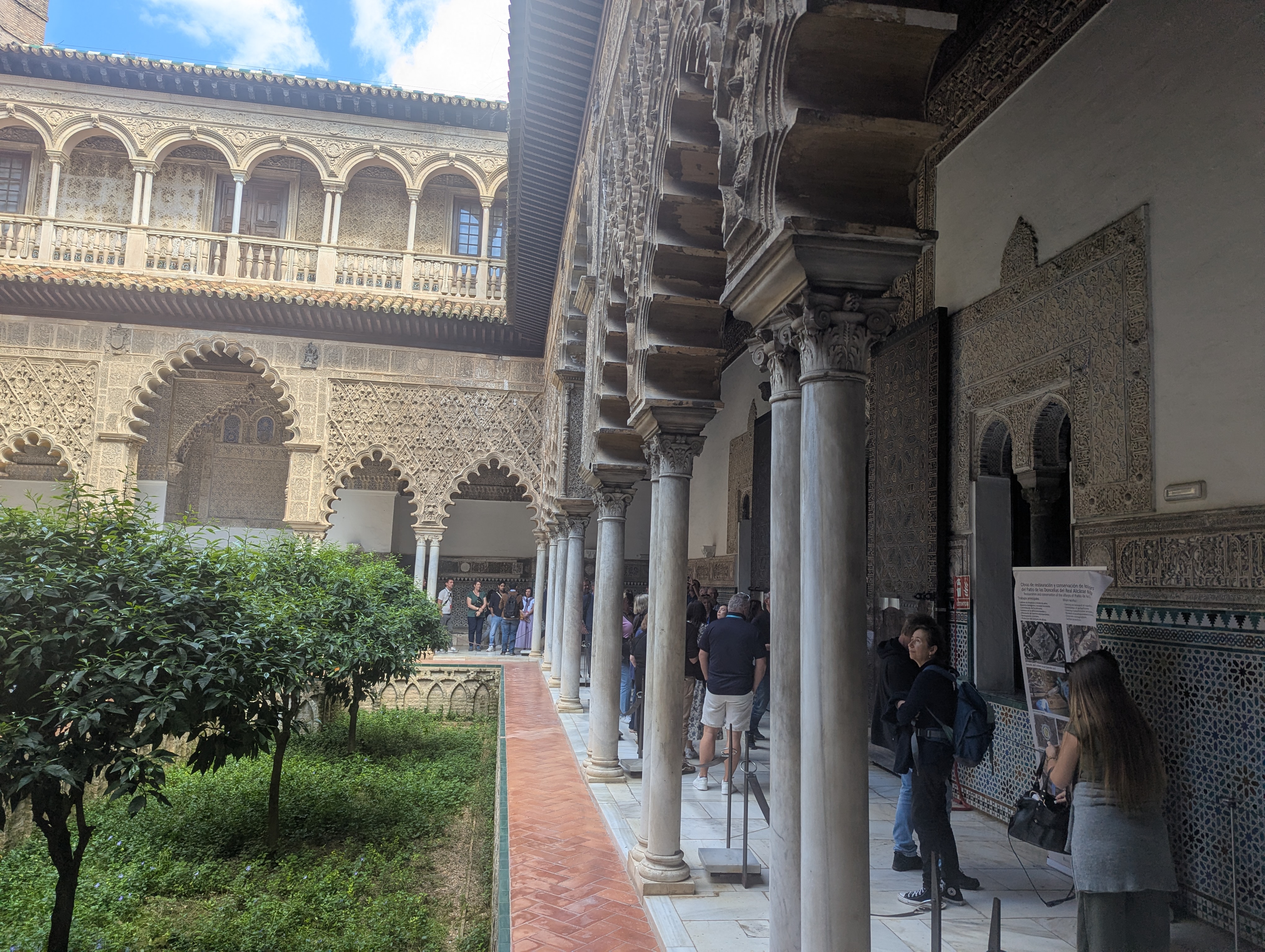
The Real Alcazar is the crown jewel of Seville. It is a Mudejar masterpiece where Islamic artistry was taken by Christian kings to create a fantastical style unique to Andalusia. The stone tracery and polychromic tiles are easily the rivals of the Alhambra. The gardens are a lush maze of box hedges and palms, populated by noisy green parakeets. We actually got lost in the greenery and had to be rescued by a very friendly, very large security guard.
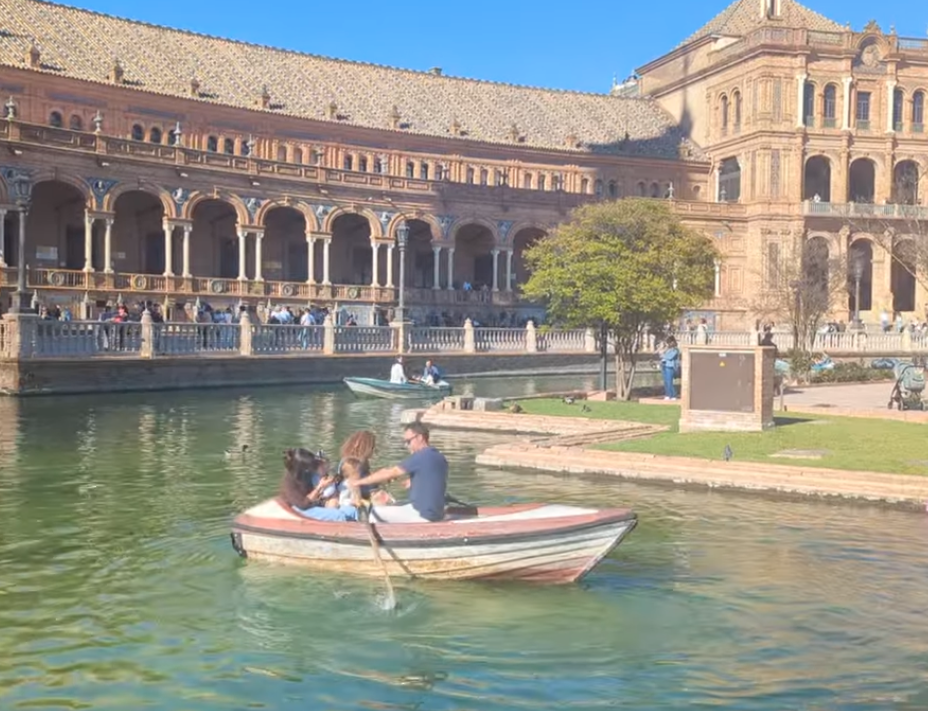
Our final stop was the Plaza de España, a 1928 “wedding cake” of a building. It’s spectacular, over-the-top, and slightly Disney-esque, with families rowing boats in a moat under the hot sun. It was the perfect, slightly surreal ending to a trip of high highs, ancient depths, and the occasional cold nacho. It was actually used as a stand-in for the planet Naboo in a Star Wars film.
So, how was our visit?
Andalusia is exceptional, it up their with Tuscany and the Cote d’Azur for me. If I had to pick a favourite it would be Cadiz, because it is very historic, compact and not over run by tourists. Jerez is lovely but you could see it as a day visit from Cadiz. But we might have missed going to Las Banderillas, which was one of our highlights! Saturday in Seville wasn’t great, the city centre was packed with stag and hen parties and the hostelries disappointed. But Sunday was delightful and visiting Triana was a bonus.
The weather in mid March was good, cool in the mornings but warming up nicely in the afternoon. I think I would shrivel up in the summer, and it was great to get away from grey London skies.
You must see Andalusia, and get to Granada and Cordoba as well if you can.

 timharnesstravels