For the last time we got the tram from Jean Jaunes stop to Gare Central and caught the 9.50 2 coach train to Appenweier. There is precisely bugger-all at Appenweier, and we had to wait 50 minutes for the Karlsruhe train, which was 10 minutes late. We sat next to 2 German ladies on there way to see a Tina Turner show in Stuttgart. They assured us that German trains are often late or cancelled, which made me feel better, I think they called it Schadenfreude.
At Karlsruhe we raced to platform 7 and got on the Munich high speed train with 5 minutes to spare. Phew.
Twas a very pleasant journey on the fast train, at one time we were going at 250kph.
high-speed Tintin hair
Munich station had the biggest model railway shop I have ever seen. The prices are eyewatering, the tiny trains are hundreds of euros each. I liked this tiny model of a wedding couple on a Scooter.
At the station in Munich we found the S Bahn platform for Oberschliesenheim where the AirBnB is. But all the trains on line S1 were all cancelled, so we took an alternative route via Dachau.
In Britain we only know Dachau for one reason. Now it is a pleasant suburb with a Memorial Centre.
After arriving at our flat we walked to a Lidl 5 minutes away. It was like a warm embrace from an old friend. I’m sure the prices were half what we spent in Paris, especially the Primitivo Pugilio for under 3 euros.
I was dead chuffed, and I am now in a state of considerable relaxation.
There is a huge TV, and Guardians of the Galaxy 2 is ready to go, so over and out.
Saw the film, it was a loada tosh. But I am at least 50 years older than the target audience.
Wednesday 13 September
We have a lovely big flat in Oberschleisheim, very modern, cool and spacious. Much better than the hot and cramped places we had in Paris and Strasbourg. Our preference is somewhere with a kitchen so we can cook for ourselves and do some laundry.
It’s also literally 5 minutes from Schleisheim Palace which was built for the Bavarian Royal Family in the 17th Century.
The new palace is vast, and the style is Baroque and similar to Versailles and Hampton Court. There are dozens of huge rooms furnished with tapestries and damask wall coverings. They are hung with hundreds of pictures including masterpieces by Ruebens, Van Dyke and Caravaggio.
But there was hardly anyone there. At times we had vast swathes of palace to ourselves. It cost us 8 euros to get in, compared to Blenheim Palace which cost £30 and is much smaller.
We needed a coffee after all that culture, and found a cafe outside. There were more people there than inside the palace, and they were all drinking large mugs of beer. They were eating large plates of food, and it wasn’t a lightly dressed salad. Very different for yer average National Trust Tearoom.
I was green with envy, but I knew that if I ate and drank like that I would be catatonic for the rest of the day.
In the afternoon we visited the nearby Schleisheim aircraft museum, a collection of old planes in 3 big hangers, much more my kinda thing.
I wanted to steal this one for the RAF, but I had no wings.
There were 2 more museums we visited because we had bought combined ticket. The Altes Schloss (old castle) was full of models of nativity scenes, dozens and dozens of them.
A nuns delight, but really boring.
Lustheim Schloss was all porcelain, interesting for 10 minutes and totally deserted. I didn’t take any pictures so imagine a nice plate with flowers on it.
There was a huge thunderstorm when we walked back to the flat and we got soaked. But it made a change from being roasted.
Thursday 14 September
We took the S1 train into the Central station and then walked to Marienplaz, the main square of the city. It is dominated by the Neuesrathaus, the gothic town hall. Close by is the twin towered Frauenkirche Cathedral, which is quite plain and undecorated compared to others we have seen. I’ve seen a lot of cathedrals (I have a list if you are interested), and they do get a bit samey.
Munich is gearing up for the Octoberfest which starts on Saturday, Europe’s biggest piss up. The shops have lots of Bavarian costumes, which don’t come cheap. A pair of lederhosen start at 200 euros and can go up to 1000 euros.
Suits you sir
Close to the square is Viktualenmakt, which is a food market a bit like Borough Market, but with many more pubs. We went to a restaurant called Bratwurstherzl for lunch, I had Schnitzel and a pint of helles lager very nice. Better than the bacon and cabbage on Strasbourg.
After lunch we visited the place we should have actually gone for lunch, the Hofbrauhaus. It’s a giant beer keller that can hold over a thousand people. Naturally they had a umpah band, and outside was a splendid dray with 4 horses.
In Odeonspaltz there were dozens of armed policemen. Julie saw a miniature soldier and asked him “wassup”. Turns out there was a military passing out parade and the Prime Minister of Bavaria was there. The cops were there to guard the soldiers. There were tall soldiers as well.
FUN FACTS
Bavaria (a state of Germany) has a population of 13 million and Austria (an entire country) has a population of 8 million.
The biggest park in Munich is the Englishen Garten, and running through it is a very fast running river called the Eisbach. It is a very popular surfing spot. Just close to a bridge is a standing wave which surfers take turns to ride.
It is great fun to watch and some of the surfers are really good. They spent more time upright than anyone I have seen surfing on the sea, and then got another go at it 10 minutes later. The river runs remarkably quickly, i can’t think of anywhere in London where it would be possible. You are lucky to get good game of Pooh Sticks on the River Crane.
Friday 15 October
There’s probably 3 things that Munich is internationally famous for: the Octoberfest, Bayern Munich and BMW. Europes biggest party starts on Saturday, just as we are leaving, so we will miss that. Football – ask anyone who knows me – is an alien world to me. Some people would say that I’m not interested in cars, so to confound them all, I went to BMW Welt.
Basically it is a big flashy car and motorbike showroom for the Munich monster of automotive engineering. It’s also free to get in, which is nice. They have most of the latest models of BMW, Rolls Royce and Mini cars there to be admired and purchased if you wish. It was interesting to get up close to massive status symbols, including a BMW with bodywork that changes colour. It looked very tacky, but I’m sure the young princes from the Gulf that rev up and down Kings Road would love one.
Lady Penelope’s Roller
I sat on an 1800cc Transcontinental motorbike, and it was very comfortable, as motorbikes go. It was quite good fun to look round for an hour, but the cars didnt really excite me much and wouldn’t look right in a Lidl carpark.
On ma new hog
BNW Welt (world) is next door to the Olympic Park, so we wandered around that. It was built for the 1972 Olympics on a site where all the rubble from the destruction of Munich in the war was built. The rubble was beautifully landscaped with hills and a lake, and still looks great 50 years later. We had lunch in a cafe in the Olympic pool where Mark Spitz won 6 Golds for swimming. My toasted cheese and ham focaccia was over-baked into a cheesy brick, but it was just about edible.
There is a 60 metre tall hill with great views over Munich and the BMW tower and factory. In the past it has been used for winter sports events. It is also made of rubble, and is about the same height as Richmond Hill. It’s a lovely place to sit on a bench and enjoy the views of the park and the BMW complex of buildings.
Some men like football, some like drinking large amounts of beer. My particular weakness is a science museum, and Munich has a bloody good one. The Deutsches Museum sits on an island in the river Isar, and matches the London Science Museum in size. There is a great aircraft and rocket section, I love a good rocket. The other surprisingly interesting department was on bridges and hydrology. It was full of astonishingly good models of bridges underconstruction. I now know how an 18th Century French basket-arch bridge is constructed, and if we ever meet you at a party I can tell you in detail.
My favourite exhibit was the first reinforced concrete building in Germany, which is a dog kennel. How bizarre.
Fortuntely they chucked us out at 5pm, or I would still be there now. I really am that geeky.
Julie and I went our separate ways in the museum because she is fed up with aeroplanes, but happily we were reconciled in the sunshine afterwards and she made me buy her an Aperol Spritz. I had a helles lager because I’m a cheap date.
The neighbours had a party at 2am last night, which kept us awake for hours. The bastards were having a really good time, and I wasnt! So we have been a bit tired and narky today.
It took just 2 hour from Gare L’Est station to Strasbourg, which in on the Rhine on the border with Germany. It has been part of Germany several times, so has a distinctive look and feel compared to Paris.
Our accomodation is a bit out of town, so we left our bags in left luggage and explored the city. The city centre feels spacious and prosperous, lots of it is pedestrianised and has more bikes and trams than cars. The old part of the city is encircled by rivers, and is full of old squares and quaint old buildings that look much more German than French. The River Ill surrounds the Grand Ile, which is a bit confusing.
The cathedral is quite spectacular and the tower in 142m, 466 feet tall. it was the tallest building in the world until 1874. But in the spirit of completeness I have to say that Lincoln Cathedral was 160m (525 ft) until 1548 when the spire fell down. So in my opinion Lincoln was the champion, but Strasbourg scored in extra time.
The city centre is very pretty and very busy with tourists, I think that Rhine cruises stops there, so lots of senior citizens all enjoy the city at the same time.
In the afternoon it was very hot (again) so we scuttled into a museum like crabs caught in the sunshine. The Rohan Museum is a fine building built for the Prince Bishops of Strasbourg, four of whom were from the Rohan family. The archeological museum in the pleasingly cool basement is worthy, full of Roman remains, but has all the fun of a February Sunday in the 1960’s i.e. a bit dull.
So we got our bags and hopped on the D line tram to our suburban i.e. cheaper flat. It’s fine, and has an Auchan supermarket nearby.
Sorry, I’m to hot and tired to write entertainingly this evening.
Sunday 10 September
Strasbourg is exceptionally pretty, with many half timbered buildings close to rivers and quaint squares lined with restaurants. We followed a recommended route on a map Julie got from the tourist information office near the cathedral. It went to all the most picturesque sites in the Grand Isle.
The district called Petite France has several bridges over the Ill river (it is ill, not 111 like Napoleon III). There river is fast moving so there are former water mills and a lock to let the Batobus tour boats get through.
There are 3 tall brick towers which were part of the fortications, and a Covered Bridge that no longer has a cover (it’s complicated).
The Barrage Vaudan is a dam with sluices in it which would allow defenders of Strasbourg to flood part of the city if it got invaded. It sounds bonkers to me, and clearly didn’t stop the Germans 3 times in 1870, 1914 and 1940.
We had a huge burger in the Abattoir bar, not the best name for an eating place, but the beef was very fresh.
After lunch we had a quick walk around Neustadt, the new district built by the Germans on grand imperial style after they took Stratsbourg in 1870.
Eet ees ver ver ot, as they say in French. So I am tapping this out with one finger in the Parc d’Orangerie, which is very beautiful. The gardens are in full bloom and the lawns look perfectly verdant.
Strasbourg has a fantastic public transport system of modern trams and buses and many cycle path. I got a 24 hour pass for trans and buses for 3.70 euros, which is cheap and convenient.
Monday 11 September
So what do you do when you have seen Strasbourg? You go to Colmar because it’s only 30 minutes away on the train and it’s like Strasbourg but condensed.
Also since we have our Interrail passes it’s very easy to take another journey. Basically I find the journey on the Interrail app, tap a digital switch and hey presto a digital ticket appears that I can show the train guard. Simples.
Colmar looks like a film set, the old town is full of colourful half timbered buildings with a picture perfect river running through it.
Versions of it have inspired villages in the films Beauty and the Beast and Howls Moving Castle, and many fairy tale books.
This is called the Pfister House. Honestly.
Consequently it is busy with visitors and those little tourist road trains that transport the less able and less slender around town.
It’s much smaller than Stratsbourg, so in 3 hours we had seen the town and had lunch. I thought I would try Choucroute for lunch, which I supposed to be a local speciality. It is a heap of sauerkraut with one potato, topped with 6 types of processed pork. I ate it all, I’m pleased I ate it, but I don’t want to eat it again.
Hot pig and salty cabbage mmmmm
Returning to Strasbourg we went to the Museum of Alsace which is housed in old houses by the River Ill. It was somewhere to go in the shade, and is a collection of rooms with old furniture and domestic furnishings in it. It was moderately interesting, but not exactly fun.
Go there if it’s raining, baking hot or if you love old French stoves.
We have been self catering quite a lot in our rented flats, it’s too expensive to eat out all the time. But I mustn’t moan, I’m having a wonderful time!
Alsace is a useful transition to Germany, and tomorrow we are going the whole hog (more bacon) and travelling to Munich.
So farewell lovely Siena! On Saturday morning it was yet another epic trolley bag drag about 30 minutes to the station, and then 10 more minutes just to get down the escalators. The 9.18 train to Empoli, so we got on at about 9, and it was half full already. More and more people got on with lots of luggage, and all the seats rapidly filled and then there was barely standing room left. The train slowed down several times, and then stopped a few miles from Empoli. There was vehicle damage at the level crossing and no trains could move. In the end we were an hour late, and there was no toilet!
Arriving at Empoli was an enormous relief! Then we got another train to Pisa, and a third one to Genoa. The last train went past Carrera where I could see the vast marble quarries, and the Cinque Terre, where we saw glimpses of the beaches between tunnels. I know we should have stopped there, but it’s expensive and Genoa has much more choice of accommodation.
Our flat is pleasingly close to Brignole station, so we were soon settled in an enormous 19th century apartment furnished in Ikea chic. It has a washing machine, which is brilliant for our smalls, and a freezer with ice for our drinks! It overlooks a busy street, and we can hear the trains going by, it reminds me of home.
Our first trip into Genoa was to find the Tourist Information Office. We do this in every city we visit to get hold of free maps and guides to the city, and the people are usually very helpful and speak good English. But to get to the Tourist Office we followed Google Maps which led us through the old town with very narrow quaint streets with tall buildings on either side.
Hang on, what’s that lady in a short skirt doing on the corner? Oh dear there are more ladies in tight clothing, actually there are dozens of them. Those blokes standing in doorways look very dodgy as well.
We won’t be taking that route in the future.
Sticking to the main streets we found our way to the seafront and the Porto Antico, the old harbour. Genoa was one of the Maritime Republics, and very rich from the 13th to the 18th centuries. The old harbour is blighted by modern edifices designed to make an impact in the 1990’s, but IMHO have blighted the area today. There’s a panoramic lift, which is quite bizarre, and the aquarium which is just fugly. It was Renzo Piano who designed the aquarium, he must have been having an off day.
But there was a restaurant on the harbourside selling burger and chips, and it was really really good, a taste of Good Old Ingerland.
Sunday 1 October
It was time to put our newly acquired maps to good use, so we followed a walking tour that promised us the highlights. Genoa is very different from Siena and Verona. The oldest part is next to the harbour with very tall houses (8 or 9 stories) and narrow streets. Beyond those there are the 16th to 18th palazzos where the richest merchants lived, and the the 19th and 20th century buildings.
Our first stop was Piazza Ferrari, a big square with a theatre and statue of Garibaldi on a horse. On the way home we walked through again and saw David Harewood having a drink on his own, he’s a very cool man.
Genoa has a beautiful Doges Palace, it’s not just Venice that had a Doge. There was an antique market going on inside, but my bag scarcely has enough spare room for a fridge magnet, so I won’t be bringing any vases home.
There were several churches on the route, with flamboyant baroque interiors clad in marble and gold. The rich in the days of old didn’t have cars or superyachts, so they spent their money on palaces and getting a place in heaven by funding churches.
Our route took us back to Porto Antico, which was packed with tourists, and we soon saw the reason why. There were 2 gigantic cruise liners moored up across the harbour. One of them, the MSC World Europe can carry 5,400 passengers, they must buy a helluva lot of pizzas!
Alongside the harbour, there were superyachts tied up, one of them called DAR cost $175m to build and costs $17m a year to operate. That’s just stupid big willy waving.
We ate lunch by the harbour, Julie had a deep fried calzone pizza. It was a bit strange, and probably not as good as a proper pizza.
In the afternoon we continued our walk to the Palazzo Real, which belonged to various aristocratic families and then the Italian Royal family. I’ve seen so many palaces I have got quite blase about them, I expect King Charles feels just the same. But it was nice and cool, and best of all, free.
This little fella is Crapula
Our last stop was the Funicolare Zecca Righi, which goes up the hill behind Genoa to a height of 279 metres. Its 1.5 km long and there are 7 stops on it, like a tram line up the hill. There is a forest park at the top, and a road along the old outer wall of Genoa which is dotted with forts. Of course there were fantastic views over Genoa city and the harbour. We could see the football stadium where Genoa were playing Udinese (2-2) , and we could hear the crowd cheering from the top of the hill.
Genoa is a much more interesting city than I knew it was. It has a fascinating history, but is not a “living museum” like Siena or Verona. It definitely has a rough edge, more like Liverpool than Bath.
Monday 2 October
I was woken up by a strange noise last night from next door, a woman whining loudly. I think the neighbours might have been..yer know. So I stuck my head under the sheet, focussed on the history of Genoese fortifications, and bored myself back to sleep.
Walls of Genoa
Genoa boasts of having the biggest aquarium in the Mediterranean, so we went to see it. I have seen a few, and it was quite good, but not the biggest or best. It was very popular though, and the children loved the pool where they could touch Rays. They feel like sandpaper by the way. I found out that tropical fish and manatees both like lettuce to eat, and swordfish appear to sleep at the bottom of tanks.
A sawfish having 40 winks
The aquarium.was designed by esteemed architect Renzo Piano, but it was not one of his finest works.
We had lunch at a stand up bar underneath a road. It was cheap and sustaining, and a bottle of Moretti was 1.5 Euros, result!
A YouTuber has recommended a walk to Bocadasse called the Corso Italia. The first part was down a busy road which was a bit grim.But it turned into a picturesque coastal walk past an excellent gelateria where we sat down in the shade for a cornet.
Bocadasse is a tiny former fishing village with a beach about 30 metres wide. It looks like one of those tiny Cornish villages, but instead of a pub selling Proper Job it has a bar selling Aperol Spritz. So we got one and it was the perfect drink for the situation.
We CBA to walk back to our flat, so bought bus tickets for the 31 from a tabacchi by the bus stop. Unfortunately we stood on the wrong side of the road and got the bus in the wrong direction, DOH!
We went for dinner at a restaurant about 10 minutes walk from the flat, and had seafood risotto and yet another Spritz. Living the high life in Italy.
Tuesday 3 October
This is our 4 week anniversary, the longest holiday we have had since Sri Lanka in 2017. Another recommendation I got from YouTube was Nervi, which is only 20 minutes away from Brignole station.
It was a great decision to go there. It’s a small fishing harbour within greater Genoa, but feels a hundred miles away. After watching a fisherman load his nets from a tub on the quay into his boat, we went for coffee on a terrace overlooking the sea.Just bloody lovely.
At the bottom of the cliff was a little stony beach and clear blue sea. I found a good spot on the beach and enjoyed my first swim of my holiday. It wasn’t exactly a swim, more of a bob around in the water and a few duck dives.
We ate in a little cafe within a supermarket, and it sold various types of focaccia, which is a delicacy in Genoa. I have some that was like Margarita pizza, but the base was light and airy, very delicious.
Walking beyond the harbour there is a promenade called the Parcheggio Anita Garibaldi, named after a Brazilian revolutionary and the wife of Guiseppi Garibaldi. It is a really beautiful walk along the coast that passes by a small castle, a few cafes and bathing beaches.
One spot where we sat is called the “stoves” because the sun heats up the dark stone in the cliff and it radiates heat. There is also a well kept park close to Nervi station, but we couldn’t sit for long because of the annoying flies, we were constantly flicking them away.
Northern France is tearing past at enormous speed as our Eurostar heads to Paris beneath a cloudless sky. Just about everyone we know have told us “you do know the Rugby World Cup is on in France, don’t you?”. I come from Twickenham, the most rugbyest place in the world, I think I can easily avoid the fans in Paris , like I have for the past thirty six years in my home town.
There are four fans sat across the carriage and they are all perfectly civilised and haven’t opened a single can of beer – yet.
Paris is the first leg of our big European adventure by rail, and the exciting thing is we don’t know exactly where we are doing. If there is rain in Austria, we won’t go there. A revolution in Slovenia? That can be bypassed. Outbreak of Black Death in Budapest? We will cross it off our list and take our trolley bags somewhere else.
The cafe on the train sold Metro tickets, so I bought ten of them for the next few days (£19.80 if you’re interested). At the Gare de Nord we swept past all the mugs queueing for tickets and smugly went straight to the Metro Line 5 ticket gate. The bastard machine would not let us through, I’m sure that it was thinking “Your mother was a hamster and your father smelled of elderberries, I fart in your general direction”. Thus crestfallen, we queued for 45 minutes to exchange them for functioning tickets. Merde!
Our accommodation is on Rue Stendall, a few kilometres out of the centre. After dumping our bags we headed out into the very hot Parisian sunshine along Rue de Pyrenees. It is a very lively interesting Rue, lines with eating places and shops of all types.
We had a look around Bellville, which is hilly, diverse and has a shabby chic vibe like Hackney. Following a self-guided walk we found the Bellville Viewpoint, which is over 100 metres above Paris with great views of the city centre and the Eiffel Tower.
Conveniently there was a cafe next to it serving bier blonde, perfect. Having gathered an appetite from our walk we went back to Rue Pyrenees and found a little Italian restaurant and had pizza. On a hot evening I just can’t face frogs legs or snails.
Wednesday 6 September
Since it’s very hot today, we are on our way to the Coulee Verte Rene Dumont, a long elevated park on a former railway.
To get there we walked through Pere Lachaise cemetery, the biggest in Paris. It has many famous dead people in it, but sorry Jim Morrison I prefer seeing my rock stars alive. It has thousands of huge and impressive tombs. There is a direct relationship between the size of tomb and the size of ego. Yes Pharaoh Cheops I’m talking about you.
Fred Flintstones tomb
The cemetery covers a huge hillside and is worth a visit to marvel at the marble.
The Coulee Verte is perfect for a hot day, lovely gardens with benches in the shade. Ideal for people watching i.e making bitchy comments about people just after they have walked past. “I hope that’s her father and not her husband”, “sandals with socks just look stupid”, “too many croissants for breakfast I reckon”
Ah, the simple pleasures of life.
It was too hot to walk any more so we took the metro to the Musee Carnavalet. It is both free and cool (thermodynamically speaking) so ideal for a very hot afternoon. The museum is devoted to the history of Paris and it’s enormous, it’s on the scale of the V&A. I would recommend it to anyone who likes history and beautiful art. It has a cafe in a central garden, the prices are ridiculous but the museum is free.
The only catch is that it’s like a maze, and navigating the museum is a challenge. But worth it to see all the portraits of Revolutionaries who got their heads chopped off.
A short walk away is Place de Voges, which has to be the most perfect square of houses in the world. It has 17th century mansions on all sides and a public park in the middle.
Thursday 7 September
Today, we are mostly walking down Seine. The start was near Austerlitz Station, a battle where Napoleon beat the Austrians and Russians. Of course we have Waterloo Station named after the battle where we (plus Marshall Bluchers Prussians) beat the French. Napoleon dressed in a satin jump suit and sang “I was defeated you won the war”.
Enough of that bollocks.
Julie found a walk on the Paris Tourism website, which followed the Seine west (ish). The sun was beating down like an Essex tanning booth giving a pre-Benidorm booster tan. We admired all the magnificent sights along the river: the bridges, palaces, galleries etc etc. But after a while, yer know.. they get a bit..samey.
Lunch was a supermarket salad-in-a-box, sustaining but not the three courses plus wine in a bistro that I really fancied. The Seine has some really bloody big barges on it, they are the size of destroyers! I think that skiffing would not be sensible on the Seine. This one was hauling aggregate to make Lafarge concrete, it must save many truck journeys.
We had a quick look at the Notre Dame, which still hasn’t got a roof on it. The builder promised to get it finished by September, but apparently he has started another job down the road.
Next to the Musee D’Orsay is the snappily named “Musee National de la Legion d’Honneaur et des Orders de Chevalerie”. It was free, cooler than outside and had a toilet, so ticked all the boxes. It was stuff with stars, cloaks, chains, swords and medals that various kings and queens like to give to each other to boost their egos. My favourite was a goldie-looking-chain that Queen Vic gave to Louis Phillipe, King of the French. He is my bestest French monarch since he lived in Twickenham in Orleans House, when he was the Duc d’ Orleans.
“I used to live in Twickenham ma’am”
“Oh lovely, we go through it on the train to Windsor”
We made our way to the Eiffel Tower creeping in the shadows like Gollum, it was RF hot. The Tower is just like it is in the pictures, been there, done that.
This is my favourite photo of the day, a bronze Rhino outside the Musee d’Orsay. They say it’s good luck to tickle its testicles.
Friday 8 September
Yesterday was a bit exhausting, we walked about 10 miles in the heat. It didn’t cool down much overnight, so didn’t sleep well.
This morning we went to the epicentre of tourism in Paris, Montmartre. I’m sure it was a delightful hill top village a hundred years ago, now it is like Hampstead combined with Camden Lock. There are many restaurants and souvenir shops crammed into picturesque little streets and squares. We admired the view from Sacre Coeur, walked around a bit with the great unwashed masses and then decided to Get Outta Dodge.
At the bottom of the hill on Rue Tardieu I found Bella Italia (no, not that one). It was not busy, had an attractive menu (5’5″, 36 24 36) and a come hither look. Dear readers, I had the best meal I have eaten in Paris, an escalope of veal in a cream and mustard sauce with spaghetti on the side. But since it’s only the second meal I have eaten in a restaurant in Paris so far, it’s not a big survey.
Getting back on the Metro we we to Porte Dauphine at the end of the line to visit the Bois de Boulogne. I had visions of jeune fils riding bikes, handsome men playing tennis in whites, and cafes with biere blonde. What we got was like Barnes Common, but considerably larger and with more traffic. I had considered taking Julie rowing on the lake. but it was just too bloody hot for that kind of exertion, and I’m a hardened skiffer!
Julie found the Foundation Louis Vuitton on Google Maps, not far away down a busy road. It is a fantastic art gallery/performance space paid for by Bernard Arnault, who is one of the richest men in France. It was designed by Frank Gehry who designed the Guggenheim in Bilbao, and looks like a Sci Fi spaceship. We paid 4 Euros to go and have a look round, and it was well worth it. The building itself is a work of art, on multiple levels with outdoor terraces, reflecting ponds and a huge cascade down steps. The outside is constructed of 12 “sails” wrapping around an internal structure of steel and wooden glue laminated beams.
From there we took an electric shuttle bus through dreadful Parisian rush hour traffic to the Arc de Triomphe to get the metro back to Gambetta. Tonight we are giving our livers a night off and didn’t stop at the bar or buy any wine in Franprix. It’s a necessary nod towards healthy living, but takes a will of steel on a hot evening on holiday.
A 2CV in Montmartre, sadly the driver wasn’t wearing a beret or carrying a baguette.
The day before we were due to travel on the 7th June, there were storms in northern France which caused the cancellation of serveral Eurostar trains. Oh dear, slightly anxious. There was also an RMT strike which meant there were no Tube trains from Waterloo. Not reassuring either.
In the event we got a bus easily enough from Waterloo to St Pancras and the Eurostar was scheduled normally.
The terminal at St Pancras is packed with travellers going through security scanners and two passport checks for UK and France, so there are not enough seats for the hundreds of travellers plus all thier luggage. We found our seats on the 08.03 and charged through Kent and the tunnel, and were very soon in France. It only takes two and a half hours to get to the Gare du Nord in Paris, quite amazing really. The cafe on the train sold us a carnet of ten metro tickets for £15, tiny thin white tickets that I was warned not to put next to a mobile phone because it can wipe the magnetic strip. Not very convenient since tickets and phone are often co-located in ones trouser pocket.
From Gare du Nord we took the metro to Gare du Lyon, a double-decker train which only took ten minutes. Then we trailed our suitecases a few hundred metres to our hotel in Rue d’Austerlitz, the appropriately named Timhotel. The room had three beds in it, a tiny shower room and about three square metres for everything else. I reckon you would get more space in Solitary Confinement. But it was clean and convenient.
So we got our phones out and used Google maps to find the Seine and walked there in ten minutes. The weather was warm and sunny and we were in Paris!
Ile de la Cite
I first visited paris in 1975 on a hitchhiking expedition with my school friend Peter Cotterill. We camped in the Bois de Boulogne, got extremely drunk on very cheap red wine and threw up in the tent. My rucksack was stained pink for many years after that. Paris is a very different place to what it was then. The biggest hazard then was getting pranged by a battered 2CV when looking in the wrong direction crossing the road. It was likely that the 2CV would come off worse because they are made of cheese and run on olive oil.
Today you need to look out for cars, vans, electric sooters, electric bikes and nutters on electric unicycles listening to their phones. We are not in Kansas now Toto!
We walked up the Seine and soon reached the Ile de la Cite and the Notre Dame. The old lady was clad in a garment of scaffolding and hoardings, and rang with the noise of hammers and drills. Hundreds of workers are working to restore the cathedral by the 2024 Paris Olympics, which I think is a very ambitious target. But Mr Macron has said it will happen and possibly the guillotine awaits the project manager if he doesn’t deliver.
Me and Our Lady
Opposite Notre Dame in the Palace de Justice, and imposing edifice guarded by CRS cops in black combat gear holding machine guns. On the northern side the building still has the medieval towers from when it was a stronghold of the French kings.
CRS guarding the Palais de Justice
The Ile as a few tiny residential streets. The Rue Chanoinesse has cafes and pretty houses, and no doubt it is a very exclusive address.
Latin Quarter
We crossed over the river and went into the Latin Quarter and found a corner cafe to get some lunch.
At the time we didnt know we were in the Latin Quarter. We were still in the Wherethefuckarewe stage of exploring Paris, and knackered from getting up before the millkman and the breakfast news presenters.
I had a Salad Nicoisse for lunch, which is French for rabbit food, with tinned fish. It was tasty but insubstantial, so I followed it rapidly with a caramel flovoured icecream in a cone from another cafe.
I kept trying to speak the French, which I learned when I was twelve, but everyone just replied in English.
“Un glace with caramel mercy monsieur”
“Would you like that in a cup or a cone?”
“ err.. a cone, mercy”
I got out my Dorling Kindersley Guide to Paris and figured out where we were and found out it was a hub for revolting students in 1968. No doubt they are all grey-haired grandparents who enjoy a quiet joint in the garden. Now it is a lively area full of cafes , bistros and bars (although don’t ask me to define what the difference is between them).
At the top of the hill is the Pantheon, and massive domed mausoleum for the good and the great. Napoleon wasn’t enthusiastic about the Catholic church, but did enjoy being the Emperor of Europe and all the Roman style trappings that went with it. So the Pantheon looks like a church, but it ain’t a church, it’s a temple to all the gods. Nonetheless it looks splendid and there is a view from there to the Eiffel Tower in the distance.
The Pantheon
We walked back to the Siene through the Sorbonne and many more busy cafes full of hungry tourists.
Marais
Crossing back to the north side of the river we walked past the tres grande Hotel d Ville and diverted form out route back to Timhotel to see the Pompidou Centre. It looks a bit scruffy and unloved now, not the cutting edge inside-out innovation it was in the Eighties. But the diversion took us through a colourful part of Marais which is very lively. I spotted a bar selling Aperol Spritz for six Euros, so we sat down, I love a bargain! It had a pair of silver underpants underneath the glass on the table, which I haven’t seen before. The clientele had little fluffy dogs and tight crop-tops, a refreshing change from the Sussex Arms in Twickenham. It was good to take the weight off our feet, enjoy a cocktail and watch the interesting people. One of the little dogs had its tail curled up in the air with an exposed bottom, so it looked like a walking pencil sharpener.
Aperol SpritzSilver Pants on the table
Julie had found a restaurant that was recommended by the Guardian. I cant’t remember its name, my brain is trying to wipe out the memory because it was SO SHIT!
We had a reservation but it wasn’t necessary because it was deserted. They didn’t have a menu, the waiter (who was very friendly in a devilish way) brought over the blackboard with a list of dishes. I had the poulet roti and chips, Julie ordered a poke bowl with salmon.
My food was adequate, Julie’s had a nominal amount of salmon in it, the bloody bastards! The waiter offered me a choice of about three beers and I chose the one that I had heard of, Leffe Blonde. When we got the bill I found it was the most expensive pint I HAD EVER BOUGHT at 11.50 Euros, the bloody thieving bastards. I’m just going to pretend it never happened and forget it now.
I was so annoyed I had to go to a supermarket and buy some wine (at a reasonable price). Of course they all had corks in since the French dont like screw caps, and I had to buy a cork screw to get at the wine.
At about 10pm we got the metro back to Gare du Nord and met Josie off the Eurostar, and we all squeezed in to our bijou hotel room together. It was hot and fragrant.
Place de Voges – Wednesday 8 June
On Wednesday it was drizzling when we awoke and worse weather was forecast. Consequently Josie was a little grumpy, she wasn’t going to get to wear the shorts she had brought with her and get her legs brown. I suggested we walk to the Place de Voges, which I remembered as being a good place to visit from the last time we went to Paris, sixteen years ago.
En route to the Place we stopped off at Coulee Vert Rene Dumont, very close to the Rue de Lyon. It is a former elevated railway track that has been converted into a linear park, and it is very lovely. We walked a short way along it, but it wasn’t going in the right direction for us.
Walking in the rain in Paris
By the time we got there the drizzle had stopped and the sun was out which lifted our moods. The Place de Voges is beautifully complete and symmetrical, thirty six houses of elegance and style, nine on each side of the square with a garden in the middle. The original Covent Garden in London was built in the same way, but only remnant are left now. Beneath the houses is a colonnade filled with galleries selling contemporary art, which was colourful and original. At Number 6 is the final home of Victor Hugo, the giant of French literature best know for Les Miserables and the Hunchback of Notre Dame. It is a lovely little museum dedicated to his memory, with a cafe in a small garden.
Place de Voges
On the way out of the Place some young people were handing out boxes of salad. At first we thought they were selling them, then we realised they were free, so we went back PDQ and got some for out lunch later on.
The French have gone right up in my estimation, not only do they speak English now, but they give away free food! But I still haven’t forgiven the charming waiter who used his magic on me and made me buy a pint for ten quid!
Louvre
It was a direct walk from the Place to the Louvre down the Rue de Rivoli, which has a great number of shoe shops, and Josie stopped to look at many of them. She is going to a wedding in September and wants to be well shod.
I have read in guides that the Louvre is big, but it isn’t big it’s absolutely vast. It was originally a mediaeval castle, then a royal palace and later an imperial palace. Now it is the most famous museum in the world, and its accolades are well deserved.
We went through airport style security on the way in, which did not stop someone getting through with cream cakes which were flung at the Mona Lisa last week. At first we were quite confused by the multiple wings and multiple floors, and so chose the nearest wing to the entrance and went in there. A corridor led to the footings of the original castle walls, and we stood where the bottom of the moat would have been originally. Walking in a rather aimless fashion we went into many rooms of Egyptian antiquities, followed by Greek and Roman stuff. There was enough to supply the national museums of numerous countries. When Napoleon conquered Egypt, he came home with a huge bag of loot.
After a few normal sized galleries of paintings we reached a wing which was simply goddamned enormous, hundreds of metres long and containing thousands of paintings. It was quite gobsmacking (a word I used very rarely) in its extent and riches.
Some of the pictures took up an entire wall, such as Jesus at the Wedding in Cana, where he did his water into wine tricks.
Because we were in the vicinity Josie and I nipped in to see the Mona Lisa. We stood at the back of a huge crowd in front of a small painting of a bored looking Italian woman. I saw it at a distance but now have boasting rights, and that’s OFFICIAL.
The Louvre. The tiny picture with the huge crowd is Moaning Lisa
After a few hours we escaped from the Louvre with culture literally dripping out of our ears, gushing in fact, like a river of cleverdickyness. The Arc de Triomphe was a mile or so away and we started walking towards it, but Julie had a much better idea and suggested going to the Galeries Lafayette on Boulevard Hausman to see the view from the top.
The route took us close to the Elysee Palace, which was swarming with scary looking CRS toting mean-looking machine guns. Not long after we passed L’eglise de la Madeleine which is sodding huge church that looks like a copy of the Acropolis, but is on a street in Paris. It deserves to be on the top of a hill like the Pantheon, but is tucked away.
After a bit of hunting on Google Maps we got to Galeries Lafayette, a big smart department store like Selfridges . After travelling up seven escalators we reached a terrace on the roof with the most splendid views of Paris, it really is breathtaking. And free. That’s the really good part, since the Eiffel Tower was fully booked and it’s about eighteen Euros to go up the Arc de Triomphe.
Galeries Lafayette and the view from the top
We dined in the Bouillon Chartier in Montmartre, a place that Paola Guruchaga had recommended. It was packed like a Spoons on a match day, heaving with hungry Parisians. I had herring to start followed by steak and chips, which was slightly chewy, but tasty. The service was a bit brusque, but efficient. When we ordered the waiter wrote on the paper tablecloth what we had ordered, and added it all up at the end.
Versailles – Thursday 9 June
Julie and I weren’t going to visit Versailles, because we had visited many royal palaces during our travels over the years in France, Spain, Germany, Italy, Sweden, Austria and Portugal. But Josie really wanted to go, so we did!
We got the train from Austerlitz station, just across the river from where we were staying. It takes about forty minutes along the Seine and though the suburbs to reach Versailles., which is quite a pretty town in itself.
The palace of Versailles is the biggest in Europe, and makes Hampton Court look like a country cottage. It was originally built as a hunting lodge by Louis XIII, but it was his son Louis XIV who expanded it massively. At one time there may have been up to 10,000 people living there, many of them were the nobility that Louis liked to keep close to him. He was absolute monarch and could do whatever he liked.
the Palace of Versailles
Touring the palace is often a shuffle through the many state apartments and royal apartments. They are all sumptuously furnished and decorated, and there are many of them. Louis XIV liked to style himself The Sun King, that is the centre of the universe. He had a gigantic ego, and there are very many statues and paintings of him, all over the place.
After shuffling from room to room behind a lively party of school kids, it does get a bit tiring. There is only so much gold, silk and marble you can take.
The Hall of Mirrors is impressive, a long gallery lined with, er, mirrors. Louis persuaded some mirrors makers to come from Murano in Venice, where the secret had been held for many years.
The Hall of Mirrors
I was very pleased to see some pictures of former Twickenham resident Louis Philipe, who was made King of the French in 1830, the boy done well. He created a museum inside the place, mostly glorifying Napoleonic victories.
Photo-bombed by Josie
The gardens are also enormous, and they were designed by Louis’ gardener Andre le Notre. They are mostly formal parterres and ponds with fountains. Since Versailles is on a hill, supplying it with water was an enormous feat of engineering.
A small part of the gardens
In the evening after tramping round the palace and having another massive dose of culture, we were knackered. So we went to almost the closest restaurant to the hotel and I had excellent fish and chips and a beer. Typical French food.
Nice – Friday 10 June
Friday was another early start, the alarm went off at 6am. We dragged our tired arses and out bags to the Gare de Lyon to get the Ouigo TGV to Nice. Ouigo is the cheap no-frills train to the south. Its cheap, but extra for bigger bags and choice of seats, and no catering on the train, so we stocked up from Pret at the station in advance.The train was actually more comfortable than Eurostar, a double decker which was spacious and with room under the seats to stash small bags.
Ouigo train for Nice at the Gare de Lyon
The train travelled extremely fast, about two hours to Lyon and three hours to Marseilles. Between Marseilles and Nice it was relatively slow, but the views of the Med were stunning. It took just under six hours to get to Nice, not as fast as flying but not as Earth destroying either.
It was hot and sunny when we arrived, and has remained that way ever since. Our AirBNB apartment is on Boulevard Deboucharge, an attractive tree lined street of nineteenth century mansion blocks. It is on the sixth floor, and has a big balcony with views of the ruins of the castle in the distance and views of the rooftops of the old town.
By the way I Googled Deboucharge and it means uncorking or unblocking. You can get a deboucharge service to unblock your toilet. Interesting, eh?
The flat had a washing machine and a big terrace, so we did all our laundry, domestic bliss in Nice.
Our terrace plus laundry
The flat is owned by a designer, so it’s full of tasteful furnishings and objects, very different from the cheap and practical Ikea furnishings we have experienced in Spain.
After a drink on the balcony we found the nearest Carrefour supermarket to do some shopping. I now know that they come in different sizes, City, Express and Market, like Tesco. We were happy to cook our own food, since we had eaten out for dinner every night in Paris. I fried some Merguez sausages that we ate with green beans and salad and a bottle of local Rose wine, very tasty.
The flat has rolling shutters on the lounge and bedroom window, so we could get the room really dark at night and keep the rooms darker and cooler in the day when we are out.
Too knackered to do much that evening, so we stayed in and watched Rocketman on the TV. Ive seen it three times now, and it’s a great film.
Vieux Nice – Saturday 11 June
The old town of Nice is a fifteen minute walk south of the flat, at the foot of the hill where the castle once sat. It has belonged to France, Italy, Sardinia Piedmont and Savoy at various times in its history. It looks like a small Italian town, with narrow winding roads and alleys and steps leading up to the castle hill. It is vividly painted in terracotta, yellow and white, and crammed with eating places and souvenir shops. There is no question that it is very pretty, but it’s also a bit tacky in places. It has a similar vibe to other tourist hot spots like Dubrovnik and Carcassone, the rich history draws visitors in a spoils it a little as well.
Vieux Nice
Vieux Nice is gorgeous, and away from its centre it still feels like a small Mediterranean town.
To reach the old town we walked along the Parc du Paillon, a longitudinal park where the River Paillon once flowed. It has petanque courts, children’s playgrounds with climbing frames in the form of animals, and a huge water play area with about ninety fountains squirting up from a massive paved area. It was occupied by swarms of small children running around in the water having a helluva good time. I wanted to join in, but Julie wouldn’t let me.
The Park Du Paillon
The old town is quite small, about a kilometre square, but densely packed with shuttered 17th and 18th century block of flats, cafes, bars and churches. Near the seafront is the Cours de Saleya which has a market selling fruit, vegetables and flowers. But you wouldn’t want to go there to feed your family, it makes Waitrose look like a bargain.
We had a cafe creme and explored many of the narrow streets. I bought a new man-bag because the one I bought six years ago was worn out and looked a bit embarrassing in chic Nice. I like to have one for my phone and bottle of water, also somewhere to put my hat when I go in a cafe.
There is a small cathedral dedicated to Saint Reparate, a teenaged girl from Palestine who was beheaded as a martyr. Her body was put into a boat which was blown by angels breath to Nice, and she became the patron saint. An unlikely story, but our national saint slayed a dragon didn’t he? It is a lovely building to visit, and very peaceful in the busy Place Rossetti.
We had lunch in the Restaurant la Claire Fontaine, a damned fine pizza.
After lunch we ascended the hill to see the ruins of the castle, which Louis XIV had knocked down. There are wonderful views over the old town on one side and the port on the other. There is also a cafe that sells cold beer, mmmmm.
I cooked dinner at the flat and in the evening walked along the Promenade des Anglais on the seafront. It is a seven kilometre promenade which was started in 1822 by the Reverend Lewis Way, an English vicar who was one of the many ex-pats living in Nice for the winter. It has been widened and lengthened over the years, and is a wonderful place to stroll in the cool of the evening and watch people.
Julie on the Promenade des Anglais
Cimiez – Sunday 12 June
English tourists “discovered” Nice in the nineteenth century, visiting in the winter when the weather was much better than in England. They didn’t want to stay near the coast when it may be stormy, so went up hill to the district of Cimiez. It is a district of Belle Epoque villas and grand hotels, now turned into apartments. It’s a pretty area but up a substantial hill, hard work in the hot sun.
The grandest hotel was the Regina Excelsior where Queen Victoria stayed for five winters in the 1890’s. She called herself Lady Balmoral, and took over a complete wing for her one hundred staff including Indian soldiers and kilt-wearing bagpipe Scots Guards.
The Regina Excelsior Hotel with a statue of Queen Victoria
We went up to Cimiez to see the Roman remains and the Matisse museum, which are both in Jardins des Arenes de Cimiez. The Roman ruins are the remains of Cemenelum, a city which was the capital of the Alpes Maritime province for a while. Mostly it is just foundations that are visible, but there is a big part of a bathhouse still standing after 1700 years. It didn’t take long to look round the ruins, and there is also a museum of artefacts found in digs. All the captions are in French, and they aren’t very exciting. I have been to much better Roman museums, such as the one in Arles.
The Roman bath house of Cemenelum
The Matisse Museum is really good, a modern concrete structure that joins into a seventeenth century villa which was originally called the Villa Gubernatis. Matisse lived in Nice from 1917 until he died in 1954. In his later years he was bed-bound, and would paint using a brush on the end of a long stick.
It has a big collection of his paintings, drawings and sculptures from all stages of his long career. We were very lucky that a new exhibition opened two days earlier showing pictures by David Hockney side by side with similar pictures by Matisse. It is a superb collection of pictures, both artists are masters of their craft and have a similar way of looking at the world.
Hockney draws using an iPad very skilfully, and many of his pictures of vases of flowers were on display.
Hockney iPad drawing
We had dinner at the flat, merguez sausages (again) and salad, very tasty.
Later on we walked through the old town to the promenade, and then round the castle hill to the port. This was dug out in the nineteenth century, before that fishermen just pulled their boats up the beach. It is full of motor yachts, a couple of naval boats and a few fishing boats.
Monaco – Monday 13 June
Monaco is the next city east towards Italy, so we had to go. Every Englishman should visit Monte Carlo at least once and pretend to be James Bond.
We walked to the Port and looked for the bus stop for the 100 bus. There was a big queue when we arrived, so didn’t get on the first bus, but got on the next fifteen minute later. It was a big bendy bus, and it was full.
The bus route is very beautiful, especially going past the bay where Villefranche sur Mer sits. It fulfils all the images of the Cote D’Azur, with terracotta roofs, palm trees, sandy beaches, yachts and a cruise liner in the bay.
It takes about forty five minutes to reach Monaco, round lots of bends along the coast, but there were some extraordinary views of the coast. Once you are here you can understand that it is the playground of the rich.
We got off the bus at Place d’Ames bus stop and walked to a small square called Condamine for a coffee (too milky and too expensive). There is also an indoor market where we bought reasonably priced rolls for lunch. From there we walked up a footpath to the Prince’s palace at the top of the hill. The entire state covers 0.8 of a square mile, and is the most densely populated state in the world. It’s like Hong Kong on the Med, with many apartment blocks going up the hills surrounding town centre. The state has expanded by 20% dues to land reclamation, and there is more going now.
Monaco has been ruled by the Grimaldi family since 1297, who later founded the town of Grimsby famous for its fishing port. Nah only joking! They were from Genoa in Italy. The present ruler in Albert II whose mum was Holywood actress Grace Kelly.
Monaco is so attractive to rich people because there is no income tax. The Rich do need to have $500,000 in “liquid assets” to qualify for residency, so they need half a mill just sitting in their account to stay. Albert and his buddies make their money from 20% VAT, and those rich folk do spend a lot of money.
The Prince’s palace is a mansion which has had a Gothic work over with some castellations added to it. We got there just in time for the changing of the guard, which wasn’t spectacular. There was a small band and about a dozen white uniformed guards who marched in and changed places with the other guards.
I nipped into a shop to buy a Coke and got a decent fridge magnet for a Euro. Monaco is cheap for fridge magnets!
The Port Hercule is where all the superyachts dock. One of the swankiest is Lionheart which is owned by millionaire tax evader Philip Green. It is huge and ostentatious, like the man himself. We walked around the harbour and saw workers taking down the stands for the Grand Prix. I’m told it is boring because there is no room for cars to overtake each other.
The town is built on the side of a hill, so there are public lifts and escalators for getting between levels.
The casino is in the Monte Carlo district of the town, and it was designed by Garnier who build the Opera in Paris. It’s a grand confection of marble and gilding, Louis XIV would feel very at home. You can go in the foyer and take pictures, but it’s ten Euros to enter the actual casino to waste your money.
Monaco – we have all seen it at the cinema. I’m at the Grand Prix course
We took the train back to Nice, which was very busy, but it only took fifteen minutes.
That night it was the Strawberry Moon, an extra large full moon. It looked beautiful rising over the castle hill.
The Strawberry Moon
Villefranche Sur Mer – Tuesday 14 June
The French have great double-decker trains, but its really bloody hard to get a ticket! At Nice station this morning I could not buy a ticket from an actual person, only from a machine. Some of the machines are ancient, complicated, and take ages. I had French people asking me how to use those electronic heaps of crap.
I got QUITE ANNOYED with the ticket machines, Julie calmly bought tickets using the Trainline app. She is a miracle, my wife. But once you get on the French train they are very comfortable.
We only went about three miles and two stops to Villefranche Sur Mer, which is like Kylie Minogue, small and very pretty. The town sits at the end of a bay between the Cape of Nice and Cap Ferat, where the water is ninety five metres deep. So it has been a harbour for everyone passing by in a ship, Greeks, Romans, Arabs, Genoese, French, Italians and so on. The US Sixth Fleet anchored there until De Gaulle took France out of Nato.
Villefranche sur Mer is very lovely
There is a sandy beach, which Nice doesn’t have, and a pretty harbour lined with cafes. I had a swim, while Julie sat on a bench in the shade, she doesn’t like sand!
The town looks quite Italian, with tall yellow and terracotta houses with shuttered windows, like Old Nice. It is very photogenic, great photo shots around every corner.
We descended into the Rue Obscure, which is a very old street that got built over, and is now a tunnel beneath houses.
On the way back to Nice we stopped at the Museum of Modern and Contemporary Art. I felt the same about that as I do about the Tate Modern and the Guggenheim in Bilbao, love the building, but don’t like the art. It appears to me that you don’t need talent to create art in that genre, just lots of confidence to convince people that what you have created is art. Like Marcel Duchamp’s urinal.
Daft poses on the roof of MoMA
There is a very good roof terrace on the museum roof, which makes it worth the visit. I reckon I can do art, so I took some pictures of us in various daft poses. As Paul Calf probably said “modern art – it’s a bag ‘o shite”.
Antibes – Wednesday 15 June
Another train trip, going west this time to Antibes. Like Nice, it is an ancient settlement, founded by the Phoenicians. Today it is a very popular tourist destination with excellent beaches and a vast marina called Port Vauban.
Our first stop was at Boulangerie de le Gare for a really really good coffee and a delicious Pain au Raisin, (the only sort of pain I enjoy). Then we walked through town to the Plage du Ponteil, which was almost perfect. It has soft sand sloping gently into a calm sea, and plenty of space for me to lay down my towel and poke my sun umbrella into the sand.
Julie doesn’t like sand, so she found a bench in the shade very close by and listened to Music for the Cote D’Azure on Spotify.
It was heavenly.
I bobbed around in the warm sea for a while, and contemplated on my good fortune.
Plage de Ponteil in Antibes
We went for lunch to the Golden Beef Steak House. It sounds like a steak restaurant on the M6, but actually the food was superb. The Plat de Jour was Brochettes de Boeuf, which is beef on a skewer. The beef was tender, juicy and very flavoursome, and went down very well with a glass of Rose for 15.80 euros.
It does what is says on the label
After lunch Julie went to the Picasso museum and I didn’t, as I have said earlier Modern Art doesn’t work for me. So I had a wander around the town and failed to understand how to buy tomatoes in the supermarket. I had to weigh the tomatoes and put a sticker on them, but couldn’t figure that out. I thought “fuck it, i can do without them tonight”
Port Vauban is just outside the mighty town walls of Antibes, named after Louis XIV architect who designed the fortifications of the town. The port is full of yachts, motor yachts and super yachts. The biggest are ostentatious displays of wealth that mostly just sit there doing bugger all while their owners make money out selling snake oil.
But the port does have a very cool sculptor of a seated figure made out of letters of the alphabet welded together.
A man of letters at Port Vauban
Antibes also has many beautiful squares full of lively restaurants, it’s a very attractive town.
Nice (again) – Thursday 16 June
Having spent almost a week in Nice, I now have a grasp of the basic geography and can find my way round the patch of Nice where we are staying. Before smart phones I got hold of a map and found my way round, and my mental map was soon developed.
We walked through the Promenade du Paillon, which used to be the main river of Nice before it became unsanitary and was paved over. It is now an attractive longitudinal park, like the long park in Valencia which was a river.
The Paillon leads down to the Promenade des Anglais, which runs along the shoreline, and is the perfect place for flaneaurs (wanderers) enjoyed the sea view. The beach is shingly, like Brighton, but the water is much much warmer than the English channel. Sun-lovers had their beach towels at at 10am on the public sections. There are also private sections where you pay thirty Euros to get for your lounger and umbrella, and then have to buy their food and drink. A luxury option my pocket did not stretch to.
Luxury hotels line the Promenade, and the poshest is the Negresco with liveried doormen looking after clients big cars. Next to the hotel is the Villa Massena Museum, which we read about and thought didn’t sound very interesting, but decided to give it a try. It was very hot and it would be nice to go somewhere cool. In actuality the museum was very good and worth the visit. It was built in th 1890’s for the grandson of Marshall Massena, a hero of the Napoleonic wars, and became a museum in 1921 . The ground floor preserves the original Second Empire decoration and furnishings, with huge portaits of battles and muilitary figures. The upper floors are a museum of Nice life. I enjoyed the prints of old Nice showing fishing boats on the short and the bridge over the Paillon river. From the 1820s Nice became a very popular winter resort for nobility from all over Europe, and they had plenty of money for palatial villas and grand hotels.
The ground floor of Villa Massena
The museum also has beautiful gardens with palm trees, yer don’t get them at the V&A!
Julie dans le jardin
Later in the afternoon I went down to the sea near the old town and went for a swim. I wore my water shoes so I could walk on the cobbles without discomfort. The sea was warm and calm and very refreshing.
Nice is a very beautiful city due to its warm climate, its coastline and its extravagant belle epoque architecture. It is an expensive place to visit, but its worth it.
I saw this public toilet in the old town, the graffiti made me smile “I piss therefor I am”.
Avignon – Friday 17 June
We took the 08.40 from Nice Ville to Marseilles, and the train was almost full since it runs through the seaside towns of Antibes and Cannes. It takes three hours to reach Marseilles, where we waited half an hour for the train to Avignon.
Avignon is on the River Rhone and has a medieval old town surrounded by walls. It is most famous (to ignoramuses like me) for its bridge because of the popular children’s song. Our AirBnb was a short walk from the station on the Boulevard de Replais, quite close to the city walls. These are very high and mostly intact, but you can’t walk along them like York or Chester.
It was 37 degrees centigrade when we arrived at the flat, too hot to do anything much, so we sat in the shade in the lovely patio which is planted with palms, yucca and lemon trees.
Our patio in Avignon
Our friend Bernard arrived on his BMW motorbike after riding down from Twickenham with an overnight stay in Troyes. We went out to dinner in Place l’Horloge in the centre of the old town. It is a long rectangular area with many restaurants to choose from. They all had big umbrellas with water misters clouding cool water over the diners.
I chose Cassoulet, which was extremely underwhelming. Instead of being a rich casserole of Toulouse sausage, duck and haricot beans, it tasted like a tin of beans with a small sausage and lump of duck shoved in it. Pah! It filled a gap but wasn’t good.
The old town has many winding pedestrianised streets full of cafes, bistros and restaurants. Don’t ask me to define what they are, I don’t know, they are all French eating houses. We had drinks in the Pipeline, a pub on Rue Jean Jaures that has a very good variety of beers; French, German and English at reasonable (compared to Paris and Nice) prices.
Saturday – 18 June
It’s another 33 degree centigrade day in Avignon! Luckily our flat has thick walls and has air conditioning. There is a Tourist Information office in Jean Jaures, and the charming lady there gave us a map of Avignon with interesting things on it. So we followed a route around the old town, which was very pretty and very quiet, considering it was Saturday morning.
The Rocher Des Doms is a small hill overlooking the Rhone with a pretty park called Jardin des Doms at the top. It has a perfectly located cafe next to a pond that sold cold beer. After a few hours in the heat it was very welcome. We liked it so much we stayed for lunch and had quiche and salad for lunch.
Earlier we had bought tickets to the Palais des Papes for 13.30, so we walked down the hill into the square in front of the Palais. The Palais is a massive gothic building, more like a castle than a palace. It was built for the French Popes who ruled over the Catholic Church from Avignon between 1309 and 1377, and cost a large part of their annual income to construct. It has huge chapels, refectories and a treasury, and was where the Pope met heads of state from all over Christendom.
Beautiful and very hot Avignon
We had fancy electronic audio guides which looked like tablets, that told us all about the different rooms. Its a huge place, so there were lots of steps to go up and down. It is very impressive, and it was quite a relief being out of the sun.
The Palais is close to the bridge, the Pont Saint Benezet. Except it isn’t a bridge because it does not reach the other side of the river Rhone. It was started in 1234, and originally had twenty two stone arches. The Rhone is split by an island, so the bridge had two sections to cross both parts of the river. But it kept falling down during floods, and was not rebuilt after 1644.
So we walked down the bridge at the hottest part of the day, grateful for the breeze but holding on to our hats because of the strong wind.
Nimes – Sunday 19 June
Julie was looking at the Trainline app and got us train tickets to Nimes for one Euro for each journey, a very good deal! We left at 08.30 and it took about forty minutes travelling through the scorched Provence countryside.
Nimes is a beautiful small city, with a very rich Roman history. It was a Roman colony (like Lincoln) and had a seven kilometre wall around it built by the Emperor Augustus. Not him personally, he wasn’t that handy with a hammer and chisel. The city is full of graceful boulevards lined with shady plane trees.
I found the Tourist Information and got a map with the major attractions. The biggest and closest was the amphitheatre. This Roman arena is in remarkably good condition with complete walls, which the Colosseum does not. We paid for a tour and were given a plan of the amphitheatre plus a fat electronic pen. When we reached a particular numbered location, I would put the tip of the pen over the corresponding number on the plan, and the pen would talk to me! At each location there was a continuing story about the place read out by actors, it was all about the gladiatorial games and different types of gladiator.
When we visited there were technicians setting up a stage for a pop music performance in the arena that evening. Later on in the season Sting and Deep Purple were performing, in a stadium over two thousand years old!
The town centre is very pretty, built of pale limestone with pale green shutters. There is an excellent indoor market, Les Halles with beautiful fruit, vegetables, fish cheese and charcuterie stalls.
We bought a picnic lunch and walked to the Maison Carree, which is a complete Roman temple that is still standing. It is in unbelievably good condition, and stands on a tall plinth in the midst of a square. When we arrived there was a large group of people dressed in bedsheet togas sitting on the steps. I don’t know what they were doing, but it looked like fun!
Roman Nimes, it’s very impressive
The Jardins de la Fontaine is one of the first municipal gardens built in France. The lower sections are formal gardens like those of a chateau, with plane trees shading stone benches. Then it rises up a hill with winding paths through woodland.
At the top is the Tour Magna, a ruined Roman tower may have been a watch tower, but no-one knows for sure. It has a modern staircase to the top and splendid views of Nimes.
On the way to the station I spotted a scooter called a Kisbee, so I took a picture with Bernard Kisby.
The Bernard Kisbee
We got the 15.30 train back to Avignon and then slumped in the garden, it was still very hot!
Villeneuve Lez Avignons – Monday 20 June
On the last day in Avignons we didn’t want to travel far, so we walked over the Rhone to Villeneuve (new town) les Avignons. The village built up at the opposite side of the mediaeval bridge from Avignon, and was originally in the Kingdom of France, whereas Avignon was in the Papal States.
At the place where the bridge formerly terminated on the “French” side there is a big stone tower called the Tour de Bel Philippe, Philip the Fairs Tower. A short walk from the tower is the village of Villeneuve. It is postcard pretty, with narrow streets and a square with cafes and a big church. The church has a cloister, so perhaps it was an abbey.
Just out of the village centre we saw a sign for the Chartreuse, so we followed it in. A cobbled approach leads to a Carthusian monastery. Not a ruin, like all those in Britain, but a complete monastery within all the buildings intact.
The Carthusian order was founded in 1084 by Bruno of Cologne in the Chartreuse mountains of France. The name Carthusian comes from Chartreuse, as does the English name for the order, Charterhouse.
Poor choice of repair materials
The old monastery was a great place to wander around on a very hot day and see the church, refectory, monks’ cells, laundry and other parts of the community.
The is a big castle on a hill above the monastery called Fort St Andre also founded by Bel Philipe, but we couldn’t summon the energy or motivation to visit it.
Fort St Andre
So we walked over the bridge to the Ile de Barthelasse, past the campsite and took the free foot ferry back to Avignon. We shared the boat with a group of very excited school children. We got a very good view of Avignon pier, well it ain’t a bridge is it?
It’s not a bridge
Julie and Bern went back to the flat, and I walked to the Petite Palais Musee which is coles to the Palais de Papes. The paintings were all mediaeval religious images, which I’m not interested in, so I had a quick tour round and then went back to the flat for a cold beer.
Avignon to London – Tuesday June 21
The alarm went off at 05.15 after a bad night’s sleep” in a hot bedroom. Our Airbnb host booked a taxi for us, which arrived on the dot at 06.00. It took five minutes to reach the TGV station, so we had loads of time before our Oiugo train arrived at 06.50.
The trip to Lille was uneventful and extremely fast, just under five hundred miles in just under four hours. We spent a couple of hours in Lille, which is interesting but I wouldn’t call it beautiful. The paving is all stone sets, so it was very noisy pulling a trolley case. The cathedral was completed in the 1990’s and is huge and very plain. I think they ran out of money at the end of the building process.
The train to St Pancras took less than ninety minutes, and it was hot in London when we arrived on the day of a train strike. So instead of taking an hour or so to get home, it took almost three hours, via the London Overground and a bus from Richmond.
So what’s it like going to the south of France by train?
If you want to be kind to the Earth and not take a flight, the train is a great way to travel. We also found that the local train network in the south is excellent and easy to get around.
My lovely wife/travel agent organised all the different legs of the journey several months in advance, so we got good deals on the Eurostar and Ouigo trains.
Our Trainline app was very useful for buying SNCF tickets while we were there, much easy than using the machines. We used Google maps a huge amount, and it enables us to have long walks every day without getting lost.
The long distance journeys took four or five hours, but the seats were comfortable and there was space for our bags.
So far this year we have been to Edinburgh, Amsterdam and France by train. Lots of travel without damaging the climate, smugtastic!
The Riviera is a very beautiful place to visit. The towns are perfect and the weather is always ‘ot. I loved all the history in every town I visited, I practically had culture running out of my ears.
I enjoy cooking, so we ate in quite a lot. It also saved us a great deal of money. It is possible to spend a huge amount on eating out if you want to, and the food is some of the best in the world.
Malta in the Spring. Sounds lovely doesn’t it? Well it was until the first Pandemic for a hundred years arived and SPOILED IT.
Damn you Covid 19!
But we (Julie, Josie and me) did get 0.285 of a holiday, which was a delicious taster, a kind of “amuse bouche” of Malta.
It is the smallest country in the EU with and area of just 122 square miles, and is right in the middle of the Mediterranean. It’s so small it doesn’t actually show up on a map, the word Malta is bigger than the outline of the island.
Over the course of history many different empires have invaded it; the Phoenicians and Carthaginians, Romans, Greeks, Arabs, Normans, Aragon, Knights of St John, French, and finally the British. Since 1964 it has been an independent country, and is the smallest member of the EU. Greater London is five times the size of Malta in area.
In March, Malta is generally warm (but not hot), cheap to get fly to, and not crowded. So it appeared to be an ideal place for an early spring break in March 2020. At the time we booked our holiday, the Covid 19 virus hadn’t got out of China. By the time we arrived at Luqa airport, it was raging across Europe. But there were only about 50 cases in Britain and 5 in Malta.
On March the 11th Julie, Josie and me got up at stupid-o-clock and drove down to Gatwick to get a 7.30 am flight on Easyjet, my favourite cheap airline.
The flight was about three hours, and we arrived at Valetta in warm sunshine yay! It was about 5 miles to the flat we had rented in Sliema, but the bus took an hour, it was almost quicker to walk.
A Maltese bus, it’s no difference from a London Bus
Sliema is across the bay from Valetta, which is the capital and most interesting part. The advantage of being in Sliema is that you can see Valetta, the view is amazing.
Our apartment was a modern one, on the second floor. It was about twenty feet wide, but 67 paces long, it was enormous! It overlooked the Marsamxett Harbour and was close to the ferry over to Valetta.
Josie settling in for the week (not)
Sliema is on a peninsula pointing east into the Mediterranian. It is part of the Valetta urbanisation where most Maltese live. Around the edges are modern blocks of flats, overlooking the sea, but the central streets are full of lovely stone-built houses with projecting covered balconies. At the tip of the peninsula is Fort Tigne, one of the many fortifications that cover the island, it must be the most fortified country in the world.
Fort TigneThe view of Valetta from Fort TigneSliema and Valetta and the two main harbours
The streets of Sliema away from the coast are made of of pretty, old houses with projecting balconies, much better architecture than the modern concrete and glass blocks overlooking the sea.
Old Sliema
Close to the main high street in Sliema is the Tower Supermarket, where we stopped for supplies. Unlike most shops that go up, in the Tower you go down to reach more floors, so it is cramped and a claustrophobic, similar to Sports Direct, which I think is the Worlds Worst Shopping Experience.
New Sliema
In the evening we walked a short way along the waterfront to Ali Baba, an excellent Lebanese restaurant. With our selection of small dishes, we had some Maltese wine which was very tasty, similar in flavour to Chardonnay.
On Thursday morning we took the ferry from Sliema over to Valetta, a journey of about ten minutes. The ferry passed Manoel Island, which is the site of a former quarantine hospital. People with fever were contained there for forty days. The French for forty is quarante, hence quarantine.
The ferry across the harbour
Not a lot of people know that.
Close to where the ferry stops is the Fortification Interpretation Centre, a museum all about the fortifications of Malta, and there certainly are a lot of them. It is housed in a 16th century building near the walls of the city which may have been a store for ammunition.
Diagram showing a medieval fortification
The museum is on several floors, and explains fortifications from ancient (pre-Roman) times up to the Second World War. I was with my wife and daughter, so I couldn’t read all the boards as I usually do, but there was loads of stuff to appeal to the nerdiest of history-lovers.
Fortifications in the 17th century
The Brits even built their own version of Hadrians Wall across the Island, the Victoria Lines. It was a twelve-kilometre long line of walls and forts to protect the south of the island (where the harbours are) from invasion from the north. Since the Suez Canal had been built, it was probably to protect us from the French, but Wikipedia is too polite to say that.
If you like a fort or a wall, its worth a visit. If you prefer a cappuccino and a cake (like my wife and daughter) you might find it a bit dull.
The Knights of Malta
Here’s a bit of historical background. As I said wrote earlier, all the local empires had owned Malta for thousands of years. In the 16th century the Mediterranean was owned by the Spanish and French at the western end, and the Ottoman Turks at the eastern end. A particular thorn in the side of the Turks were the Knights of St John. These guys were originally Knights Hospitaller, who looked after pilgrims visiting Jerusalem. But they took up arms to protect pilgrims and became a major maritime power. They were booted out of Jerusalem by Islamic forces in 1291, and settled on the island of Rhodes. They annoyed the Turks so much that Suleiman the Magnificent invaded the island and the remaining Knights were allowed to leave.
The Pope asked the Holy Roman Emperor Charles V to give them Malta, since he had it lying around in the back of a drawer and wasn’t using it much. He gave Malta to the Knights, and the Maltese didn’t have a say in the matter. The rent was very reasonable, one Maltese Falcon every year.
Dashiell Hammet’s famous book was about valuable statuette of a Maltese Falcon, but Sam Spade doesn’t visit Malta. It was what Hitchcock would call the MacGuffin, look it up on Google.
The Knights moved in in 1530, and naturally wanted to redecorate the place. They started to build walls and forts all over the island, and never finished fortifying the island.
In 1565 Malta was invaded by the Ottomans, who besieged the Knights in their forts. The Knights (with their Maltese helpers) withstood the siege and the Grand Master, Jean Parisot de Valette, decided to build a fortified city on the Sciberras Peninsula. The city was built in just five years and is named Valetta after the Grand Master.
It was one of the first planned cities in Europe, built on a grid of streets. The entire city is built of golden yellow limestone, similar in colour to the stone used in the Cotswolds. They quarried the stone from the rock beneath the city
It is an incredible feat of engineering. The walls are amazing, massively built and surrounded by a dry moat that was excavated from the bedrock. At the western edge of the city is a modern gate in the walls designed by Renzo Piano, famous for designing the Shard in London. I think its a bit dull as city gates go, but I’m not an internationally famous architect. He probably thinks my blogs are a bit shit as well.
Renzo Piano’s gate. He hasn’t hung the doors yet
The builders carved a huge ditch out of the bedrock and used it to construct the walls, as you can see below.
The entire old city covers 0.61 of a square kilometre, it’s tiny. But every building is a Renaissance gem, perfectly designed and preserved.The Pope sent his architect Francesco Lapararelli to plan and design the new city, and Phillip II of Spain paid for much of it. Malta was a bastion against the further western expansion of the Ottoman Empire, so Phillip was happy to pay for it. At the time Spain was enormously wealthy with gold and silver shipped from Mexico and Peru.
Valetta is a gorgeous city, and with its Baroque architecture looks both Italian and Spanish. Then you see a red telephone box, and old signs written in English. There are also many British chain stores around, there is even an M&S in Sliema!
Malta was part of the British Empire from 1814 until 1964, and English is still the second main language spoken after Maltese. The Maltese language is derived from Sicilian Arabic spoken in the 8th century, and place names like Is-Swattar, Tal Fuklar and Rabat look very strange in an English speaking country.
The Knights of St John were divided into different groups according to where they came from, these were called Langues. Each Langue had its own HQ called an Auberge, many of them still exist. The English Langue was dissolved during the Reformation, Henry VIII didn’t like Catholic Knights with connections to England.
Because we were there in March, it was still relatively quiet, but there were still plenty of people around. The tiny city must be rammed in the summer, especially when the cruise ships come into the Grand Harbour.
The huge natural harbours are the reason that Malta was so fought over for thousands of years. Both Marsamxett Harbour and Grand Harbour could contain a fleet of ships. Marsamxett is mostly dedicated to yachting and leisure, whereas Grand Harbour is an active dockyard.
The Grand Harbour of Valetta
The battery and a fake Marine. Probably an out of work actor .
Overlooking Grand Harbour is Upper Barraka Gardens. Every day at 12 noon a cannon is set off which as part of a formal ceremony by men dressed as British Royal Marines. This was a tradition which gave ships Captains the exact time to set their chronometers, which were crucial instruments for navigation.
Malta was a vital fueling station for British ships going to India through the Suez Canal, which is why Mussolini and Hitler wanted to destroy it during the Second World War.
Upper Barraka Gardens looks over the Harbour to the Threes Cities, which where the strongholds of the Knights were before Valetta was constructed. They were some of the many places we didn’t get to visit. I could give your a list, but it would just make me resentful and angry.
Italian tourists with the virus
At about midday, while we were relaxing somewhere in the sunshine, Josie got an alarming WhatsApp from a friend. The message said that Malta had suspended flights to and from Italy, Spain, France, Germany and Switzerland due to the virus. Mmm, that’s a bit of a worry.
In the afternoon we partook of the Malta Experience. It was a film about the history of Malta, followed by a tour of the Hospital of the Knights Hospitaller. The main old war is 155 metres long and could accommodate over 900 patients in an emergency, it is enormous! It was available to both rich and poor men, but not women.
The Knights Hospital – it is very masculine
All Thursday afternoon we were checking our phones for the latest news about the Covid 19 situation, and tension was mounting in both the news agenda and in the family.
Before we made our escape from Malta
We bought a pizza and wine for dinner from the Tower Hell-Hole supermarket and talked about what we should do next. It was decided that on Friday I would call the British Consulate and asked for advice.
Both Julie and I slept very badly and got up at 2am. We decided that the British Consul wouldn’t know any more than we would about how the situation would develop. Things could only get worse, and we didn’t want to get quarantined in Malta. So I immediately got onto Skyscanner and booked three expensive single tickets for Friday afternoon with Air Malta.
On Friday morning we packed our bags and got ready to leave. I had to abandon two bottles of Cisk beer in the fridge, Noooooooo.
The flight wasn’t until 5pm, so we got the ferry over for a last lunch in the sunshine in the square next to the Cathedral of St John. It was quiet and we were enjoying a delicious, and substantial Italian meal. Then some knob-end of a busker started singing sub-James Blunt love songs through a loud amplifier, he was crap and very annoying! He must have felt the bad vibes and lack of takings because he buggered-off after 15 minutes.
We got a taxi to the airport, which was very quick, Malta was already closing down. On Friday afternoon the Maltese Government announced that British tourists would have to stay inside for 12 days, so we had made the right call.
The Maltese Airlines plane was an hour late taking off since some passengers from England who had arrived on Friday were going straight back to London, the poor sods.
So our 7 night holiday in Malta turned into a 2 night holiday or 0.285 of a 7 night holiday.
Also we arrived at Heathrow and our car was at Gatwick, that’s annoying!
But we got home safely and weren’t stranded in another country, unlike some people who are still a long way from home. It was disappointing, but could have been much, much worse.
Perhaps we will go back one day in better circumstances when I can complete the list of places I wanted to visit, the other 0.715 of a holiday in Malta.
As you read this I’m drinking Port in Porto in Portugal, which has a wonderful triple symmetry unmatched in the world. The closest I have got to that previously is to drink a beer in Beer, but that’s in Devon and not in a fantasy county called Beershire. Close, but no cigar.
Me Julie and I are here for a few days to enjoy some September sunshine, eat fish and drink Port. Except Julie is on a medicine which precludes her from imbibing, so I’m drinking her share of the Offley Tawney that I just got from the Froiz supermarket over the road.
Our flat near Trindade in Porto
We were wafted here from the paradise that is Luton Airport by EasyJet, ninety minutes late because the French air traffic control system has gone tits-up. I expect some farmer ploughed up the fibre network in a fit of pique because he lost his cheese subsidy or something.
Porto has a very nice airport and a very nice metro system which look us to the very nice Trindade station. Sorry I’m tired and I just ran out of adjectives other than nice. We bought a three day unlimited ticket for buses and the metro for 15€, so we wouldn’t have to keep buying tickets, which is also nice.
Our AirBnB is very close to the station and our host is a stylish lady called Mariana who has a perfect bob haircut and a good list of local restaurants.
The flat is very spacious, with wooden floors and stone walls and a minimum of decoration. It is close to good places to eat and Mariana recommended Cervejara Brasao. It was a few minutes walk away and there were already people queuing to get in when we arrived. The waiters are young and dressed in dungarees, the decor is dark wood and the atmosphere is lively.
I ordered the “mixed grilled meat” and Julie ordered the Francesinha. I got a huge dish of pieces of steak and frankfurters in a spicy gravy with grilled cheese on top. Weird, but tasty and there was plenty of it. Julie got a steak and ham sandwich which was covered in cheese and grilled, served in a beer and tomato sauce with a fried egg on top. It really was a mutant meal that you might expect to get in a diner in Louisiana to feed hungry truck drivers. She had a half portion, which was massive, a full one would could have been fatal, definitely a heart attack on a plate.
Unusual food at Cervejara Brasao
We came out having been well fed, but our palates were not titillated. The local beer, Superbock, ain’t very super, and came in a big ceramic mug without a handle. The food was quality rather than quality, but definitely different.
On our way home stopped at a supermarket on the way home and I bought the Offley Port for my digestif/pudding. It was excellent Port, but then again I like all Port, I’m a not fussy drinker.
Why (you may ask) is the title to this post Oh Porto. In England we used to call the city Oporto rather than Porto. That’s because o Porto means “the port” in Portuguese. Its similar origin to the name of the city of Bombay (which was a Portuguese colony) – it simply means good harbour.
Monday 2nd September
On our first full day in Porto, we got the the 500 bus from Sao Bento station to the seaside at Matosinhos, a suburb with a commercial dock and the best beach in the area. After a leisurely coffee at a beachside cafe, I went for a swim in the Atlantic. The sea was busy with teenagers in wetsuits learning to surf, I just had my covering of natural lard to keep me warm – and it was not effective. While maintaining a calm appearance, inside I was screaming “it’s really jolly cold and unpleasant”. I maintained a stiff upper lip (and shrivelled gonads) and swam around for a couple of minutes before emerging from the freezing waters like Daniel Craig in Golden Eye (except for the buff body).
Matosinhos beach
A couple of hundred metres from the beach is a large Lidl, so we bought some portable comestibles and found a shady tree. The temperature was over thirty degrees, and even the mad dogs were in the shade.
The 500 bus took us back to the city centre, and we met up with a group of people for a walking tour of Porto with Carlotta. She is a late twenty -something history graduate, who knows everything about her home town. The walk was all within the confines of the old city walls which have now gone, except for a few remnants. Below the Gothic cathedral (the Se) there are narrow medieval streets which are gradually being improved and gentrified. But there is still washing hanging from upper stories and even a big paddling pool in the street for hot neighbourhood kids!
The local swimming pool
There are also lots of pigeons, and one pooped on my shoulder, which must be good luck. I wiped it up with a tissue, and an American lady cleaned my shirt with a detergent pen she had in her bag! Bugger me Americans are clever.
The steep narrow streets of the old city
The streets are steep and picturesque, and bear the names of the craftsmen and merchants that lived there, such as the belt-makers. At the bottom of the hill is the riverside district of Ribeira, which was once home to the busy trading quays of the city. It was from here that Henry the Navigator set off in 1415 to sail to west Africa. Ribeira is now the touristic heart of the city, with bars and restaurants lining the riverside next to the Douro.
Ribeira Square
Ribeira Square has a peculiar statue of Saint John, known locally as the Lego Saint.
St John, the Lego Saint
Dominating the view is the Pont Luis bridge, a massive two level structure designed by a student of Eiffel (who built the Pont do Infante to the east).
The Luis 1 Bridge and Ribeira waterfront
We progressed uphill to see more historical sites, and the day got hotter and we all got more tired. By the end of the tour in Praca da Liberdade we were hot and tired and ready for a visit to “the most beautiful McDonalds in the world”. It used to be a posh cafe, and all the lovely Art Deco decoration had been kept. I had a delicious ice-cream sundae and Julie had a Sprite, we were properly chilled. I don’t go in fast food places often, so I still think of them as a treat, just like a kid!
The lovely MacDonalds in Praco do Municipo
The last stop on the tour was Sao Bento railway station, which our guide alleged was “the most beautiful railway station in the world”. In actuality it is a very ordinary station with an entrance hall with beautiful tiles on the wall.
Sao Bento station
In the evening we returned to Ribeira and visited the Bacalhau restaurant for some bacalhau. It is salted cod, the Portuguese national dish and a ubiquitous favourite. Julie has a sort of cod risotto, and I had cod on a bed of potatoes, onion and egg. it was all very delicious, especially accompanied by a glass Vinho Verde.
After dinner we sat outside a bar by the river and watched people pass by in the warm night air. There’s no better entertainment than watching the variety of humanity and saying rude things about them (quietly of course).
Tuesday 3rd September
On our second full day we decided not to exert ourselves much, and keep out of the sun. So we got the Metro to Gaia on the other side of the Douro river to see how Port wine is made.Gaia is home to all the major Port producers, and they all offer tours of their facilities. After much discussion we decided on Taylors, and walked up a steep narrow street to their three hundred year old warehouses which are . The company was founded in 1692 by Job Bearsley, but is was his son which discovered the full bodied powerful wines of the Douro Valley to the east of Porto beyond the mountains. The weather there is hotter and drier, ideal for making wine with high sugar content. But Gaia, by the sea, is cooler and better for the long term storage and maturation of the wine. The casks (about 600 litres) and vats (thousands of litres) are made of oak and are kept in granite walled warehouses called lodges, which are always cool.
Guess where I am?Casks and a huge vat in Taylors Port lodge
The Port wine trade developed more rapidly when the French government of Louis XIV banned the export of wine to Britain, so we got our booze from Porto instead, Hop Off You Frogs!
At Taylor’s we paid €15 for the tour, but it was really good. They provided an audio thingummy where you press a number on the keypad and listen to a description of the the room you are in. There were also very good displays and videos to watch in different rooms.
I am now a complete expert in Port, go on ask me a question. Go on, go on, go on, go on (as Mrs Doyle would have said in Father Ted). At the end of the tour there is a lovely garden to sit and eat over-price bread and olives. There are also some perambulating peacocks and cockerels. I was eating some bread and a cock stole some bread out of my hand, greedy cock!
The thieving cock that stole my bread!
Walking down to the Gaia riverside we found a big indoor market with many stalls selling food and drink. I bought a “tasting plank” of four different beers, all quite tasty and better than the standard Superbock which appears to be the only beer available in most of Porto.
Mmm beer…
After lunch we lazily took the water taxi over the river to visit the church of St Francis. Our guide on the walk had said it was an unmissable spectacle with 400kg of gold leaf covering the interior. But I think they have been ripped off by the decorator. The interior was very ornate Baroque, every inch was gilded carved wood, but it looked shabby and dusty and was very disappointing compared to cathedrals and places I have seen in Spain. The catacombs were equally dull, unless you like carvings of saints and silver cups. I did quite like the statue of St Francis who looked like he was trying to rob a bank without a gun.
St Francis the useless bank robber
So after that minor let-down we got the bus back to the flat, had a shower and then got the metro to Matosinhos on the coast. It is famous for its fish restaurants in Rua Herois de Franca, foodies visit from many miles around. Because we are “careful with our money” we looked at the menus, saw that the fish was fifty Euros a kilo, and felt a bit faint. So we retreated to a side street and found O Lemo, a modest place much more fitting to our slender wallet. The mixed grilled fish (twenty two euros for two) was boney but tasty. It’s surprising how much meat there is on a large fish head.
Wednesday 4th August
On Wednesday we got back on the 500 bus to Foz da Douro, a very pretty suburb at the point where the Douro river reaches the sea. It is small but moving up-market, as evidenced by the number of estate agents and an expensive whole foods store (like you get in Richmond). There are some lovely rocky and sandy beaches, we stopped at Praia dos Ingleses (English Beach) and sat of a big rock to watch the sea and people testing the water (but not going in).
Praia da Ingleses at Foz da Douro
Walking away from the beach we stopped briefly at the Foz Mercado, which will be nice when the building work is finished. The 204 bus took us back into the city to the Boa Vista district to visit the Mercado Bom Successor, a huge concrete market that has been turned into a foodie centre with many different food and drink stalls. It’s a beautiful light airy building, with a great choice of different food styles. Today (as Jessie from the Fast Show would say) we will mostly be eating suckling pig. The pork came in a roll with a bag of crisps on the side and a glass of beer. Boy oh boy was it tasty! Sorry vegetarians, but meat does taste good.
This little piggy went to market – and then got eaten in a bun
Tummy’s full, we got on yet another bus to Serralves, a modern art museum set in a beautiful park. We couldn’t just get a ticket for the park, so paid 12€ to see the modern art. It was mostly dull (my middle name is Philistine) apart from an installation with opposing mirrors which gave a clever repeating image effect. But the park is very lovely, and in it sits the Casa Serralves a stunning pink Art Deco building that houses a museum of Portuguese cinema.
Casa de Serralves
Another bus took us through rush-hour traffic to the Baixa district, which is very touristy, where we found a cheap (ish) restaurant for a simple dinner. A slightly annoying habit in restaurants is to casually plonk baskets of bread and olives and other starters next to you as you sit down. These are not complimentary, and appear on the bill at the end. They are betting on you being famished when you arrive, and grabbing at the nearest food!
My favourite piece of street art in Gaia
Worth a visit?
Porto is a beautiful city, which is small enough to walk round if you want to. There is plenty to see for three or four days, and its only about two hours flying from London. The food is not as good as French or Italian, but better than Stockholm. If you like fish there is a huge choice.
The transport system is excellent, and we made really good use of our three day travel card on the Metro and buses. I particularly enjoyed visiting Taylors and Foz da Douro. The beer is reasonably priced, but Superbock is like Fosters or Carling, not great. The Port is delicious, but then again I’m biased.
Porto is one of the cities I would like to visit again, you should go!
It was all Dan Smith’s fault. He suggested a meander along the Great Ouse and Cam, starting at Bedford and finishing at Cambridge. Dan went on a reccy with Ricardo and Captain Black, and found all the launch points, hotels and pubs needed for big group of thirsty skiffers.
Dan’s plan was like Operation Overlord for Skiffs, a beautifully detailed itinerary for four days of travelling and rowing. It also contained nuggets of useful information to toss into dinner party conversation; “Did you know that Persian Bishop Ivo died in Slepe which means muddy in Saxon? “. You should try that, guests will be phoning an Uber in seconds and leave you some of the Port.
Dan’s route for the meander
Wednesday 22nd May
On Wednesday evening before the meander we got the SRA trailer loaded up with six double skiffs. This is a difficult and precise operation because they only just fit. You can barely get a Rizla paper between the boats, believe me, Ricardo has tried. Three skiffs are loaded the right way up on one side, and three upside-down on the other side. They are stacked from the top level down, which means that a heavy (and valuable) skiff has to be lifted six feet into the air and then laid down at the correct angle so the tholes don’t hit each other. Tall men are very much in demand in that situation. It’s nice to be popular.
We got the boats interwoven and then lashed them as tightly as possible to the trailer. Roger Haines is the Lord of Straps, and a Master of Skiff Bondage and Stowage. He will be towing the trailer with his mighty Land Rover Defender up the motorway, and definitely doesn’t want an “Oh Shit” moment on the M25.
Loaded and strapped, ready to go
A bunch of strapping lads
Friday 24th May
We all arrived at the Skiff Club at 5.30 am, bleary-eyed and laden down with bright orange wet bags and our second-best rucksacks. Meanders are always a logistical challenge, and this was even more so because there are twenty-six people involved. A hired mini-bus took sixteen people, Dom and Ricardo took a carload each, and Roger drove the Land Rover (with kayaks on the roof) towing the trailer. John Pengilly (JP2) let the train take the strain and took the BedPan line up to Bedford.
Bill Taylor off on an adventure
It took less than two pleasingly uneventful hours to get to Star Rowing Club, on the Great Ouse at Bedford. Bedford is famous for John Bunyan, the inventor of the soft comfy shoes sold in the Mail on Sunday, and Pilgrims Progress. The drivers took the cars over to the end of the meander in Cambridge, and the rest of us dispersed to local caffs for breakfast. Fran, Dave and I found our favourite Scottish restaurant and we dined on Sausage and Egg MacMuffins, whilst the others found more up-market places and had lartays and cwassonts.
C’mon, you know you fancy one..
Kevin had been to school in Bedford, and David rowed there as a youth. That’s all the facts I know about Bedford. JP2 scribbled the boating list on a scrap of paper, i.e. who was going in which boat. It’s a fine art, and John writes it in his own hieroglyphics that only he can understand. He wrote the boating list every day before breakfast, with care and sensitivity. It was like the Queen working out who would sit next to Trump at the State Banquet. We loaded up the boats with a ludicrous amount of luggage and set forth on our adventure along the Great Ouse.
Not quite on the water at the Star Rowing Club
The weather was warm and sunny, and the vibe was excellent and we were soon at our first lock in Bedford and passed through without a problem. When we arrived at Cardington Lock, it was out of action and there were engineers trying to fix it. Not to be defeated by this trifling issue, we portaged our skiffs, Viking style, across about fifty metres of meadow to the other side of the lock.
Heave ho me hearties
The Great Ouse and surrounding countryside are very very pretty. It’s a windy river, lined with reeds and lily pads, and overhung by weeping willows and poplars. If I was I poet I’d write a poem. But I ain’t so I won’t. The Great Ouse starts at Syresham in Northamptonshire and ends at Kings Lynn on the Wash, and is 143 miles long. Ouse is an ancient Celtic or possibly pre-Celtic word meaning river or slow-flowing water. So stick that in your Pub Quiz pipe and smoke it.
JP2 and Cap’n Black rowing our boat gently down the stream
We stopped for lunch at Danish Camp. I was disappointed that there were no flamboyant Vikings singing show tunes, but there was an excellent bar and restaurant, so we could stock up with calories for the afternoons’ exertions. There was also an Eagle Owl in a cage called Ozzie. I whistled Paranoid to him, but either he didn’t recognize it, or was annoyed because he has heard it so many times. Owls are quite inscrutable.
Knobbly Knees competition at Danish CampKim and Ricardo discussing Heisenbergs Uncertainty Principle over a cider
After another five locks, we reached Eaton Socon, which is a lovely village just off the A1. The Great North Road used to go through until 1971 when a by-pass was built. So every army going from South to North would have passed through the village. The Skiff Club successfully invaded by river and bypassed all their defences.
Roger kept a recording of the meander with a Go-Pro stuck on the front of his kayak. All the photos have the nose of a kayak in them to show they are his.
The front of Roger’s kayak , he has more photos like this
We stopped at the River Mill and left the skiffs by the owners garden. The owners wisely segregated us in a large upstairs dining room, where we could eat without frightening the other guests. We tucked into assorted pizzas and burgers and lots of very fine beer
The River Mill at Eaton Socon
Our accommodation that night was in the Premier Inn, about a mile up the road. That night we got to find out the nocturnal habits of people we had been allocated rooms with. I had brought earplugs with me for the snoring but wished I had nose plugs as well. After a day spent hauling around four people and all their luggage I was knackered and slept like a big sweaty, beery, chip-stuffed baby.
Your gorgeous, modest author, with Gordon in bow
Saturday 25th May
Ah, the joys of a buffet breakfast! We stuffed our faces with fried food and coffee, leaving no corner of our insides vacant. Having cake at breakfast is a strange – and yet welcome – continental habit that I could get used to. Back on the river again we rowed north through St Neots, Little Paxton, and Great Paxton. This is where Gordon was brought up and learned to drive at Paxton Pits before it was a nature reserve. He was brought up in a pub, but the Chicken in a Basket had such a profound effect on him he is now a vegetarian.
Gordon watching Kim eat a sausage with fascination. Paul looks a bit rough
Roger and Amanda eschewed the pleasures of the double skiff, and paddled in his ‘n hers matching kayaks. They missed out on the boat banter, such as my amazingly witty double-entendres which I whipped out and waved around at every possible opportunity.
Roger tighten’s Amanda’s seal
The locks on the Ouse are almost all regular gates at one end and Guillotine gates at the other, God knows why. Craig leaped off his boat at every opportunity to crank the gates, in fact, we started shouting at him “Craig – you cranker!”.
Craig at the control panel of the Guillotine trying to press Button B to get his money back
The Ouse flows closely to the London to Peterborough rail line, and trains whizzed past at enormous speed carrying Remainers north to an uncertain fate in Farage country. We stopped for lunch at Brampton Mill, a very picturesque spot with yet more burgers and chips on offer. I dined modestly on beer (thanks Gordon) and an Aldi Chicken Wrap. It wasn’t delicious, but at least I could row without farting afterwards.
Kim talking, Paul still looks rough
The post-prandial leg of our voyage took us under the bridge between Godmanchester and Huntingdon, and through Houghton and Hemingford locks to St Ives. This town is named after a Persian Bishop called Ivo who preached in the area in Saxon times. His bones were later conveniently discovered and a priory was founded to make some money from eager pilgrims. Slepe became St Ives and still confuses thick tourists looking for the beach and over-priced pasty shops.
St Ives in CambridgeshireThe other St Ives – note the absence of Thames Racing Skiffs
Our accommodation for the night was the Dolphin. It a charmless modern hotel, but very conveniently positioned with good moorings next to the river. After finding our rooms we dashed into town to find picnic food for the next day. Some people went to Waitrose and others went to Mace. The Skiff Club is a diverse organization and welcomes people from anywhere on the social scale.
Dan and Sarah in perfect harmony
Copious beer was enjoyed on the hotel terrace, followed by a slap-up meal in our own dining room. The carvery was excellent, and the mega-puddings were dangerously delicious.
There were several birthdays around the time of the meander, so birthday cakes were produced to add a few more calories to the mountain already consumed.
Monica, Anna, Mary and Roger doing the Hokey Cokey around Kevin who is trying to snort the cakeRoger in his colourful cannabis shirt, the old hippy!
The party animals went off to explore the local pubs, but I had no room left for beer. I made the mistake of going to bed but was forced to listen to the hotel disco until after midnight. Once they started playing Dancing Queen, I sang along in bed with Agnetha and Anni-Frid. Not literally obviously, because they live in Sweden and I’m not that lucky.
Sunday 26th May
Dan’s itinerary for Sunday says “visit the fitness suite before starting”. Naturally, I was there at 6.30, but no one else joined me and I had to do the circuits on my own. Honestly.
JP2 is extremely good at waking up. As soon as the alarm goes he is in full conversational mode, whereas I can only grunt from both ends. After another hearty breakfast, we re-loaded the skiffs and set off on the longest day of the meander, sixteen miles to Ely. At this stage of the journey, we have reached the Fens, the landscape is flat and the river is less windy but more windy. By the way that is a Homograph, two words with the same spelling that have different meanings – you can learn a lot from this blog.
Say “cheese” Anna!
To be honest, this part of the meander was a bit dull, the river was straight and the banks high, so not much to see. But there was always fun with the waterfowl, which are not as used to skiffs as London birds. I had to shout “lift your blades” several times while coxing to avoid whacking a dozy swan. Some of the swans were very protective of their nests and made it clear they wanted us to hiss off.
By a quirk of fate, my skiff with Craig, Russell, and Anna managed to be leading the fleet. We found a mooring place in the middle of nowhere, where there was some verdant grass suitable to sit on for our picnic lunch. I had bought a sandwich at Waitrose, whilst others had got a large array of savoury comestibles. Anna kindly gave me half a pork pie, a kindly act that I shall always remember.
Lunch in the middle of nowhere
Some skiffers took the opportunity to lay down and catch forty winks after their excess of Fun the night before.
Ricardo enjoying the grass
Then it started to rain, so we quickly cleared up and got back into the boats for the long haul to the Lazy Otter pub. This was a big bungalow/pub with a marina, a bit of a peculiar place. But it did have a bar, a big garden, and a toilet.
JP1 fine form at the Lazy Otter
Toilet stops are a key component of meanders. Meanderers are not in the first flush of youth, or possibly even the third flush of youth. I have just turned twenty-one again for the third time, and some of our senior members are over four times twenty one!
Roger, Dave and John Previte (JP1) are top class skiffers at an age when many of their contemporaries are in nursing homes or (to quote Monty Python) have run down the curtain and joined the choir invisible. I saw JP1 stepping from the river bank onto two boats to reach a third like it was an Olympic sport.
Russell was stabbed in the back with two blades, 25 suspects were arrested
The last leg of the day was to Ely, a former island in the Fens that covers twenty-three square miles and rises to the height of eighty-five feet. Not much, but it’s a mountain in the Fens. The cathedral came into view as we skiffed around a corner, and that’s all we could see of Ely until we arrived in the town.
We dumped our gear on the town side of the river and rowed the boats over to the Kings School boathouse to park them for the night.
Amanda waiting to be lifted out of her kayak in Ely
Ely is a very pretty small town with an ancient cathedral in the centre that was started by a Norman called Simeon in 1083. The Lamb Hotel is an old coaching inn close to the cathedral that looks like it was last redecorated in 1083.
The room that JP2 and I shared had one window pane repaired with plywood, and a shower that didn’t shower. Hotel showers are often strangely difficult to work out, like they would rather you didn’t use them.
Before dinner we took a walk around the cathedral close and the park. It really is a beautiful building and worth a visit. Incidentally, Ely isn’t the smallest city in England, Wells in Somerset is. So there.
Ely Cathedral
Dinner was a proper belt-buster three-courser at the Lamb, I ate lamb in it’s honour. They didn’t have any Dolphin on the menu at the Dolphin
Kim explains the difference between Einsteins General Relativity and Special Relativity
Monday 27th May
The final day of the meander down to Cambridge. Dave Wright went to Cambridge as a student some time in the twentieth century. He rowed in those thin wobbly boats with a small shouty man at the back. Now he rows with Fran, who has the same horse-power as the entire Cambridge crew.
We went back down the Ouse to the junction with the Cam, and headed towards Cambridge. Lunch was supposed to be at a cafe called Five Miles From Anywhere, but we were early so we just had coffee. Each table had a bizarre metal bird to identify it, clearly someone had a welding kit and too much time on their hands
Ugly bird five miles from anywhere
At Baits Bite lock we waited for ages for the water level to go down. The lock is modern and operated by buttons, so I guess it had a bug. I expect Captain Black switched it off and back on again (or something) and the issues resolved itself.
Baits Bite, we didn’t bath or fish. We just sat there for ages.
Since we were ahead of our schedule, we stopped for lunch at the Beach Pub at Waterbeach. They valiantly accommodated twenty-six unexpected guests for lunch, and we boosted their revenue considerably!
Skiffers looking knackered at the Beach pub
After a leisurely lunch we rowed onto the CRA Boathouse in Cambridge. It is huge and very modern, with top-class toilets which we all enjoyed. The boats were rapidly pulled out of the Cam, stripped down and sponged out. Roger reversed in the trailer and it was hands-on to stack the boats back in the correct order. Lots of fiddling and tightening of straps went on and it rained really hard. I took shelter while Roger and Dan threaded and tightened straps, I didn’t want to get in their way.
Martin about to go skinny dipping
The minibus took off back to Teddington. After a final tug of the straps Roger set off with the trailer and the two cars followed to collect any bits if they fell off the trailer.
Boat cleaning at the CRA Boathouse
There were only two minor slippages of the straps on the way back. None of the boats fell off, even a tiny bit.
The Ouse and Cam Meander was a wonderful adventure. There was enough rowing to justify the beer drinking later, and plenty of time to see the countryside and enjoy ourselves. It has set a high bar for meander/holiday events in the future.
The heroes of the meander were Dan and Roger who were responsible for the organisation and logistics and enabled all of the motley crew to have a wonderful holiday together.
Some people have said that the Skiff Club is a drinking club with Skiffing. I agree with them.
Skiffers Assemble! It’s like Love Island for the over-sixties
I have to come clean and admit that I am a weak person, I have bought a beer in Stockholm. All my online research told me that Stockholm is an expensive city, and beer is a particularly pricey. So I (foolishly) told Julie that I wouldn’t drink while we were in Sweden.
My resolve lasted about four hours, which isn’t quite the forty days in the desert that Jesus managed. But he had his dad to back him up, which must have helped.
My excuses are:
The sun is shining
I have done my statutory ten thousand steps
The beers was only about three quid for 400ml and was crying out to be drunk
So if you want a reasonably price beer visit Cafe Sten Sture which is between the Storkyran Cathedral and Stortorget square in central Gamla Stan, the old town of Stockholm.
So I’m sat here sipping my reasonably priced beer while tapping away ineptly on my iPad mini.
Day 1
Getting to Stockholm
We flew with Norwegian Air from Gatwick in just over two hours, and the sun was shining when we arrived. Clearly the Almighty wanted us to visit Stockholm and offered up reasonably priced lager. Or it might have been the Devil, you decide.
The Airport bus took us to the Central Station, where we locked up our luggage and walked to Gamla Stan. This is the medieval heart of Stockholm, on one of the many islands of this beautiful city. It has cobbled streets, tall ochre buildings, and is very neat and tidy. It’s also swarming with tourists, and has a plentiful supply of souvenir shops.
Julie with a comedy Viking helmet on in Gamla Stan
The Royal Palace is a monster of a place with over a thousand rooms, but it isn’t very beautiful on the outside. I have seen palaces in Madrid, London, Fontainbleau, Potsdam, Cintra, Krakow, Vienna and Hammersmith (Palais de Danse) and this wasn’t in the running for Palace of the Year.Sweden was going through an imperial phase when it was built in the eighteenth century and wanted to be seen as a Major Power. It had conquered many of its neighbours in the Baltic, and the Kings of Sweden (mostly called Gustav Adolphus) wanted a big palace like the French and Spanish. Eventually the Royal family have moved out to a smaller palace at Drottningholm, they couldn’t afford the gas bill in the old palace.
Giddy up Lenny!
Away from the main streets, Gamla Stan is very pretty, with narrow cobbled streets pretty restaurants.
The weather was great so just strolling in the sunshine looking at ships in the harbours was a good way to spend time. Stockholm is a very watery place, with eighty bridges connecting different islands.
Our AirBnB was in Bjorkhagen, a suburb of mostly public housing a few miles out of the city centre on the metro. The house was in an estate of wooden homes in an “eco-village” built in the nineties. Our house keys were left under the doormat, so we let ourselves in and made a cup of tea.
Our host was Ufe, who was so hands-off, we never actually met him. At one time there were seven guests in the house, and the owner trusted us with all his stuff! The house was triple glazed and had a wood-chip boiler in the entrance hall, all very Swedish. Most of the breakfast food he supplied was from Lidl, very reassuringly familiar.
Our AirBnB, very woody
Day 2
Vasa Museum and Scansen
We took the metro to the central station called Central, and then a tram to Djurgarden to visit the Vasa Museum. It is probably the best maritime museum in the world, because it has a complete wooden warship on display.
In the seventeenth century Sweden was flexing its muscles in the Baltic, and needed a powerful navy to fight the Poland Lithuania Commonwealth. King Gustav Adolph ordered the construction of a new warship with sixty four guns, and asked a Dutch ship builder to lead the construction. He had never built a ship with two gun decks before, so just built the Vasa like one of the ships he had built, but with an extra gun deck. Big, big mistake.
On its maiden voyage in 1628 it sailed into the harbour, a gust of wind caught its sails, it heeled over and then the gun ports filled with water. In five minutes it was at the bottom of Stockholm harbour. Basically there wasn’t enough space at the bottom of the boat for ballast and the extra guns made it too heavy.
The Vasa in the gloomy Museet
In 1961 it was raised from the harbour and spent seventeen years being soaked with poly ethylene glycol (PEG) to replace the water in its timbers and preserve it. It absorbed forty tons of PEG and shines like an oiled baby’s bum.
It was in such good nick I half expected to see Jack Sparrow to run around the decks being chased by ghosts.
The Vasa Museet with fakes masts on the roof
The ship on display is ninety eight percent original timbers, which is amazing. The other displays give a very thorough insight into to building and sinking of the vessel. There is also a gallery dedicated to the many women who were involved in it, who are often overlooked.
There are even some sails which were found in lockers, and are now on display in giant picture frames
The Vasa Museet has an excellent cafe where we partook of fika. Fika is an institution in Sweden, and essentially it’s taking a break for coffee and a kanelbullar (cinnamon roll). The Swedes make a big deal out of it (like the Danes go on about Hygge) but it’s what us English have been doing in our own, understated way, for at least two hundred years at teatime with a slice of Victoria sponge.
Swedish fika, coffee and cakeEnglish fika – we don’t make a big deal about it
I also bumped into Chris Coveney from the Skiff Club, who is on a three month tour of Scandinavia. The chances of him going to see the Vasa is quite high since it’s the most popular tourist attraction in Scandinavia. But being there on the same day at the same time is really lucky.
A short walk from the Vasa is Skansen, which is an open air museum with hundred of buildings brought from all over Sweden. On a sunny day it is a perfect place to visit. The old buildings are varied and attractive and some of them have guides acting’s as the original occupants. I spoke at length to a man pretending to be builder who moved to Chicago, but he hadn’t actually left Sweden yet, on his imaginary journey The site of Scansen is on a hill overlooking water in two directions, with great views of the harbour and Stockholm.
There is a small zoo with animals native to Sweden including wild boar, moose, bison and bears. The boars were not very wild, but I did see a bear eat an egg. It didn’t climb a tree it find a next, it just dug it out of the sand. I think it had been planted by the zoo keepers. Fake News!
In the Eagle Owl cage, there was a row on neatly lined up dead mice for their dinner. If you are a Vegan, don’t visit the zoo at Skansen
Swedish animal – note the bear eating an egg
It was Norwegian Independence Day on that day, celebrating their split from Sweden in 1905. So there was a band playing in an outdoor auditorium, with an audience wearing Norwegian national costume. I didn’t join in with the singing of the national anthem.
A man pretending to be a builder who emigrates to Chicago but hasn’t left yet
After leaving Skansen we had a look round the very pretty village of Djurgarden and the island of Beckholmen. It is a small island but has several dry docks for repairing ships. I love a good industrial site, especially with ships.
Beckholmen has a small hill which gives great views of the Gronen Fun Fair next door. Carriage loads of teenagers screamed as they clattered their way around the roller coasters or plummeted from great heights on plumetty things.
Dry docks on Beckholmen – note Mein Schiff liner in the background
We took the No. 7 tram back to T Central station and then the metro to our stop at Bjorkhagen. Our dinner was purchased at the Coop near the house, a frozen lasagne with salad and some Sir Taste-A-Lot beer. The lasagne was not great, but it was substantial. The faux English lager was quite good, but I wouldn’t select it in the Sussex Arms in Twickenham.
Day 3
Stadshuset and Drottingholm
A short walk from T Central station is Stadshuset, Stockholm City Hall. It is a big brick building (eight million, I counted them) constructed in the twenties and thirties, but in an Italian Renaissance style. Unusually for that period, it is a beautiful building and a big tourist draw. You couldn’t say that for London’s City Hall.
Stadshuset – Stockholm city hall
The tour of Stadshuset takes about forty five minutes (120 SEK each) and it is mostly three huge rooms. The Blue Hall is a huge dining room that is the venue for the Nobel Prize dinner, where the King of Sweden invites twelve hundred of his closest friends for dinner. The architect originally wanted to paint it blue but changed his mind, so it is still faced with red bricks.
Courtyard of Stadshuset
The council chamber is where the two hundred members of the city council meet, and isn’t that interesting. But I did learn that on average sixty couples a day get married in the city hall. It’s free for any Swedes, foreigners can marry for about fifty dollars. A long ceremony takes about two minutes, and a short ceremony takes forty seconds.
The highlight of the tour is the Golden Hall. It is another grand function room, which has walls entirely clad with golden mosaics. It is as beautiful as a Byzantine cathedral, the mosaics have ten kilos of pure gold in them, encased in glass. It was all designed by one young artist who had just two years to install it, and he did a fantastic job.
Mosaic of the lake goddess in the Golden Hall
Stockholm is built on islands, and there are ferries and steamers operating on many different routes. One of the most popular routes is from just outside of the Statshuset to Drottningholm Palace on Lake Malaren. The steamer the Prince Karl Philip is probably over a hundred years old, and is looks like the Yarmouth Belle that runs between Kingston and Hampton Court.
The sun was out, and we sat on the rear deck and watched all the lovely riverside homes got by.
The trouble and strife on the steamer to Drottningholm
Drottningholm is an eighteenth century baroque palace where the Royal Family still live. As you know I have been to many palaces all over Europe. Since we have recently visited two palaces recently in Vienna, we didn’t want to repeat the experience in Stockholm. Yes, Palace burn-out is a real thing.
Drottningholm Palace
But outside of the palace There is an excellent cafe where we stopped for Fika, and I bumped into Chris Coveney once again! To be fair, there are a limited number of big tourist sites in Stockholm.
The palace (slot in Swedish) has formal gardens like at Schonbrun in Vienna, but also English style parkland with lakes.
Within the grounds there is a guards huts that looks like a Turkish tent, and a “Chinese” Pavilion. The architect probably got all his ideas about China from the designs on a Typhoo packet
Man with a lampshade on his head
Returning to the city centre we did some more exploring in Gamla Stan. The main streets are full of souvenir shops and restaurants, but turn a corner and there are some delightful old streets in ochre colours. The old city is quite small, so one can wander around it and not be too far from a metro station.
Gamla Stan, quite different from Kazak Stan
Day 4
It had to rain sometime..
Our last day in Stockholm and the weather is gloomy, definitely a museum day and not a boat trip day. Another of the cultural attractions on Djurgarden is the Nordisk Museet (Nordic Museum). It is housed in a huge Victorian building which looks like one of the museums in South Kensington. Inside is an enormous hall which is mostly empty. It cries out for a punk concert (the Stranglers would be good) or at least a badminton tournament. Surrounding the hall are galleries containing the exhibits on three levels. The content is similar to the V&A, costumes, household stuff, pictures and decorative items.
King Gustav Vasa in the Nordisk Museet – he was a big fella
To be honest it wasn’t really my thing, old Swedish wedding crowns and amber necklaces don’t interest me very much. Julie was mildly excited when she saw a cardigan on display just like the one she was wearing. But it was dry inside and there were plenty of signs to read.
It was drizzling when we came out, so we got the brollies up and walked along the waterside towards the Rosendal Slott. It wasn’t much of a slott more of a big pink house, and it was shut anyway.
On the way we passed a remarkably pretty statue of a girl which made a very pleasant change to the usual old men that get sculpted. Officially it is the The Lady Working For Peace In The World. I think she had better get a wiggle on, we need her services right now.
The Lady Working For Peace In The World
We followed everyone else walking with umbrellas and they took us to Rosedals Tragard, which is a posh garden centre with a cafe. It really reminded me of Petersham Nurseries near Richmond, with expensive plants on sale and a cafe in a greenhouse. It was a pleasant place to have a cuppa, and watch the Stockholm middle classes enjoy an open sandwich and a sticky bun.
Fika in Rosedals Tragard- note the jar of nettles
Everyone speaks English in Sweden, I heard it spoken almost as much as I heard Swedish. Disappointingly no one was walking around in blue satin jumpsuits with trousers tucked into their boots, I guess things have changed since Waterloo (the song, not the battle).
The lowlight of our day was a meal in the food court of a shopping centre in Norrmalm, the modern shopping district. I chose a meal that looked like a yummy steak and chicken combo for a very reasonable 120 Krona. It turned out to be two varieties of boot leather served with vomit flavoured mayonnaise. It was like the worst Wetherspoons meal you have eaten that had been left in the oven for an hour. My stomach my never forgive me.
We returned to Bjorkhagen and went for a walk in the woods to try and find the lake that our host Ufe mentioned. It was about twenty five minutes walk away and was worth the effort. It looks like a Cumbrian lake, surrounded by pine trees, and was dead calm. At a small beach there were two hardy bathers enjoying the clear, but no doubt cold, waters. There were also a few mozzies buzzing around, so we’re didn’t linger for long, they love the taste of Julie.
Looking miserable by Dammptorpsstjon Lake. It really is a place
Our AirBnB Ufe host never did make an appearance. While we stayed in the house there were eleven different guests, all of whom could have cleared out his collection of dull Swedish books and Lidl meusli. It does show that the system works on trust, and works very well.
You may notice very little reference to eating or drinking in restaurants in Stockholm. We were being careful with our money/stingy, so didn’t eat out. All the restaurants served meatballs, you could get about eight with some mash and gravy for about fifteen quid. I know what meatballs taste like, and it isn’t worth it.
So when we returned home we visited Ikea and had fifteen meatballs, yes FIFTEEN, with chips and gravy for six quid. I love a bargain!
Stockholm was the first place I had ever been to where I didn’t spend any cash at all. We spent everything on the trusty Monzo debit card.
Remember having to find a bank where you could change Travellers Cheques, God, that was a pain in the arse!
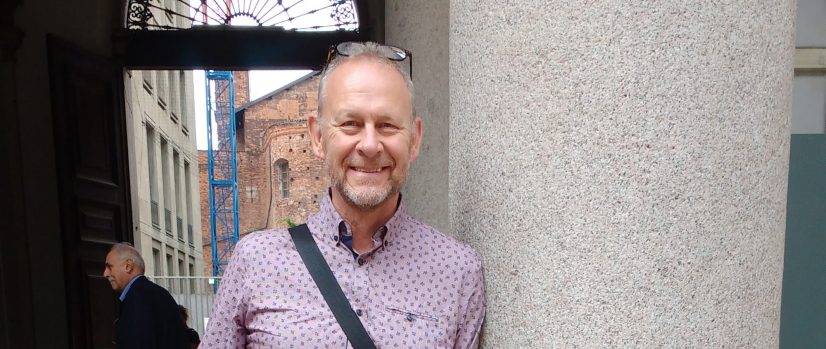
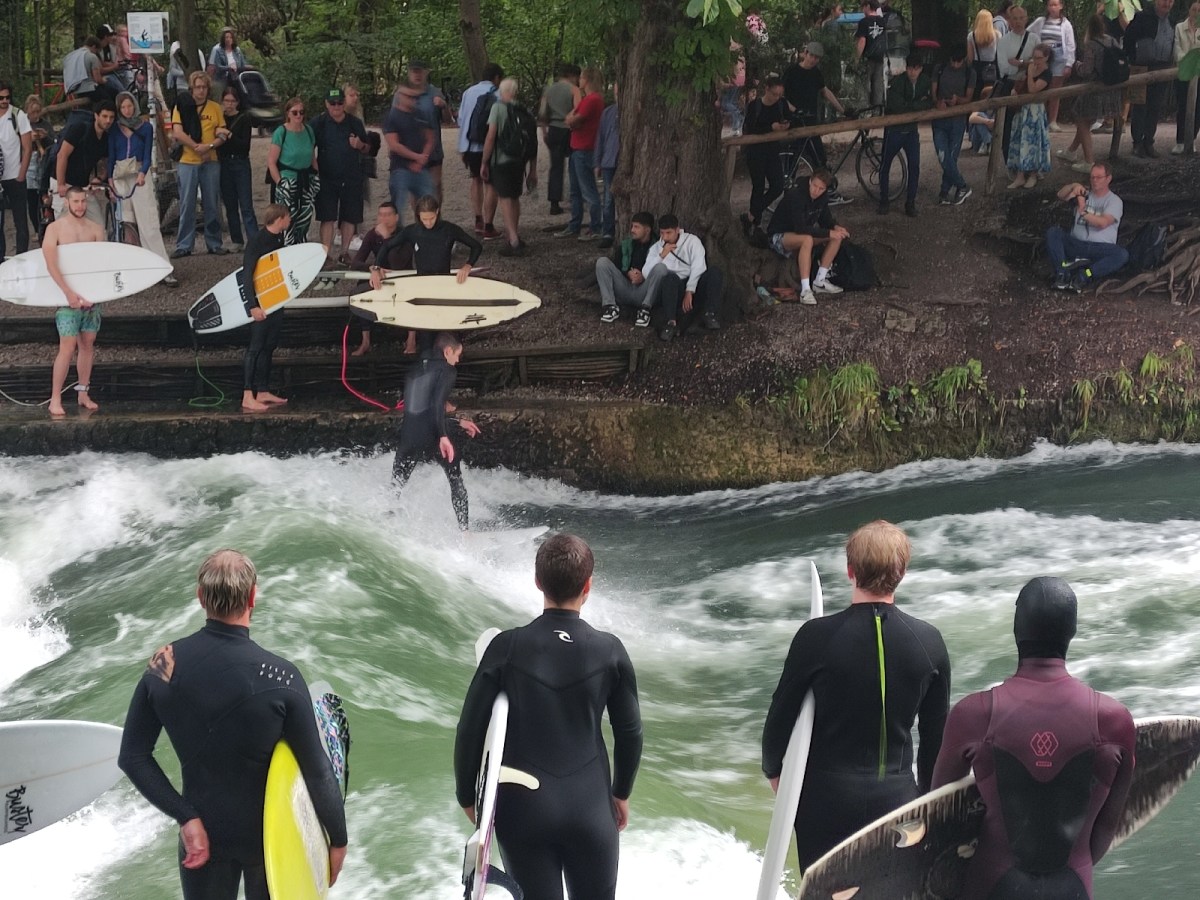


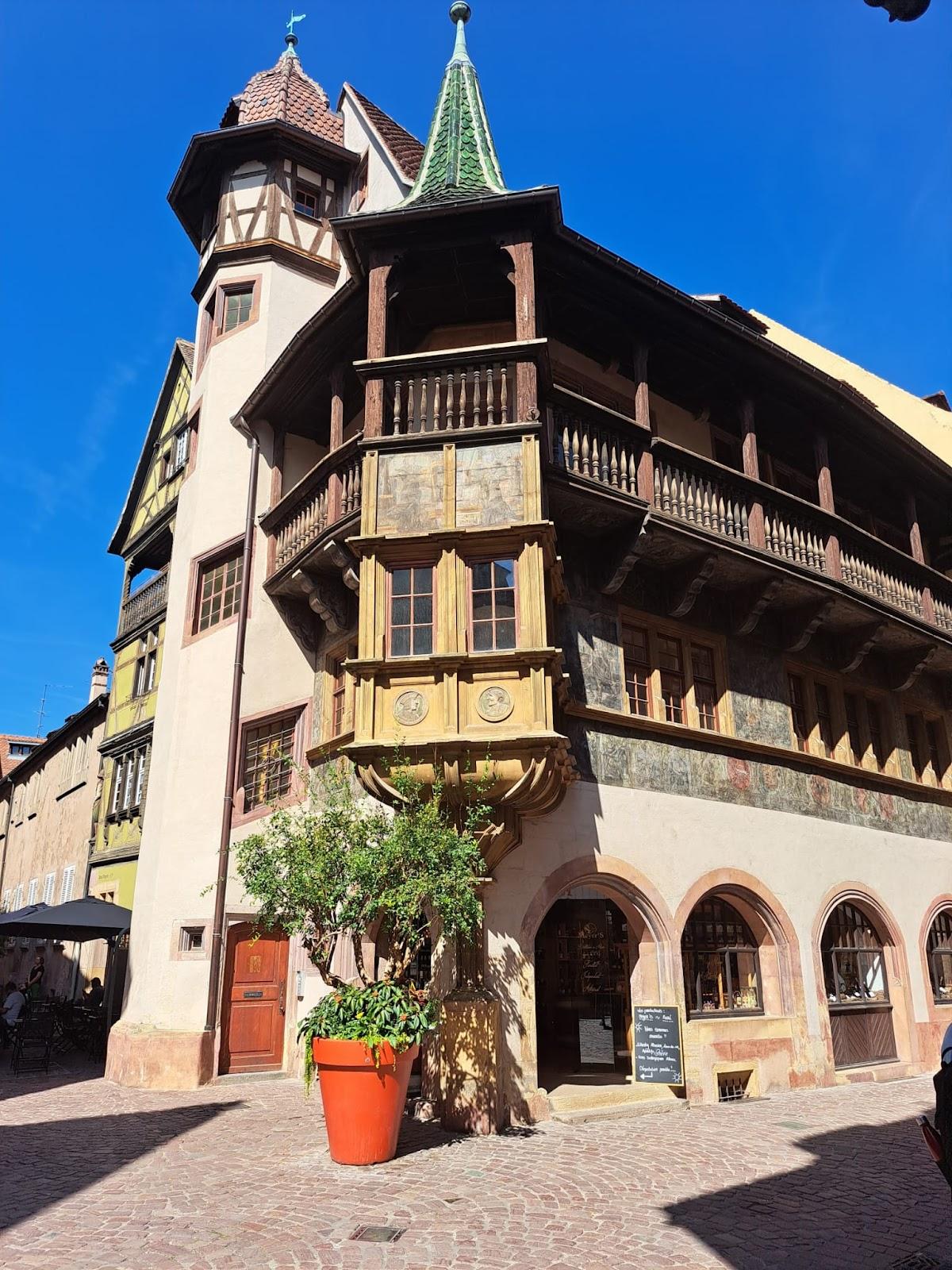


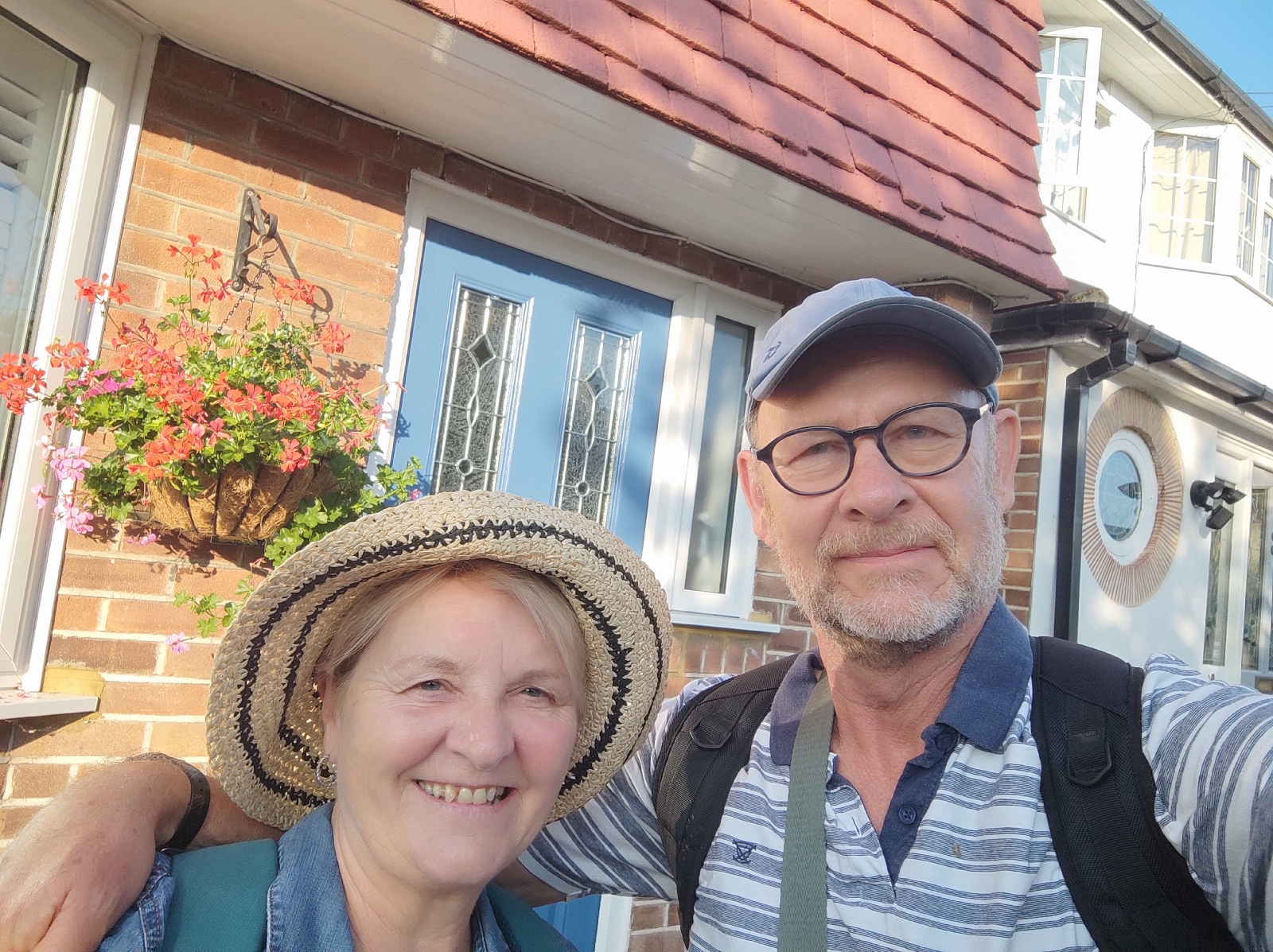


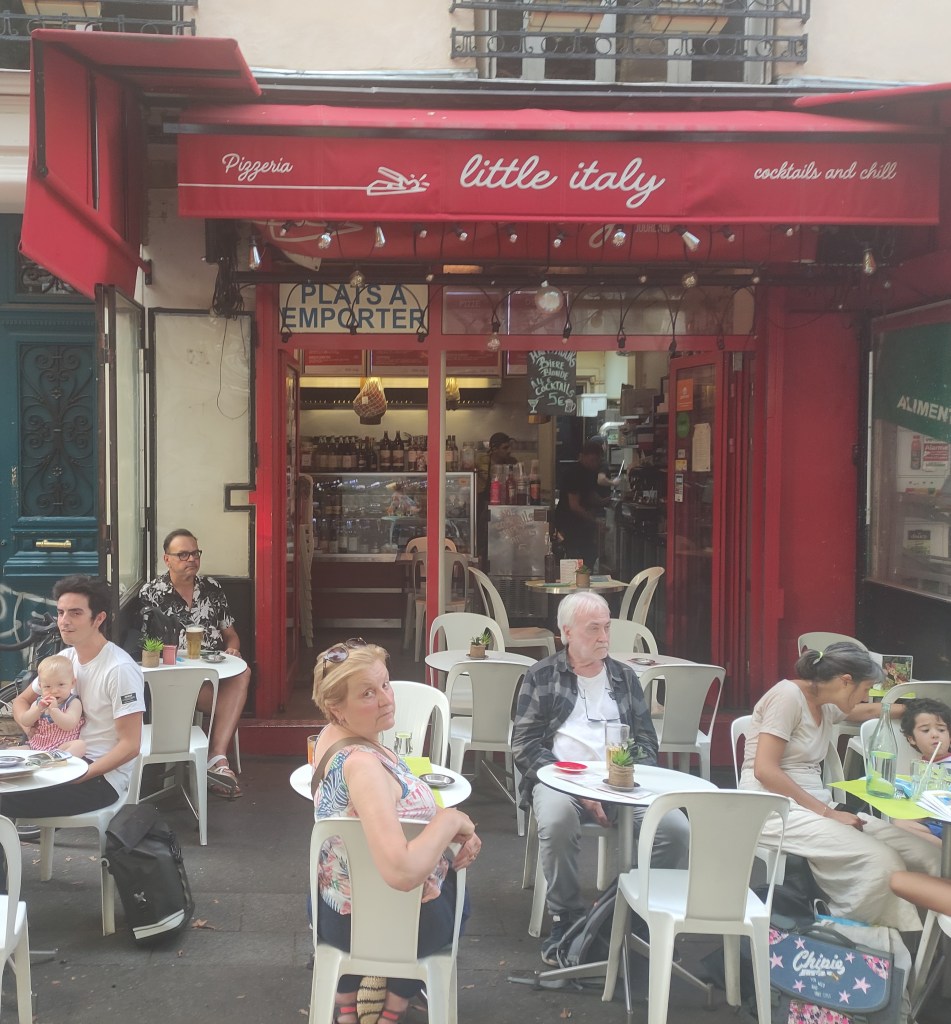
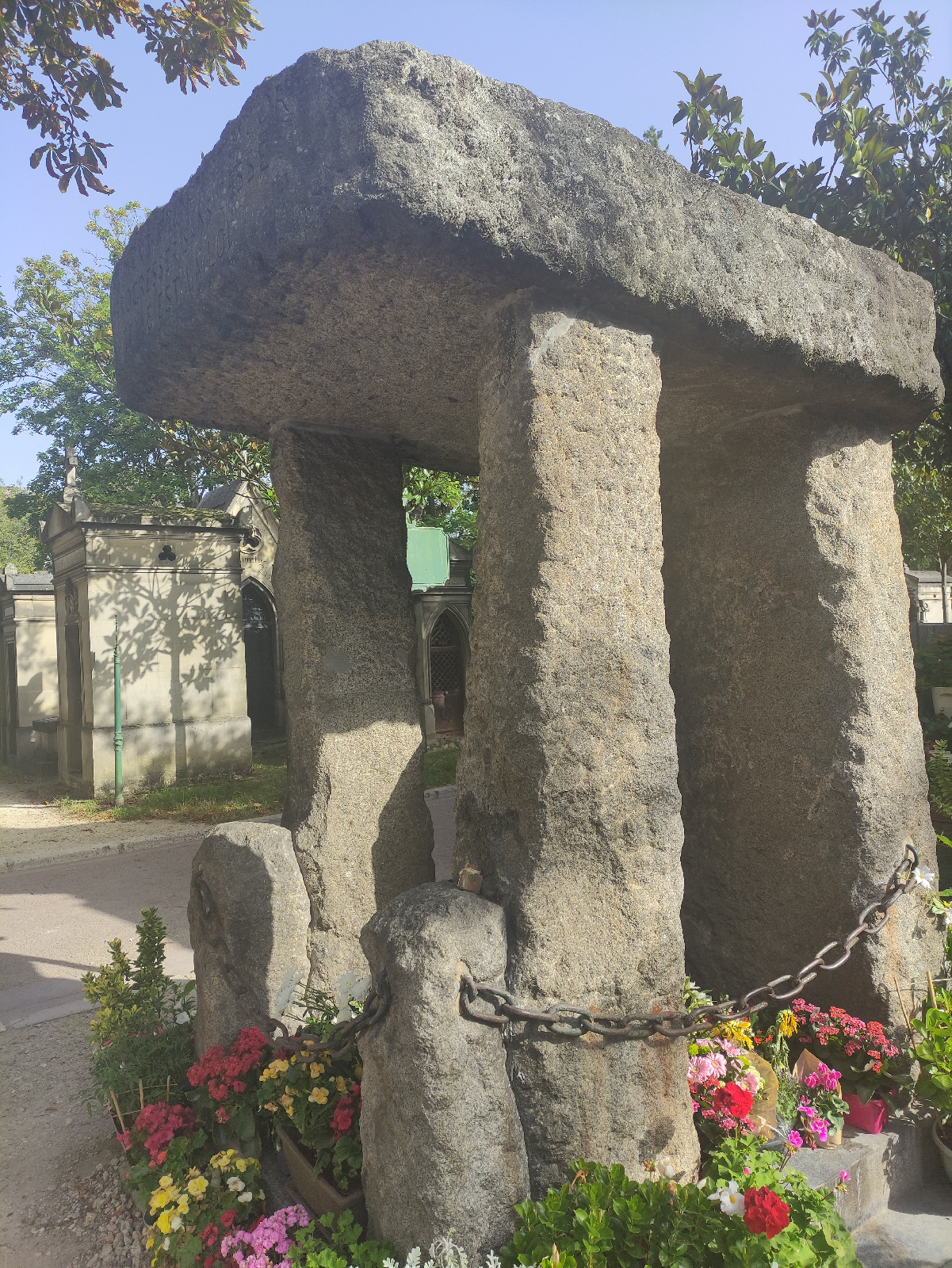
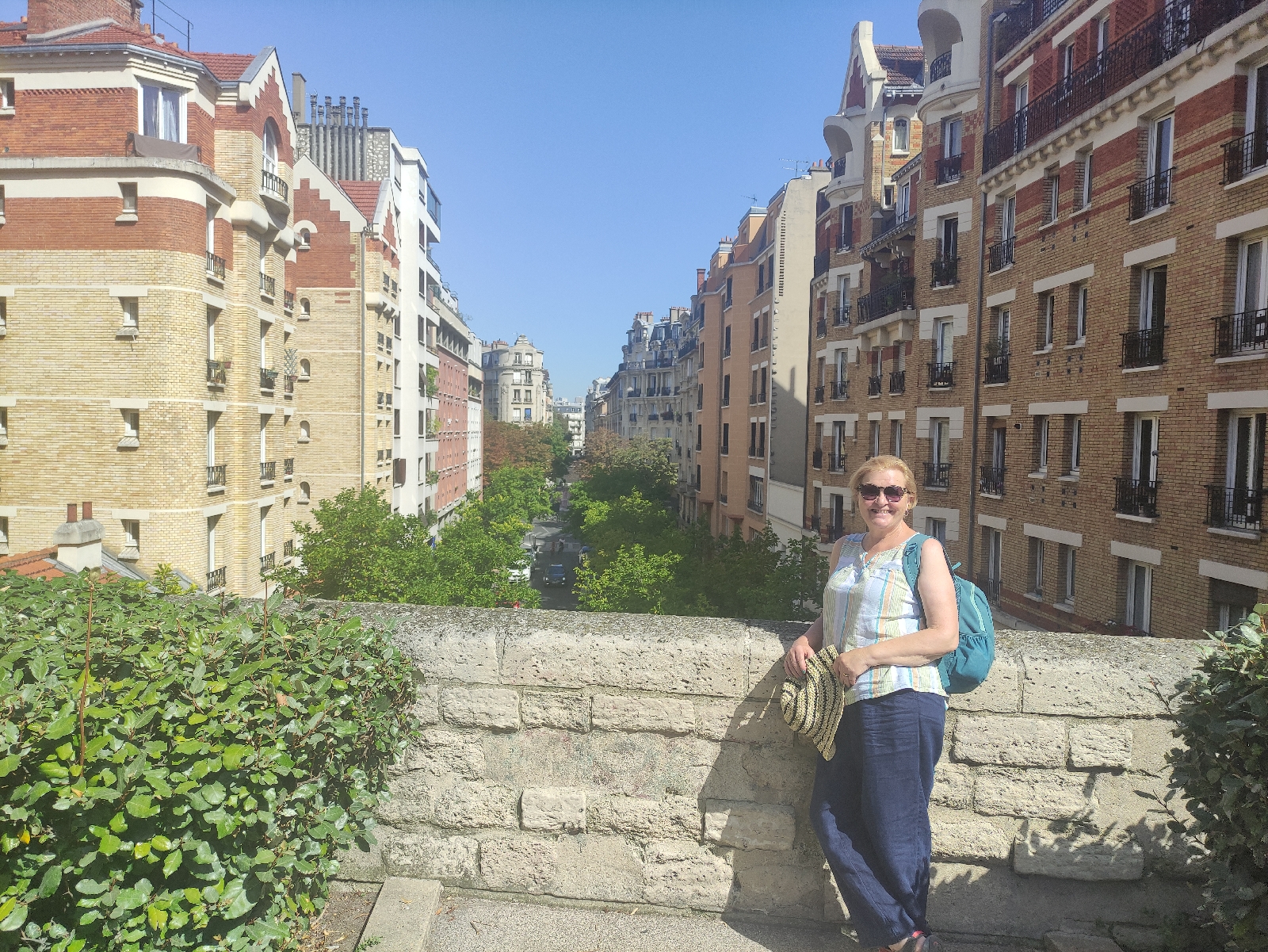
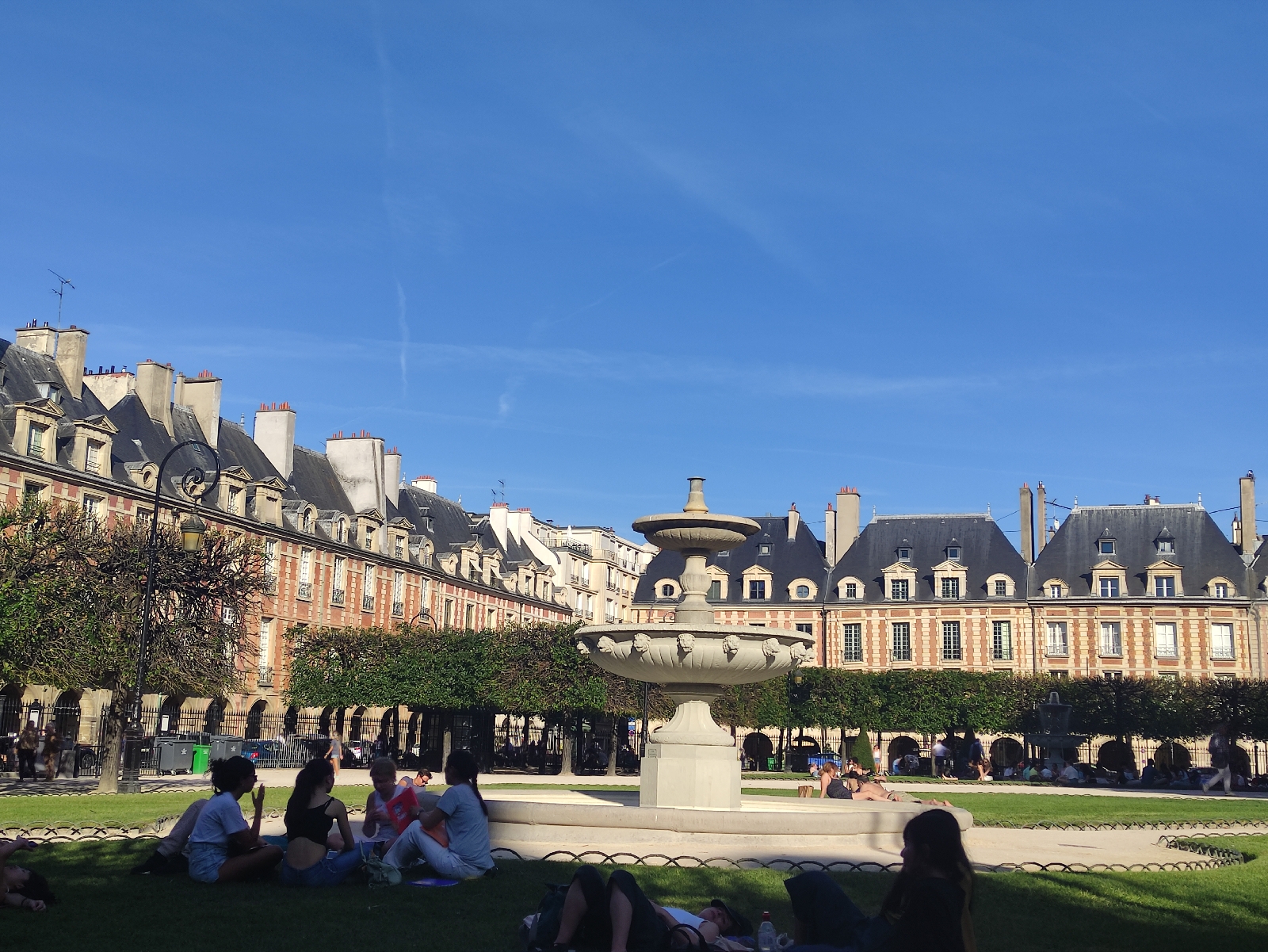
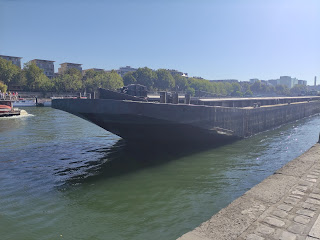
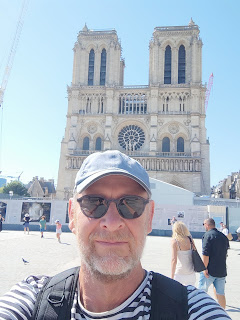
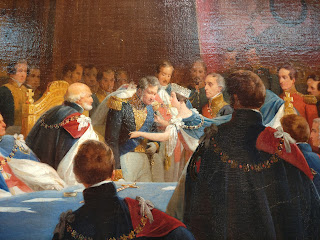

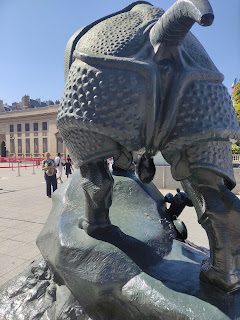
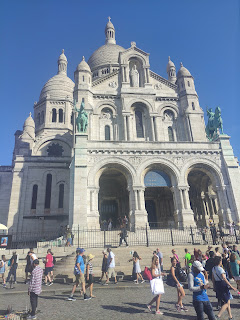
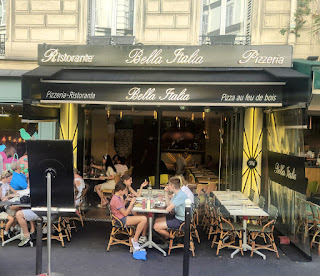
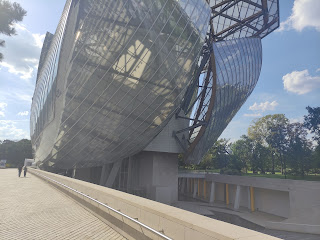

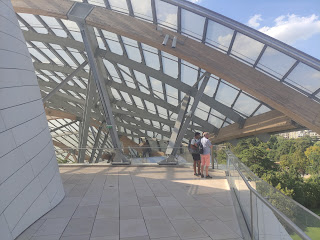
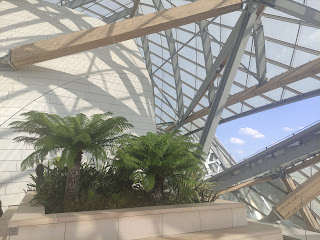
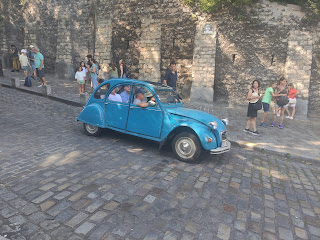
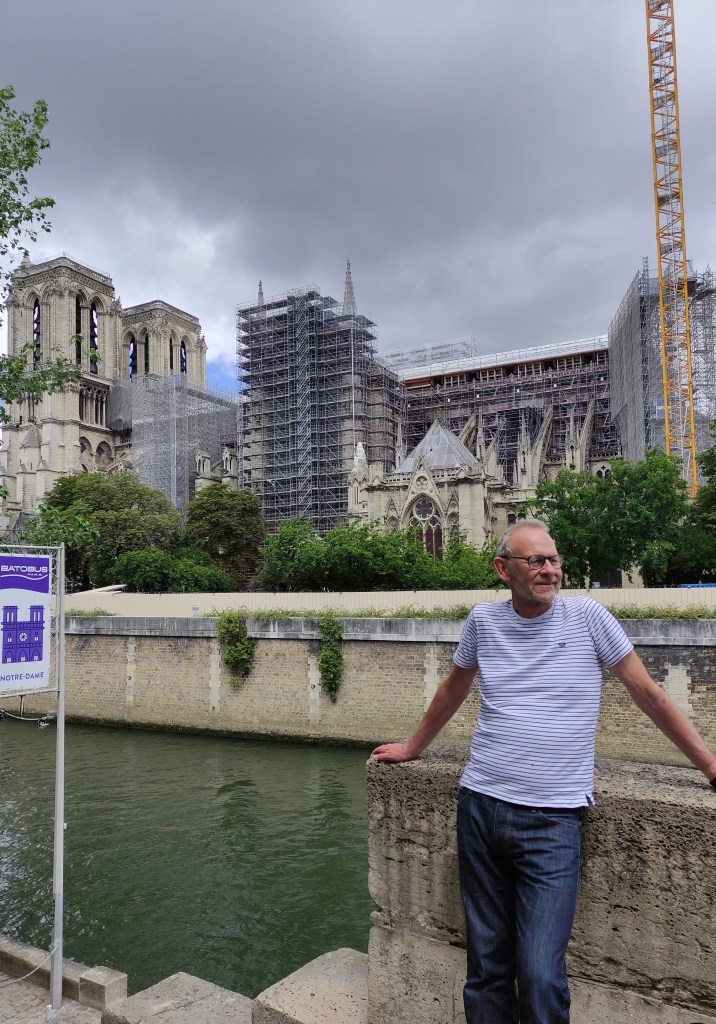
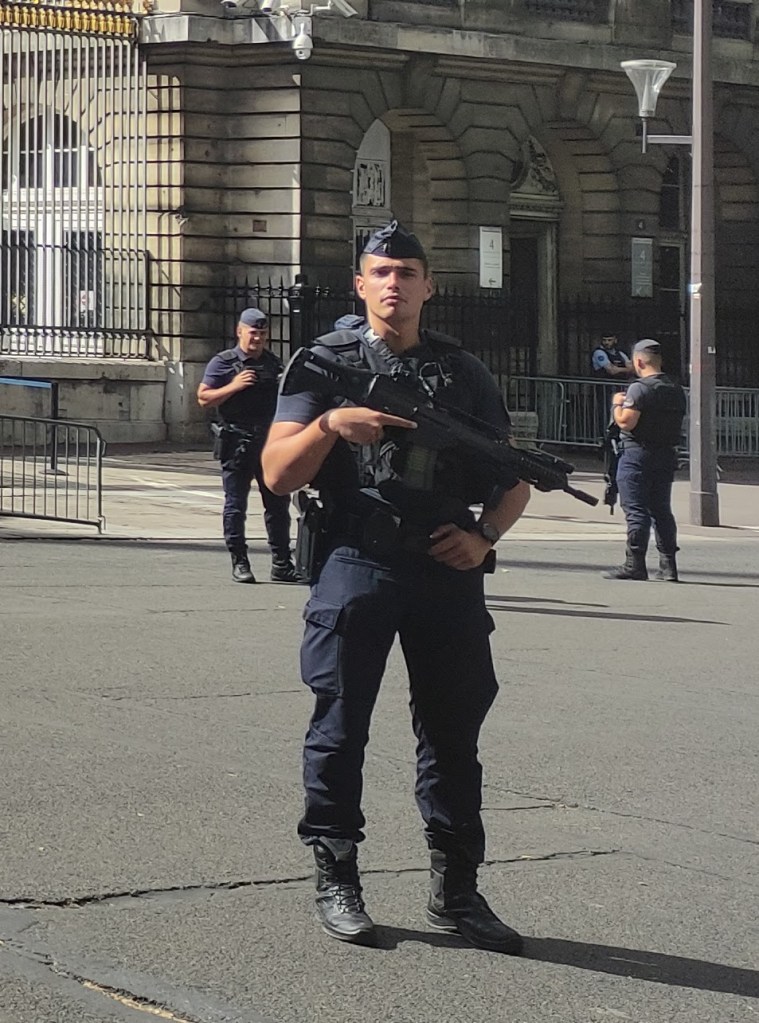

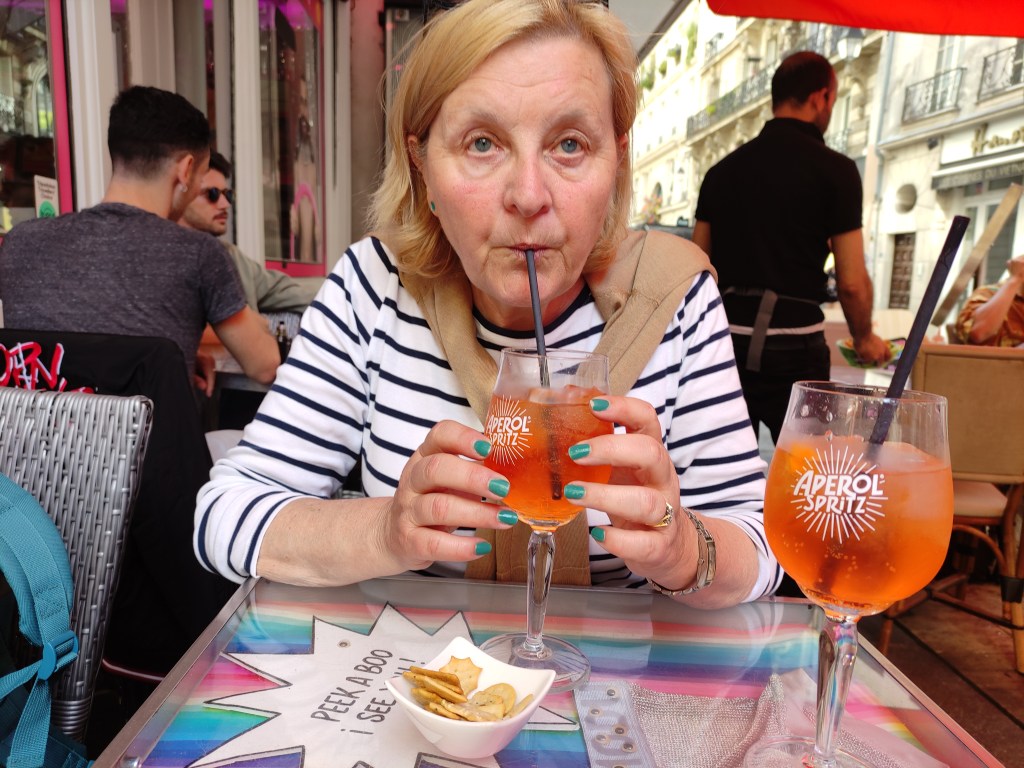
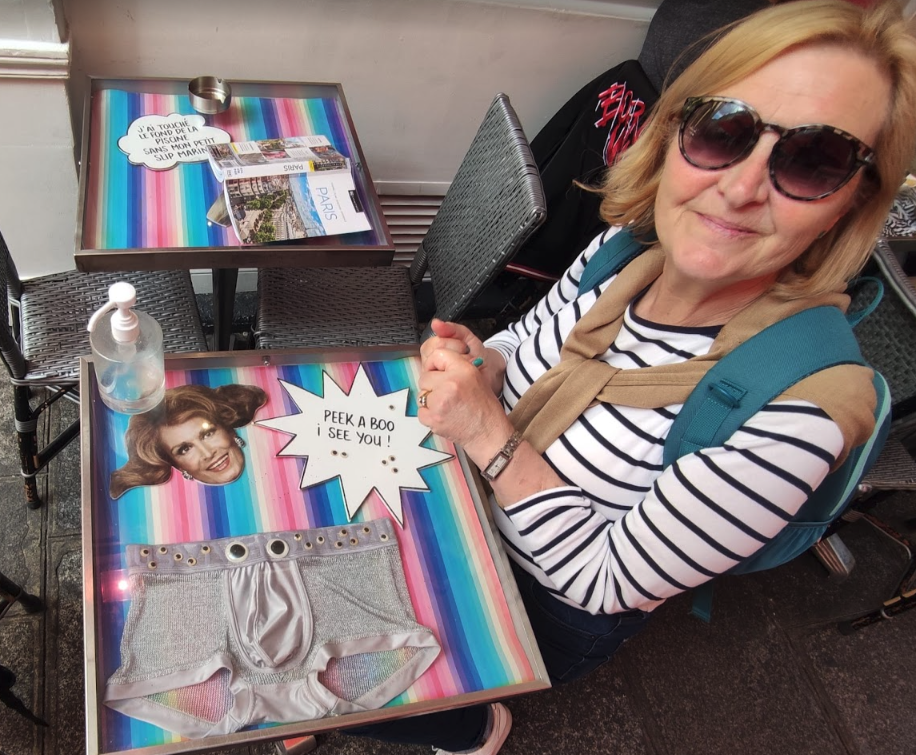
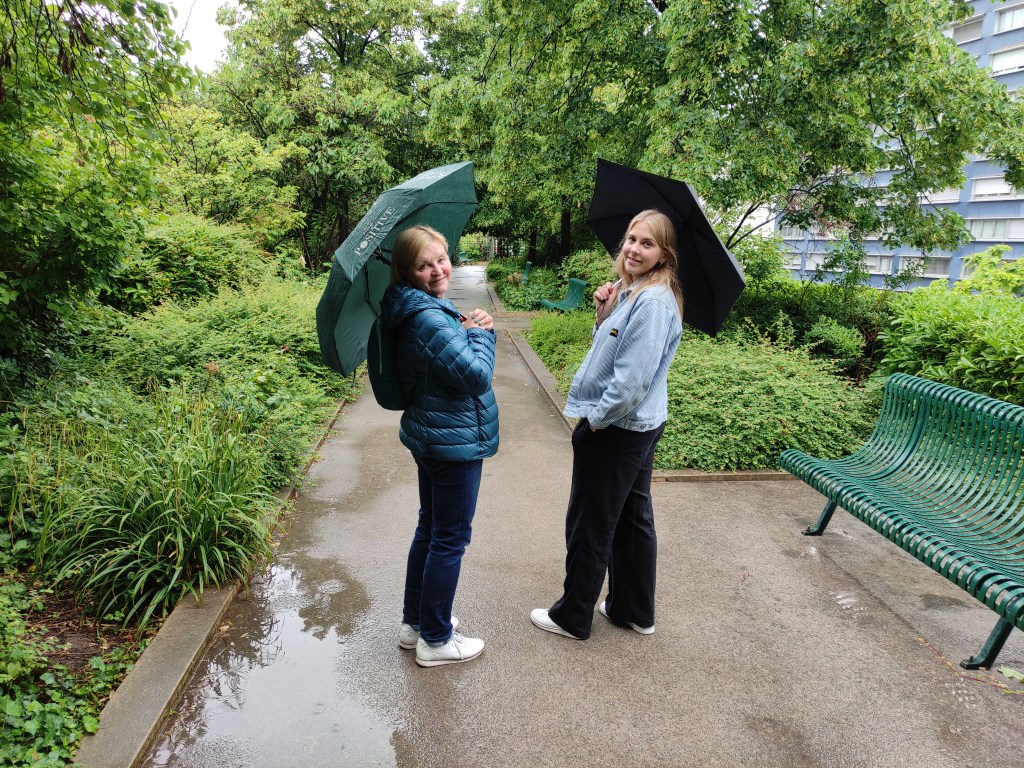
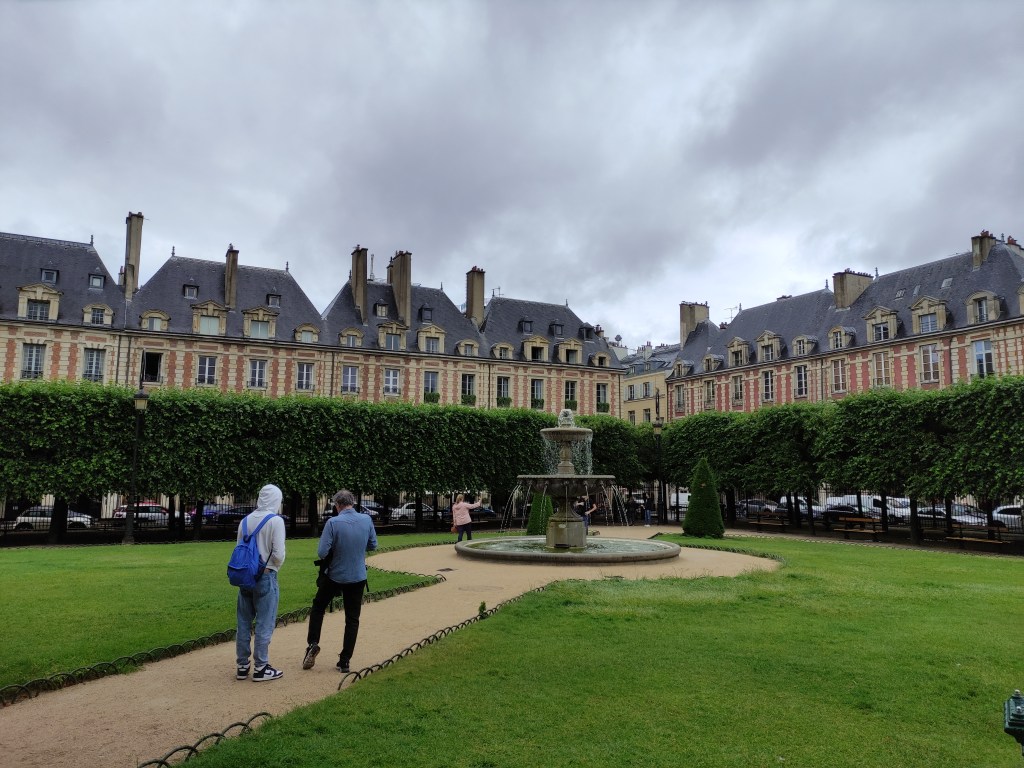
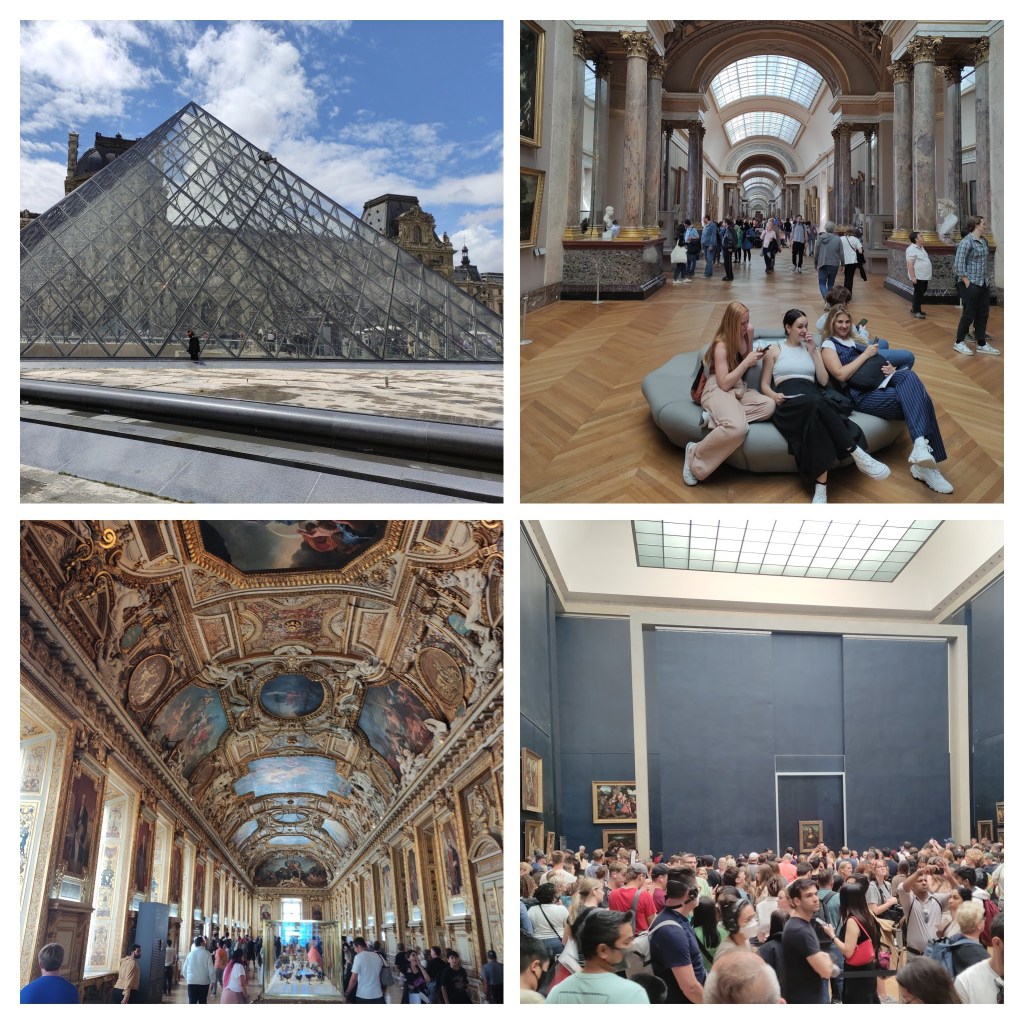
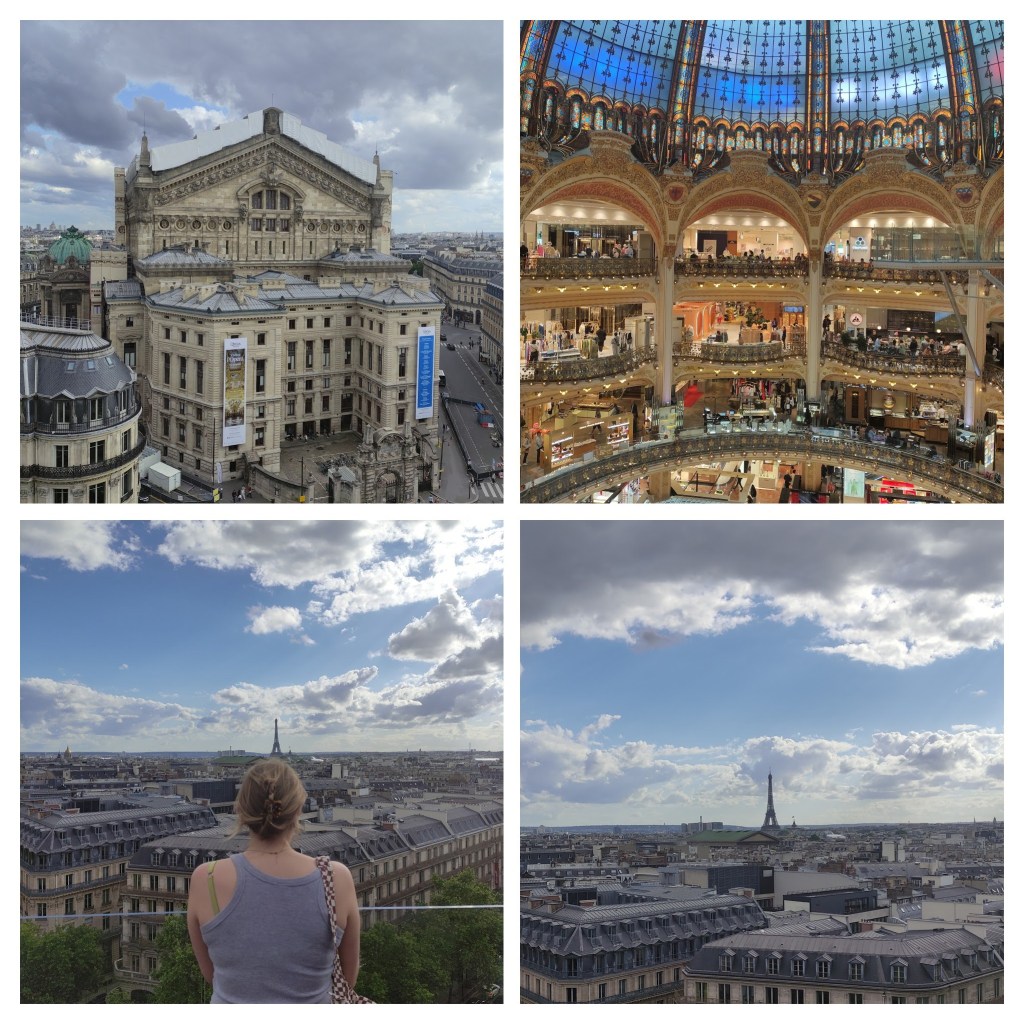
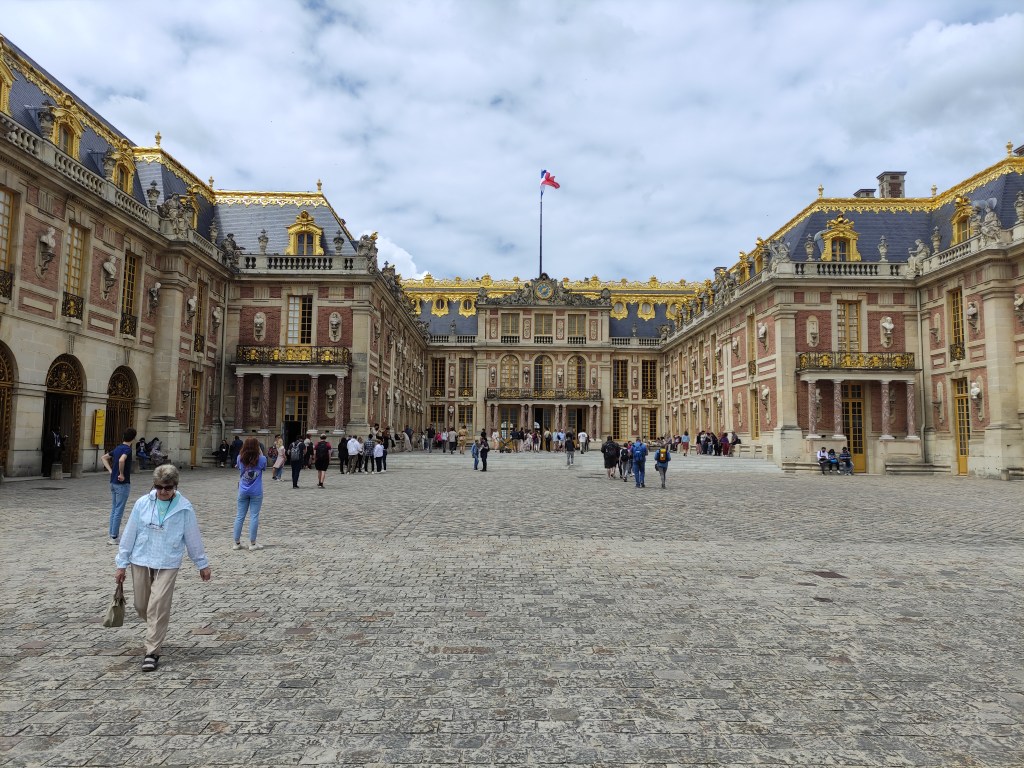
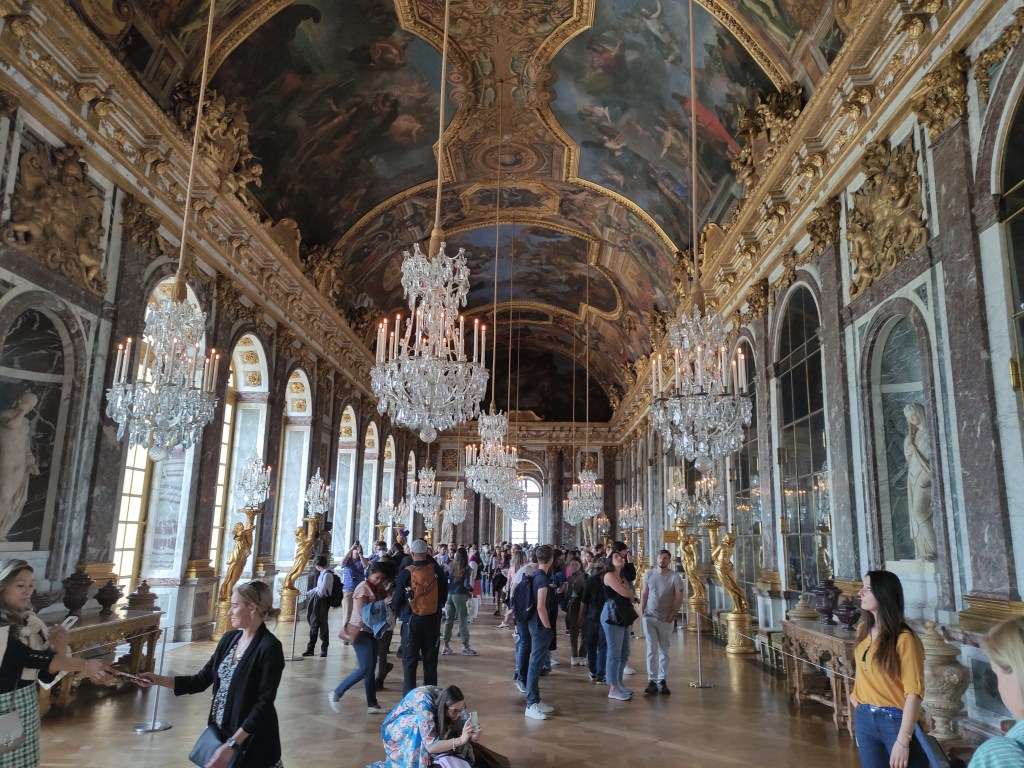
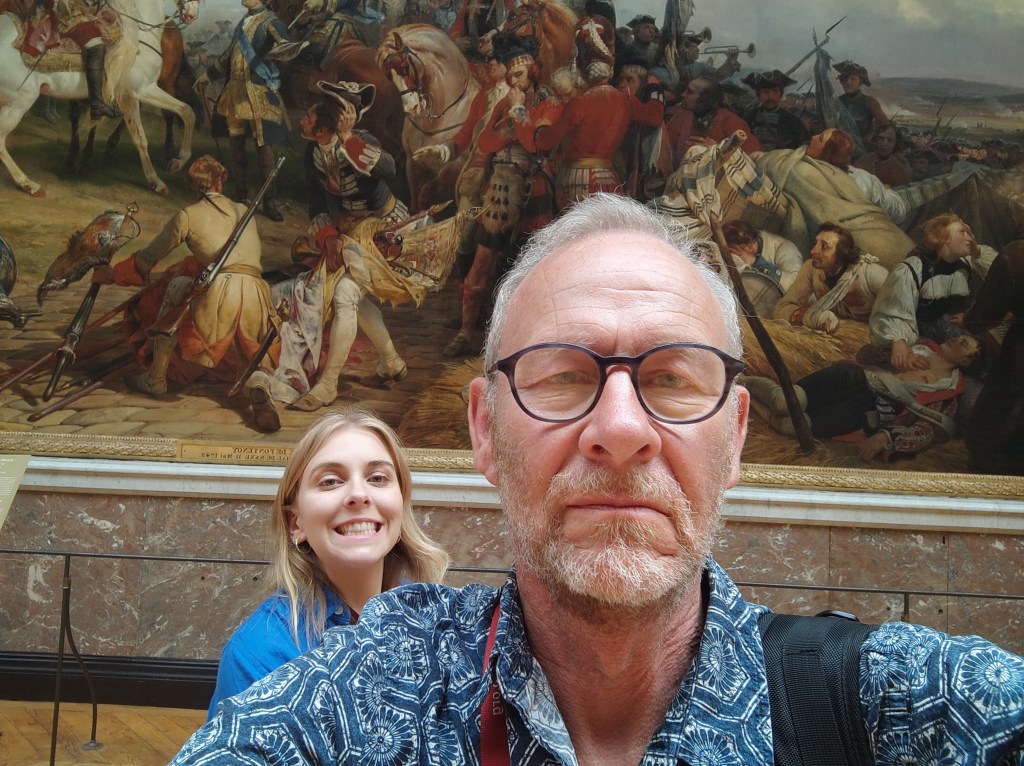
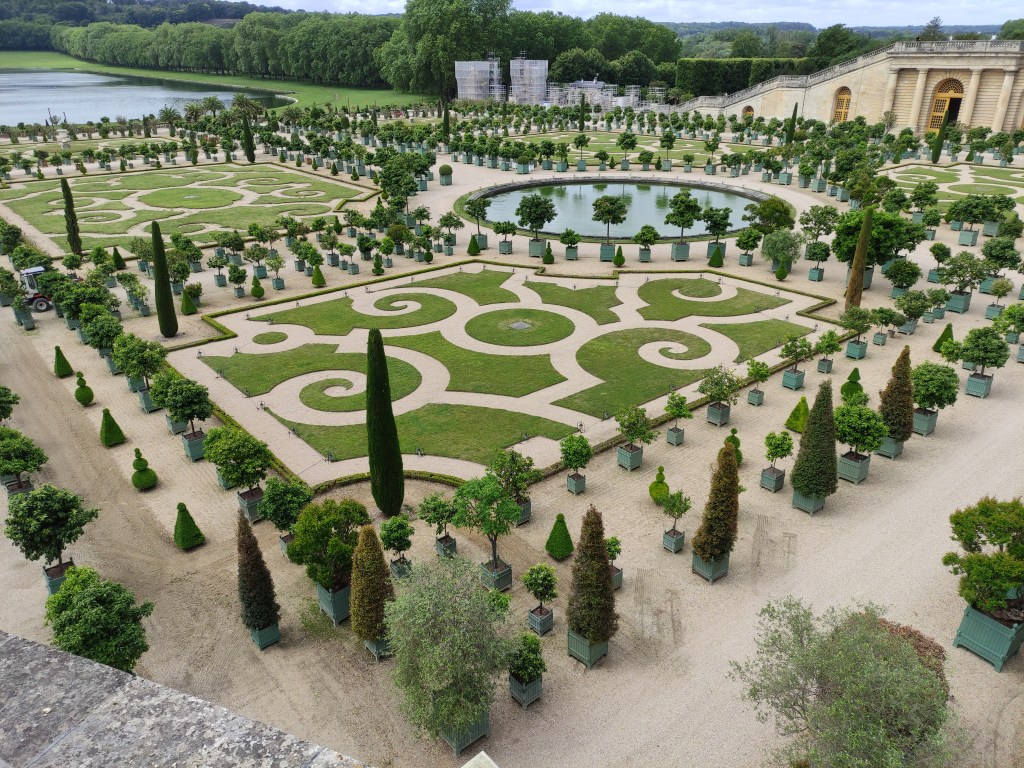
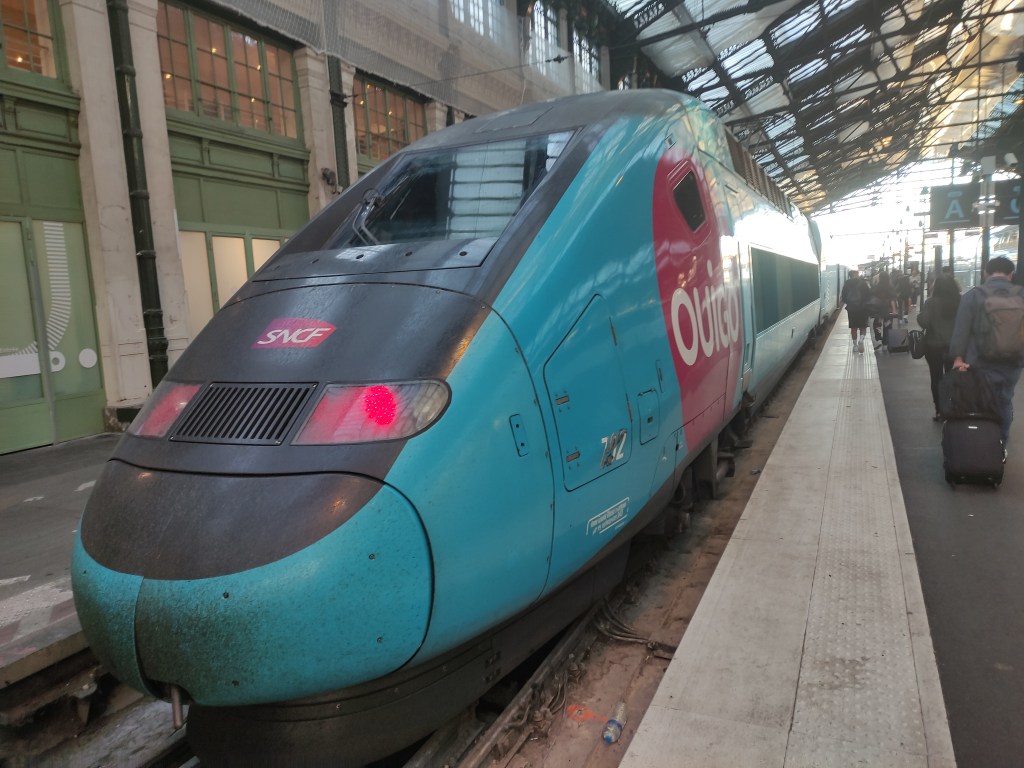
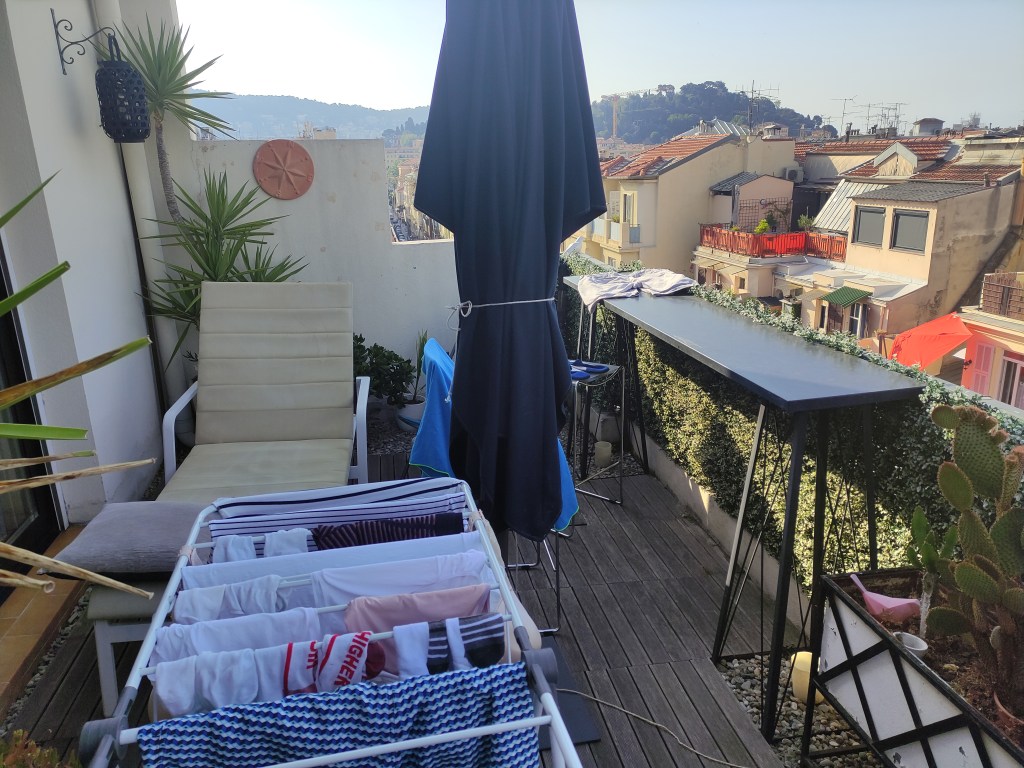
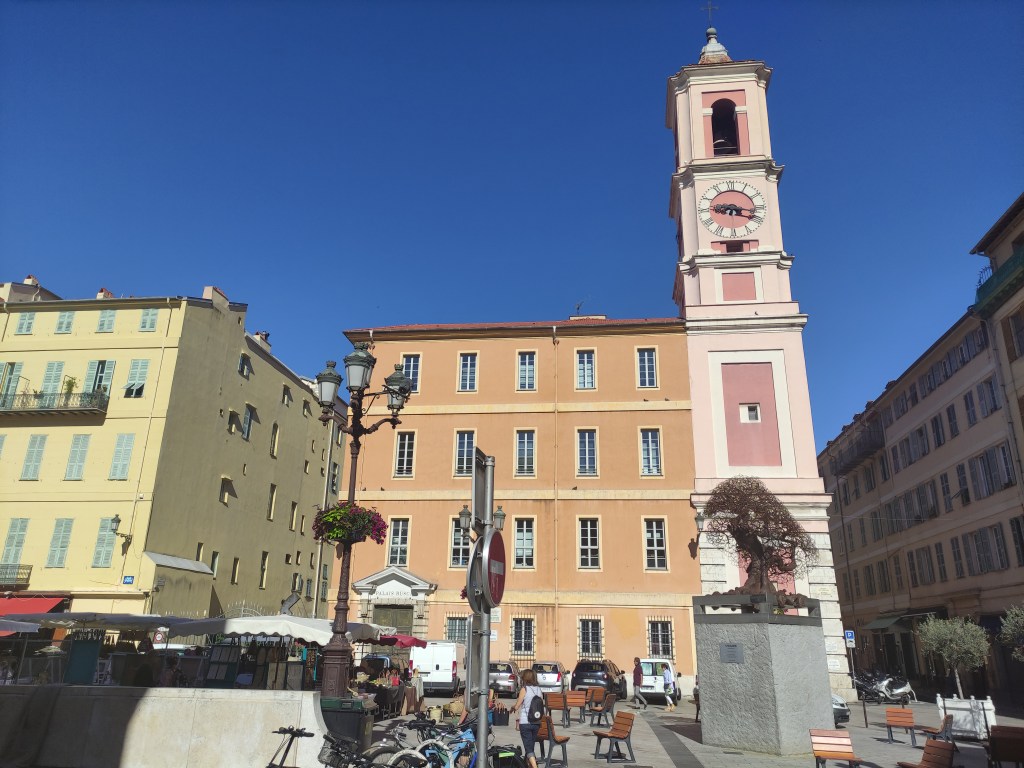

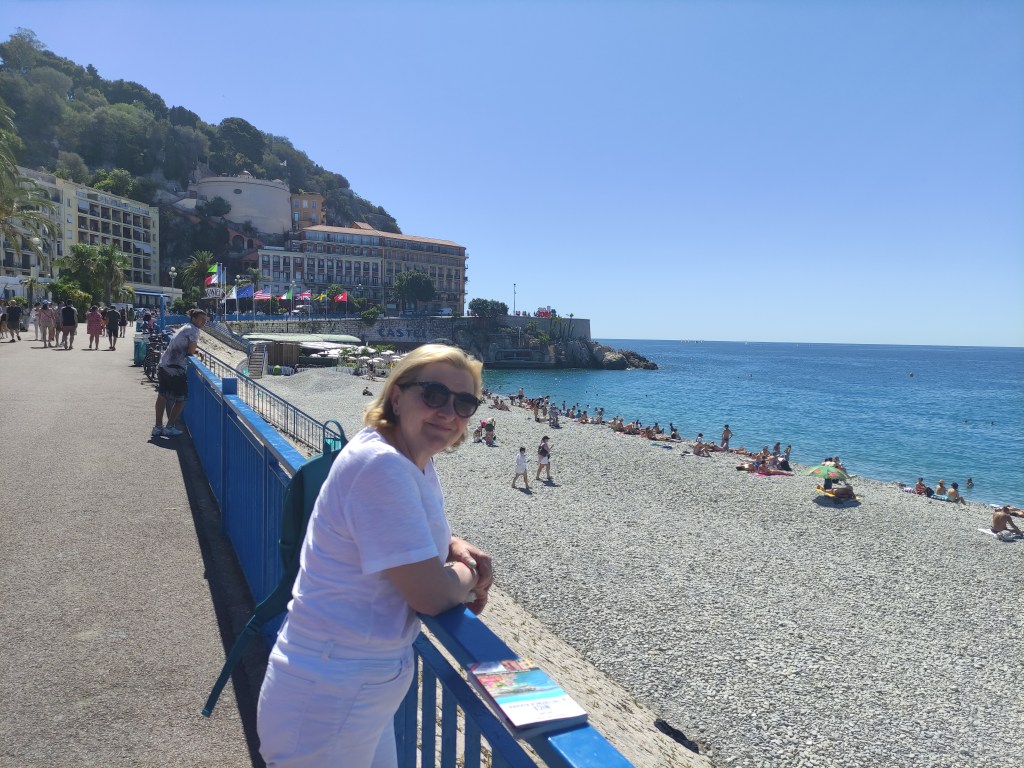
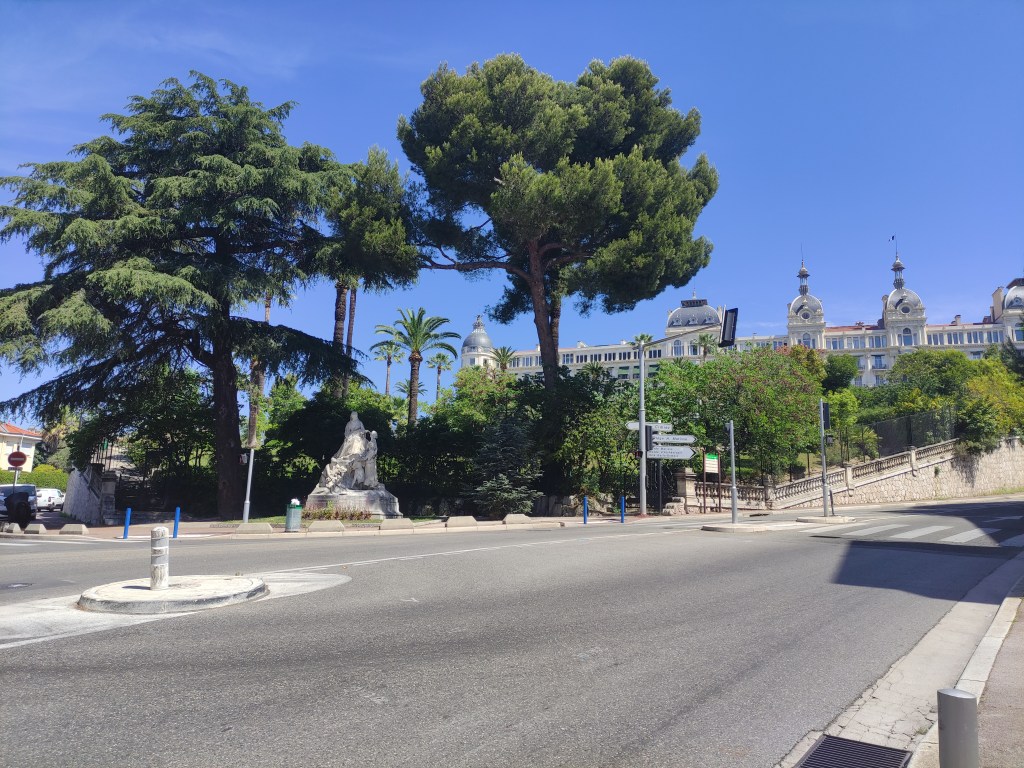
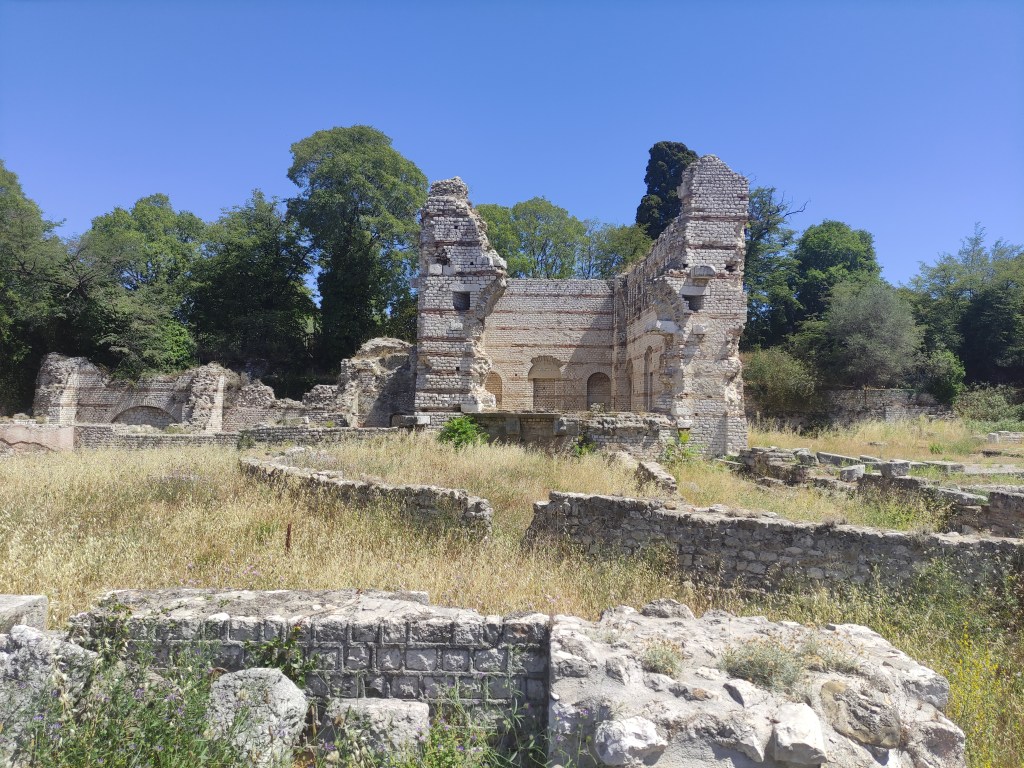
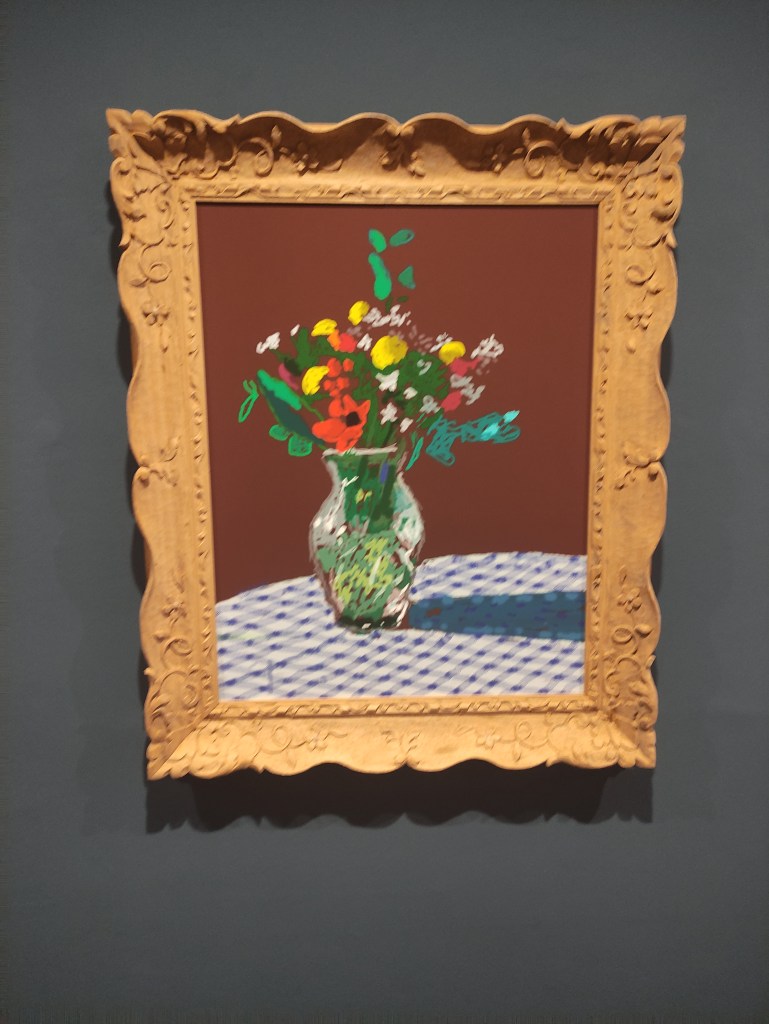
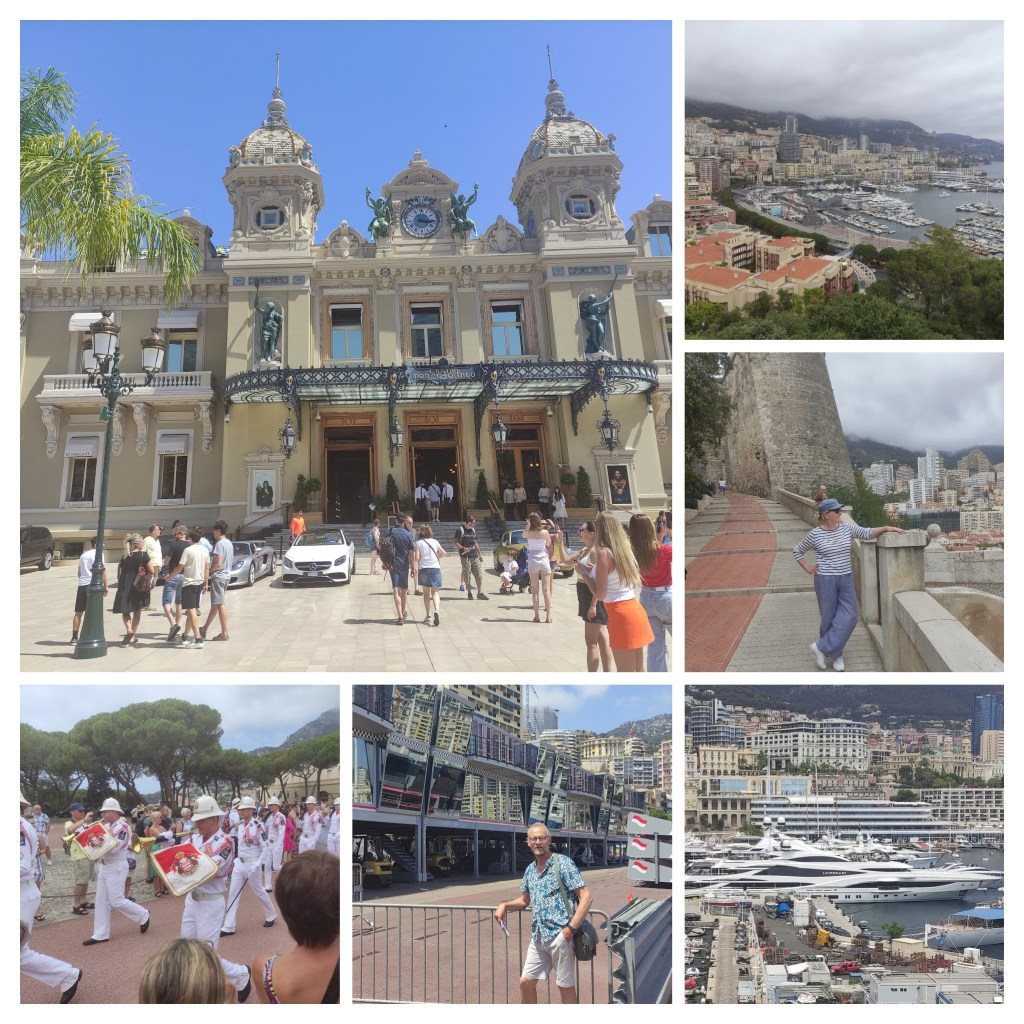


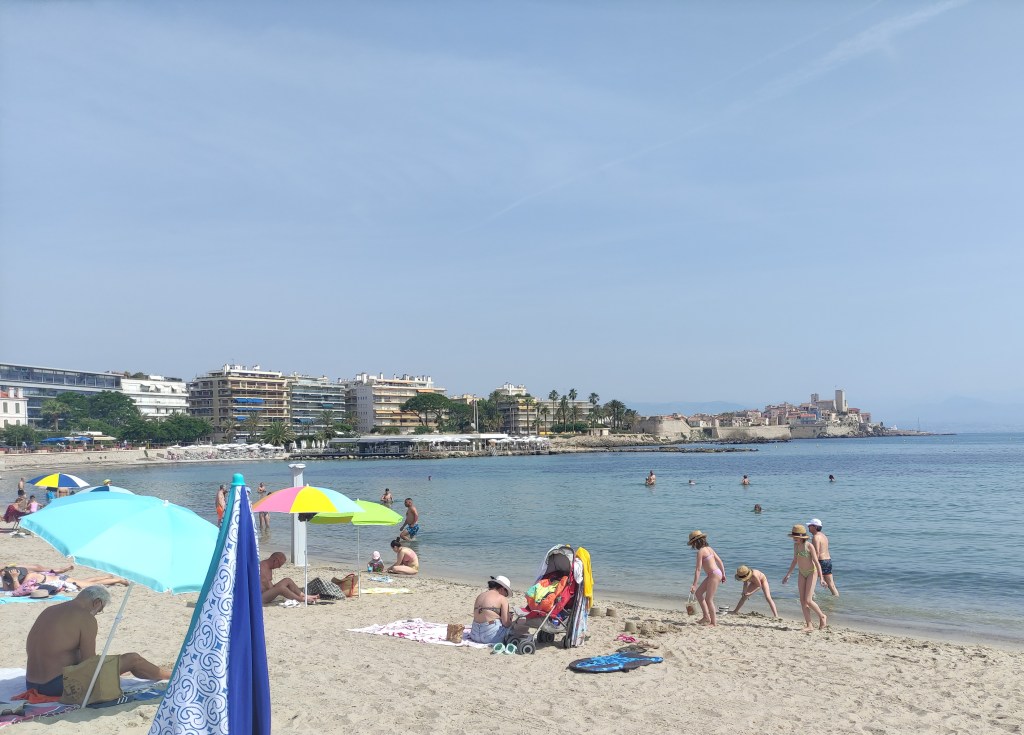
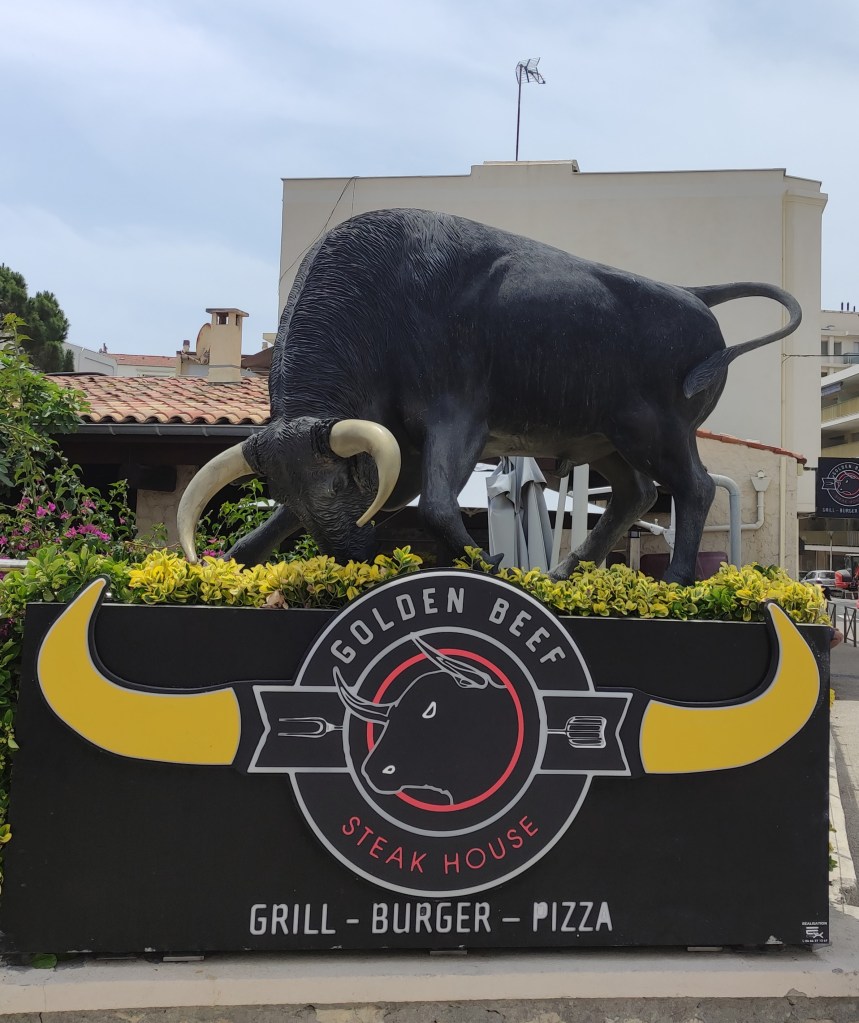
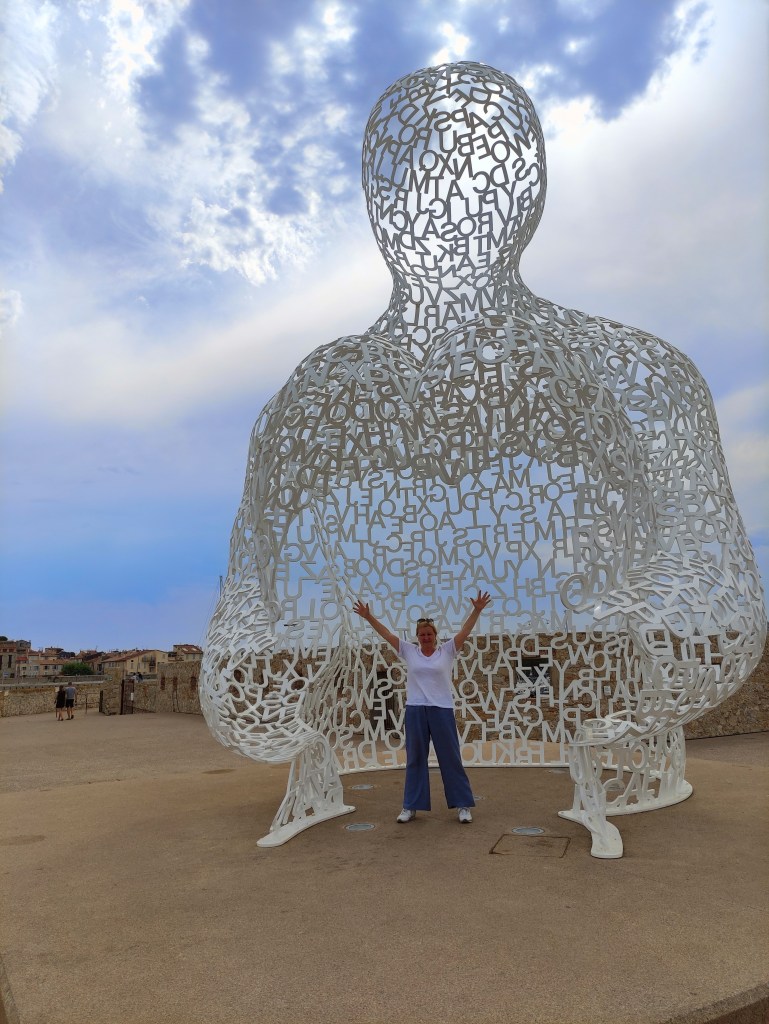
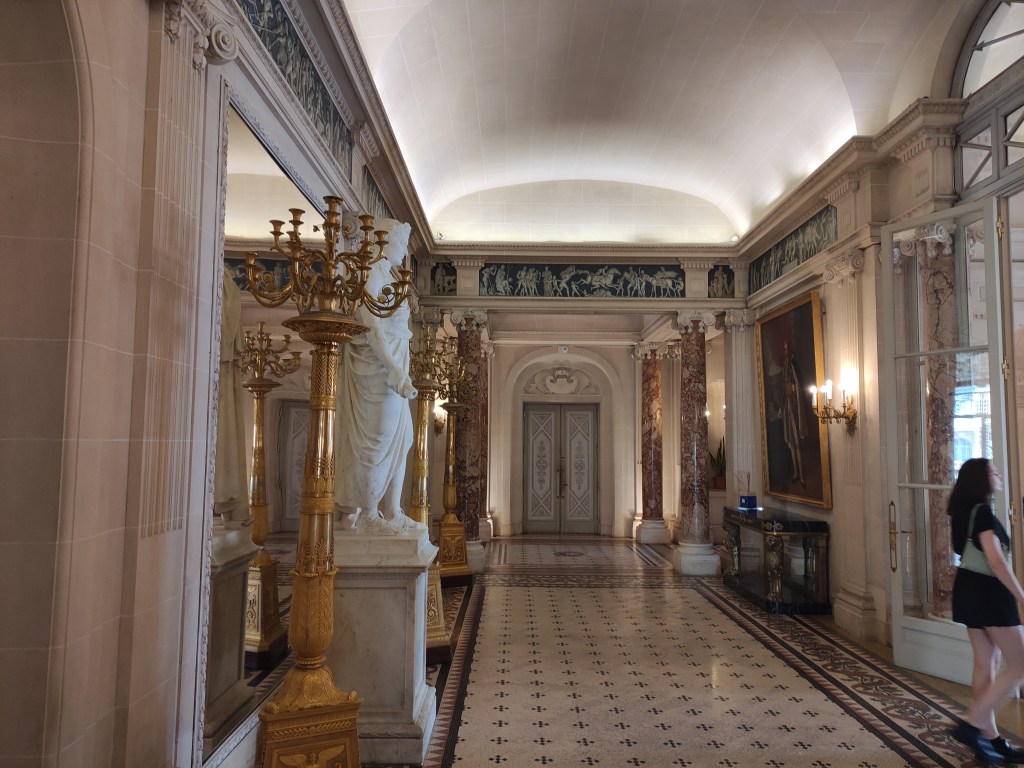
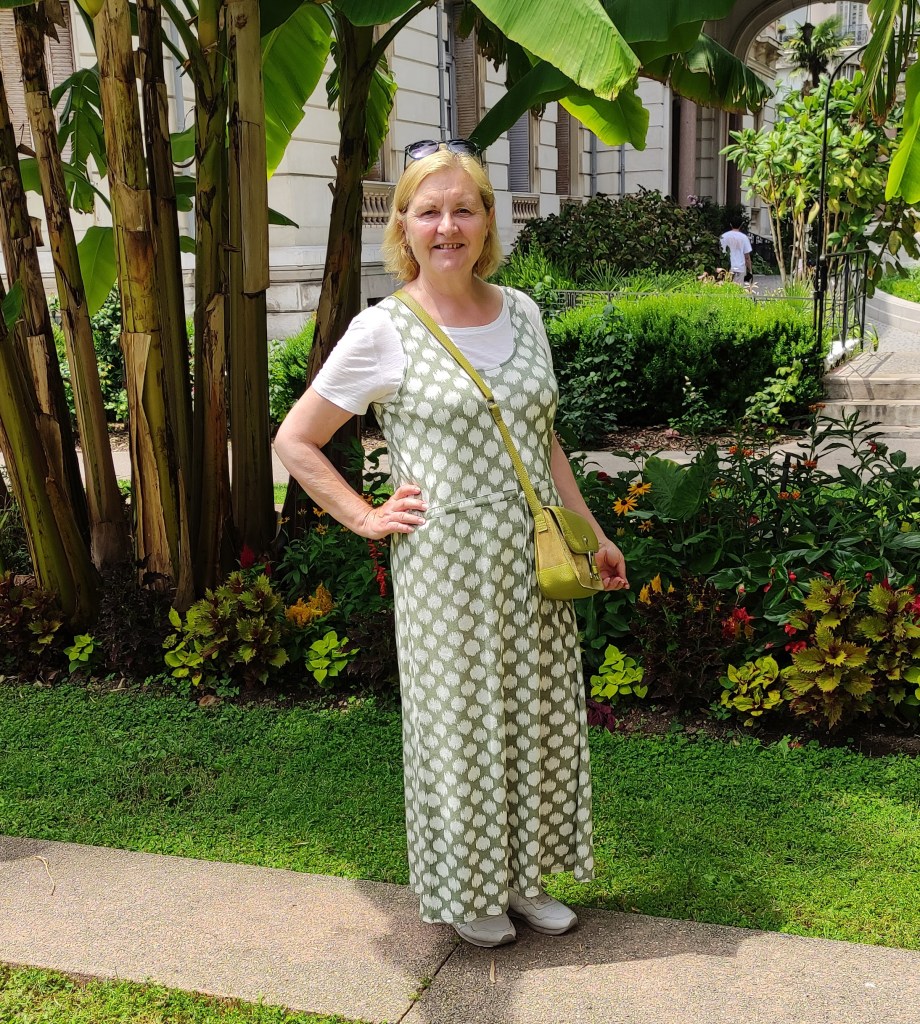

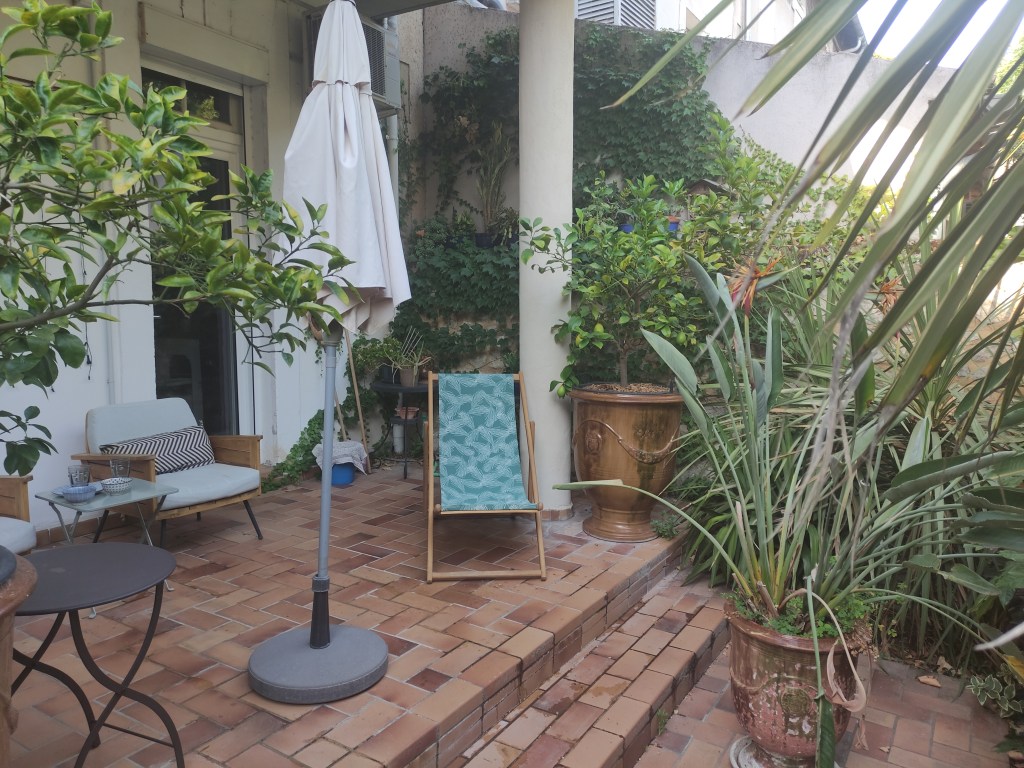


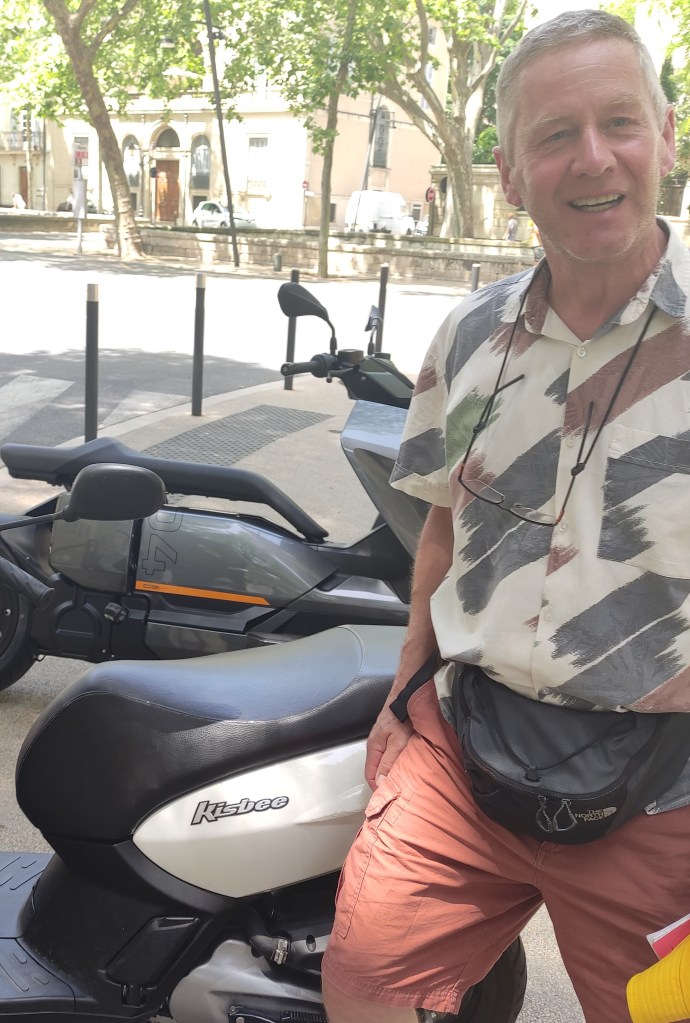
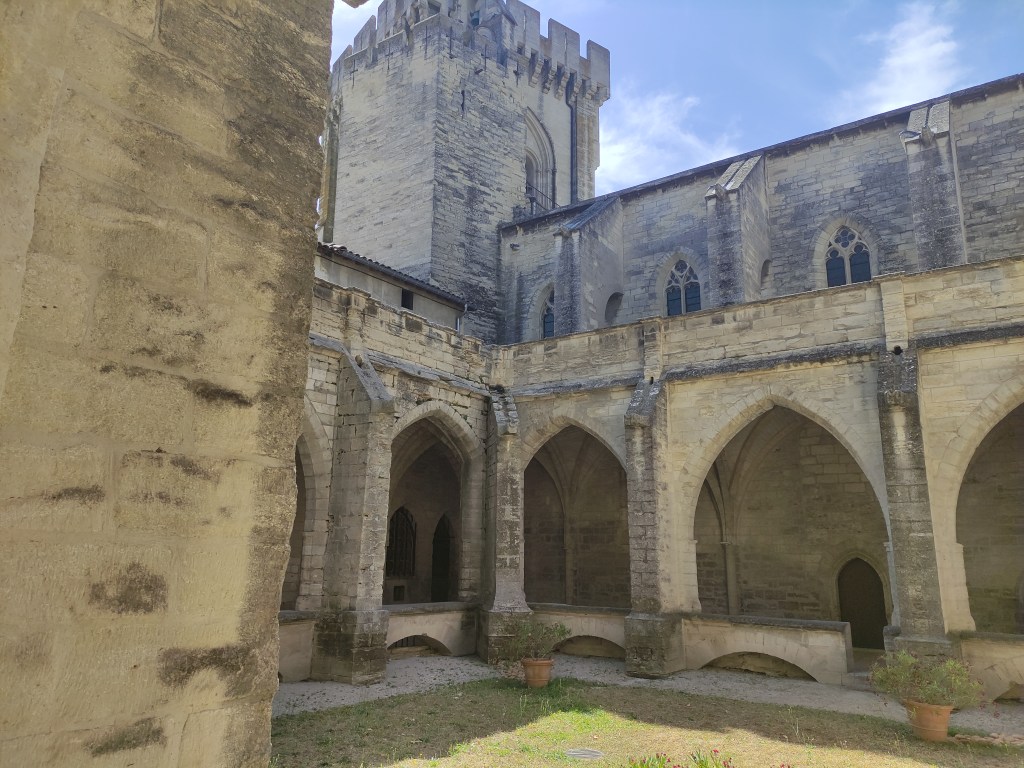
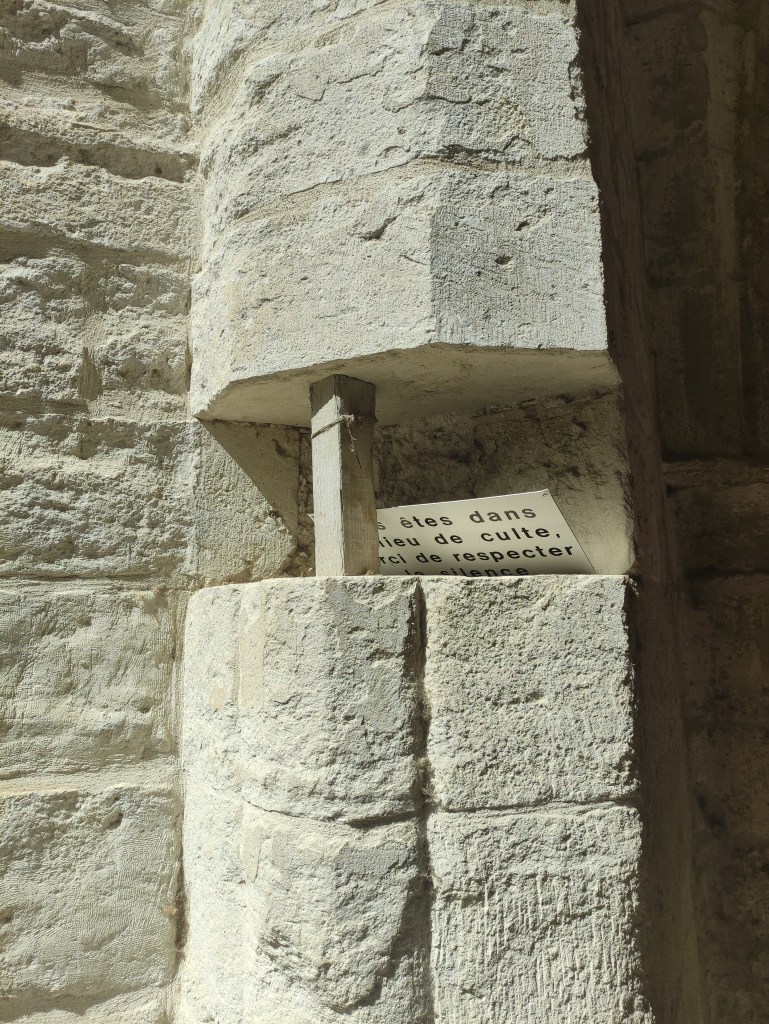


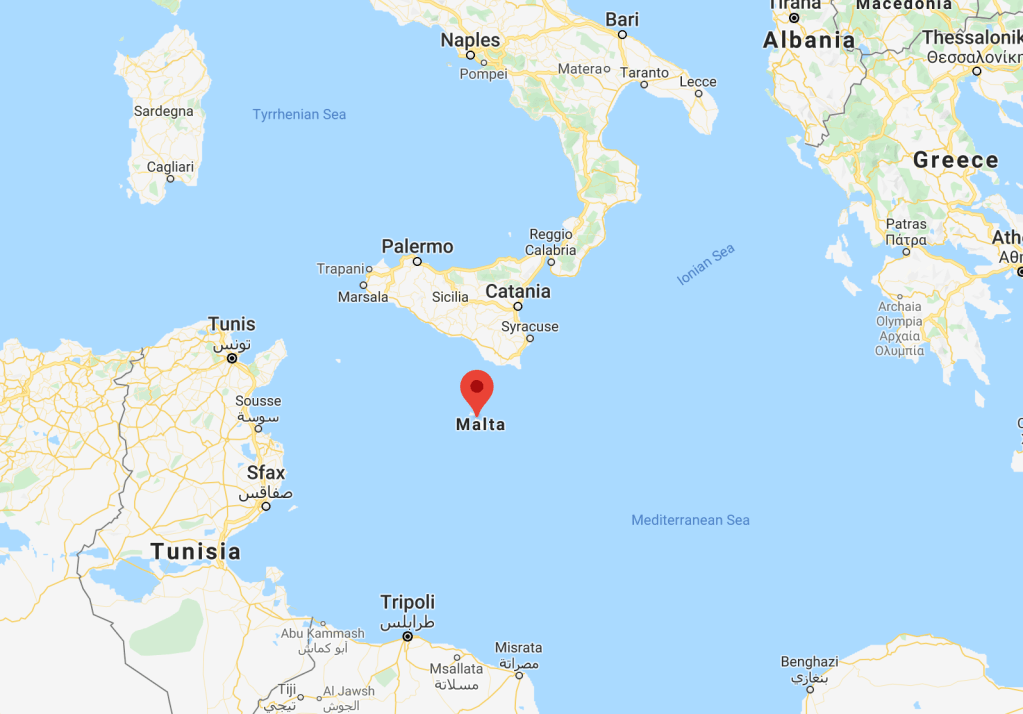
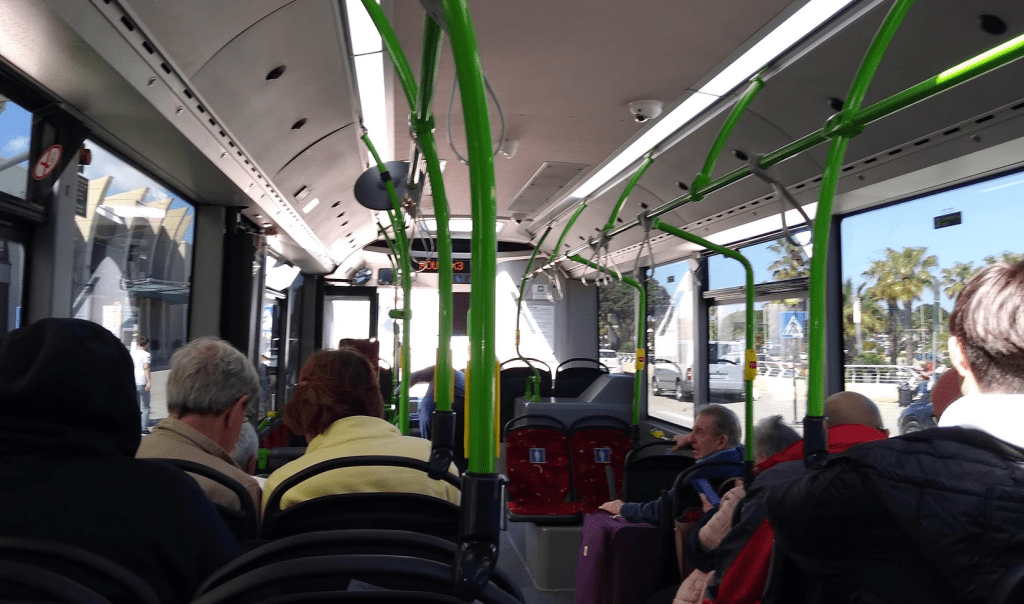
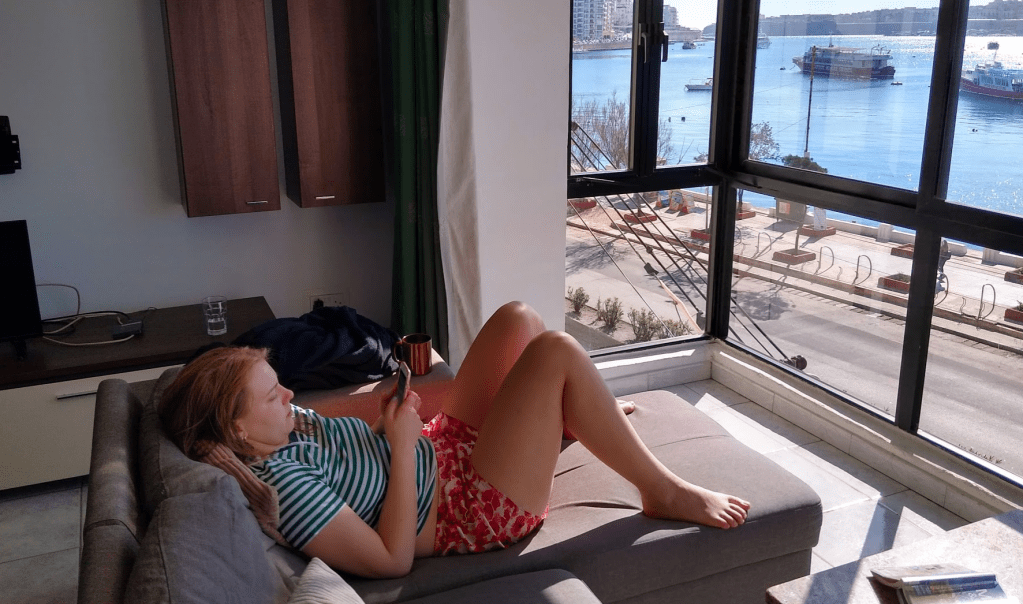
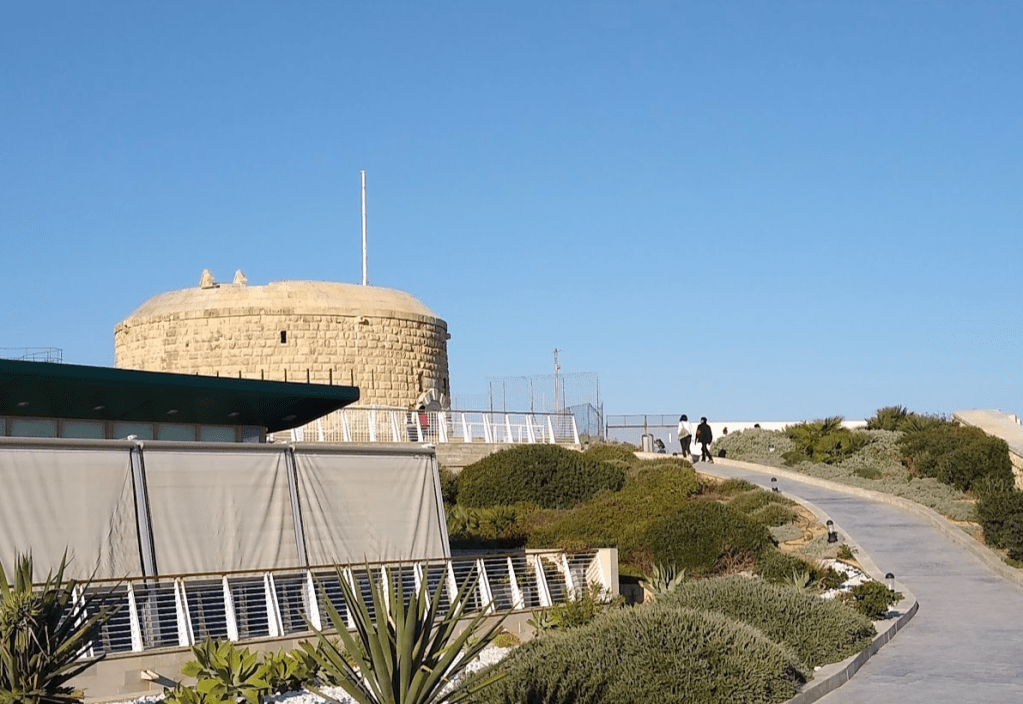
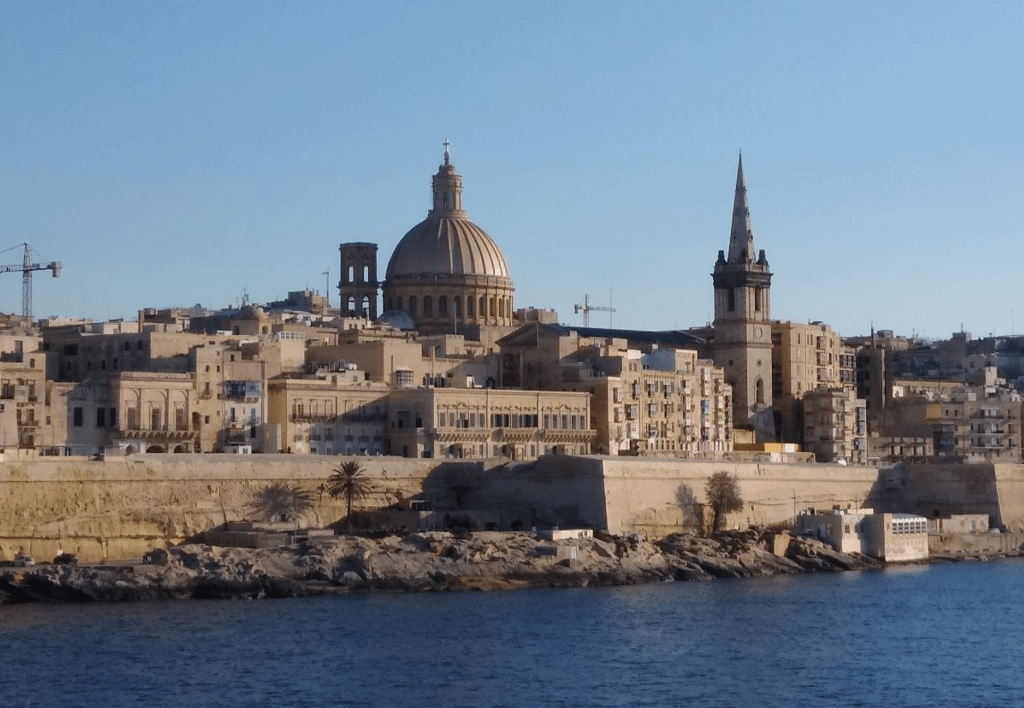
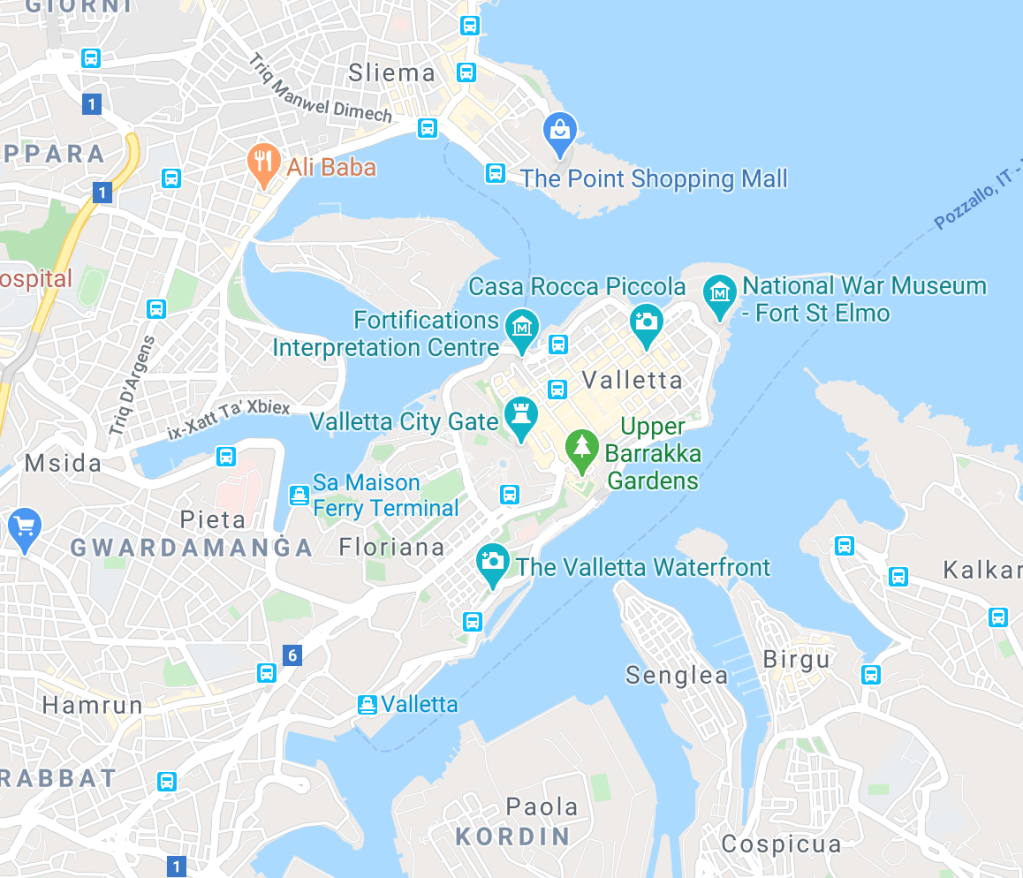
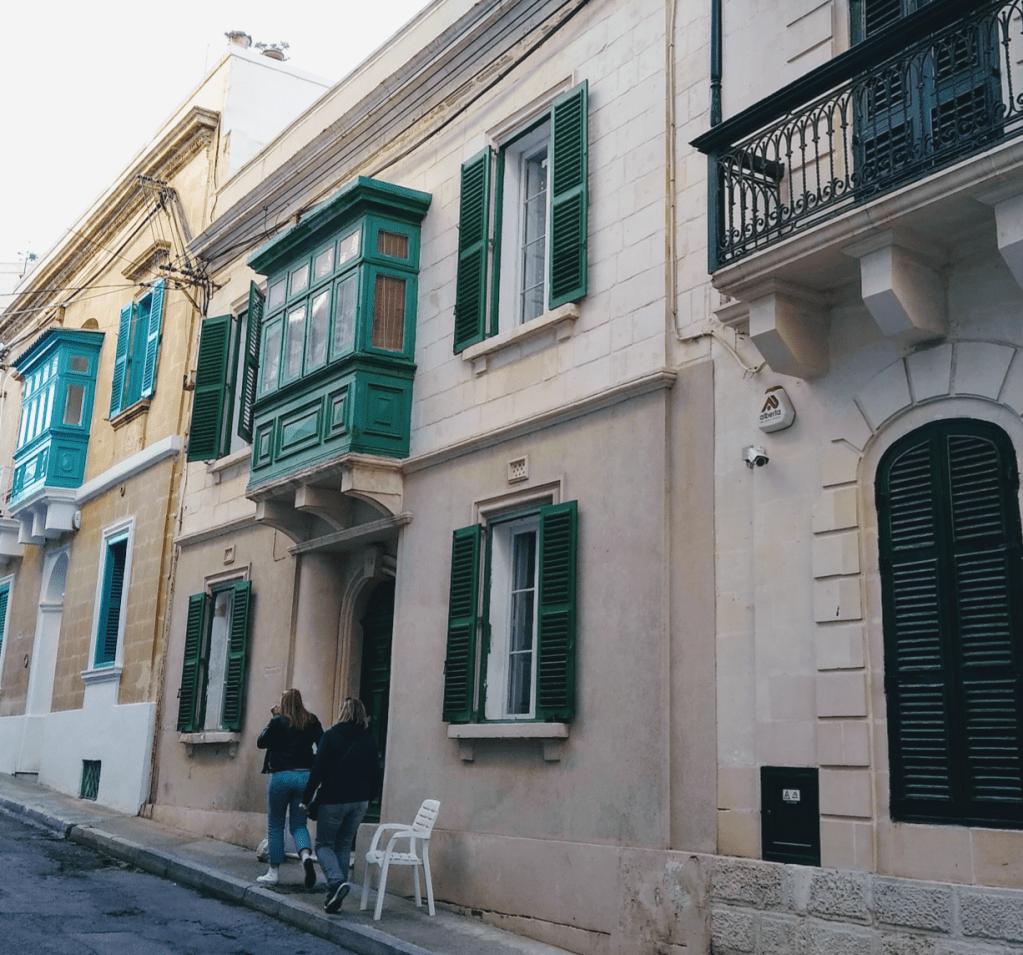
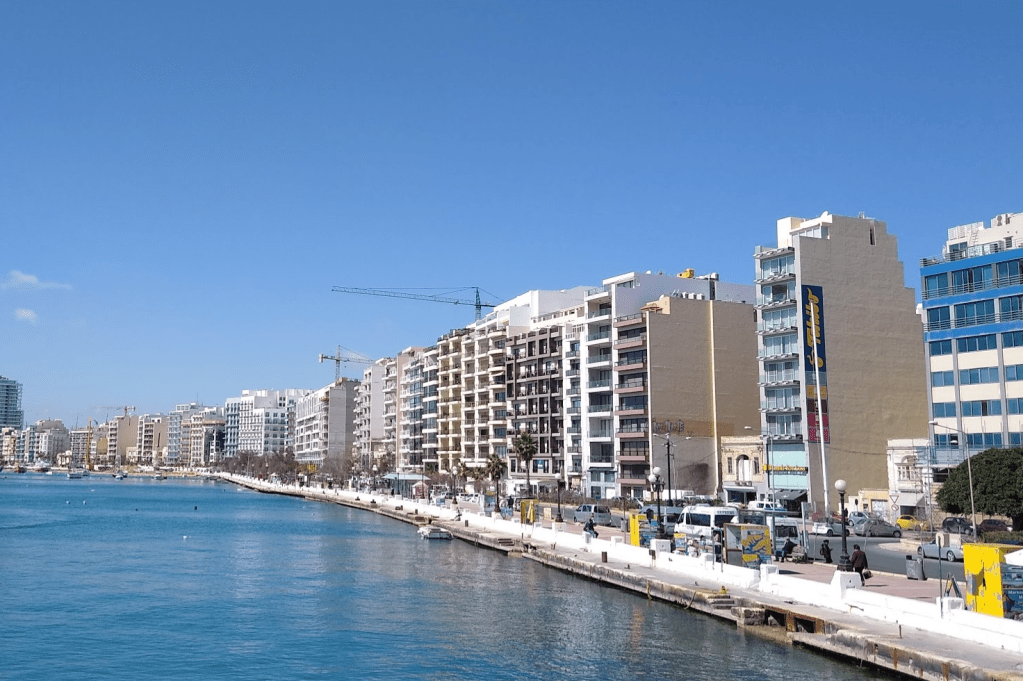
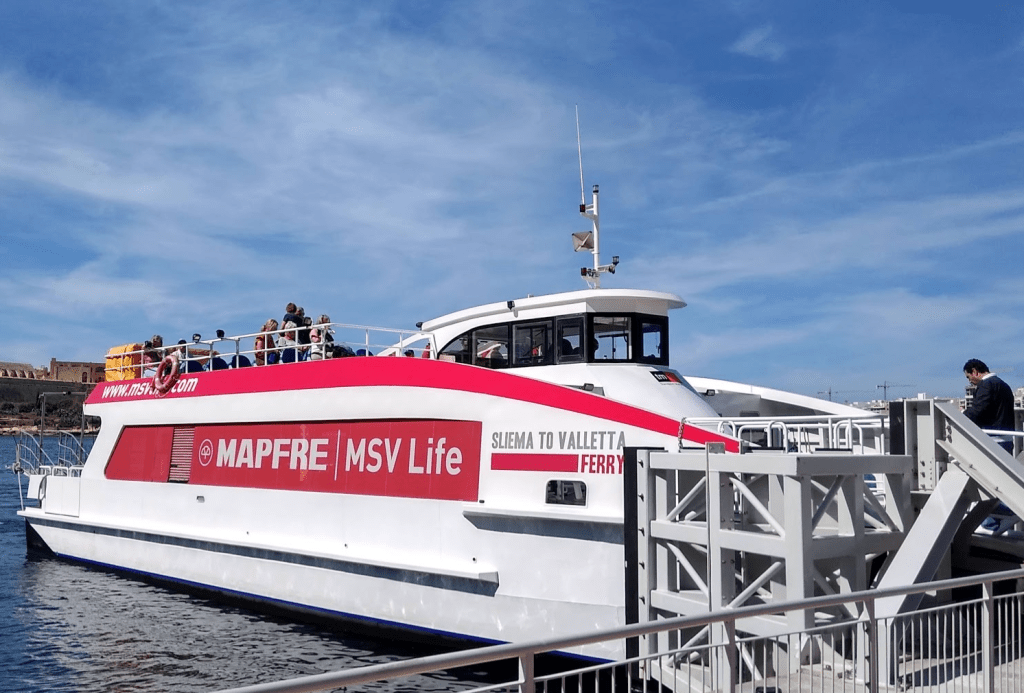
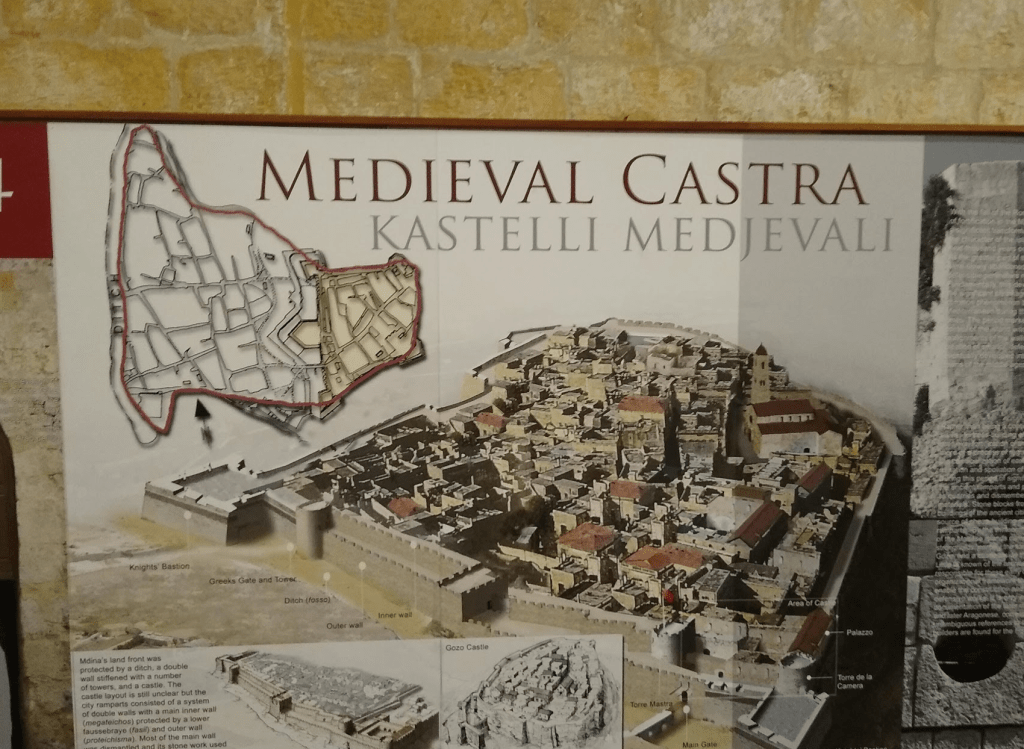
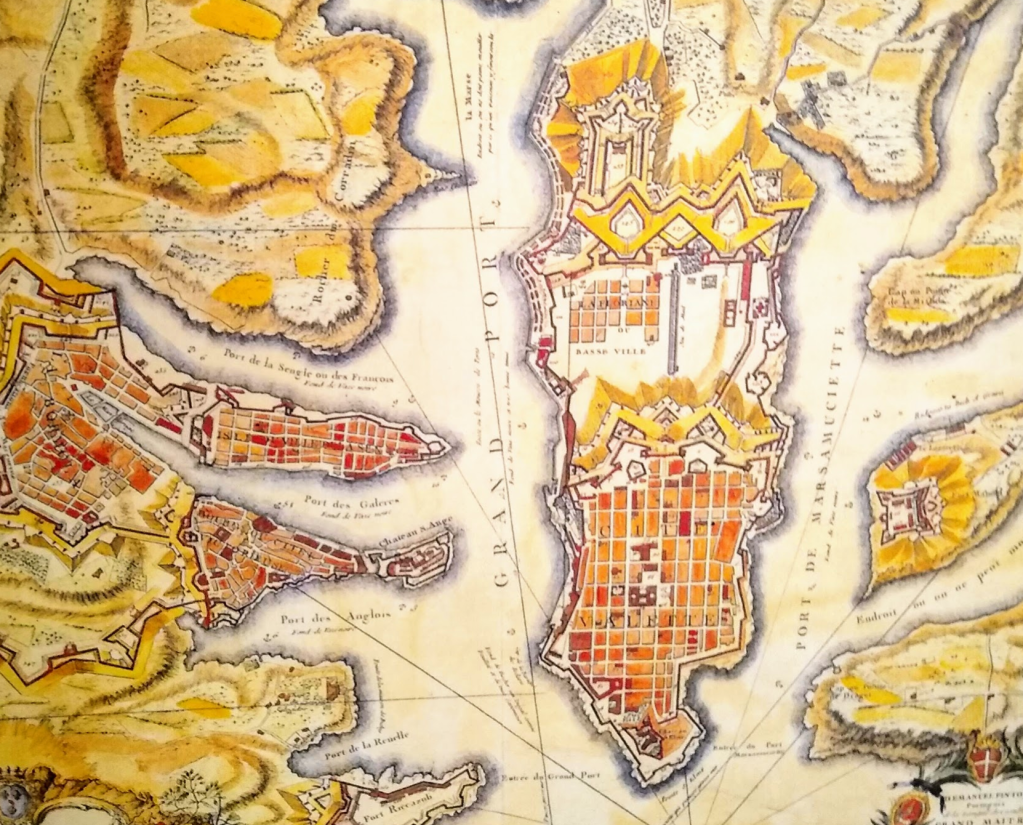
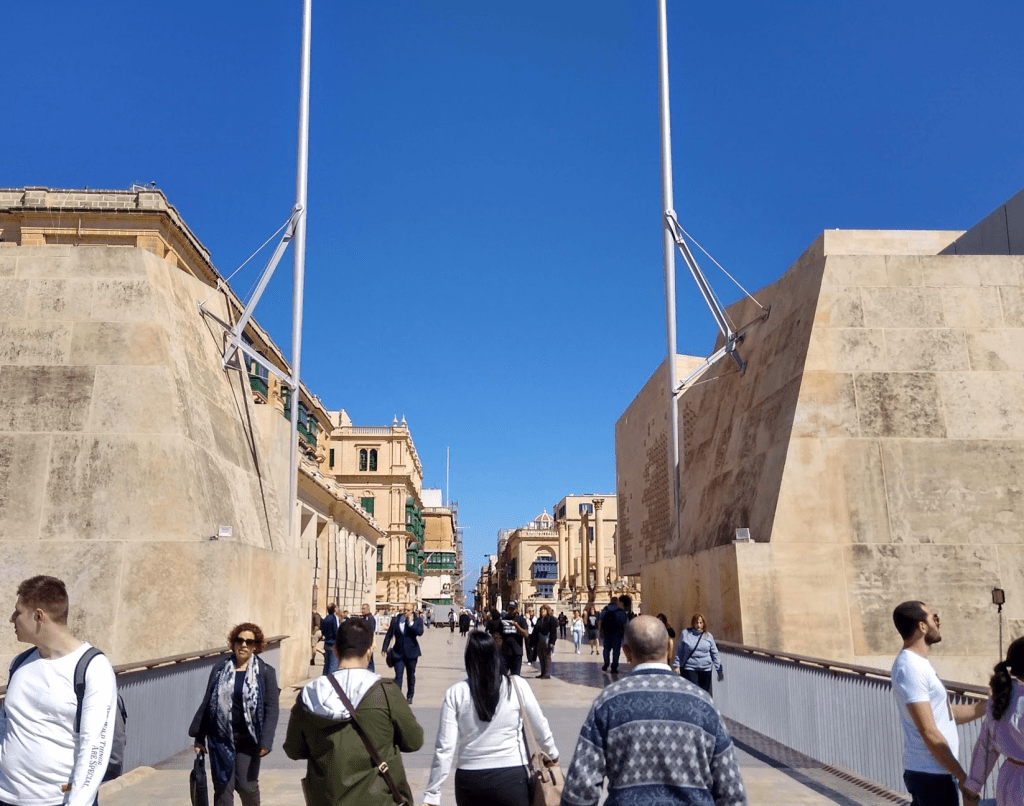
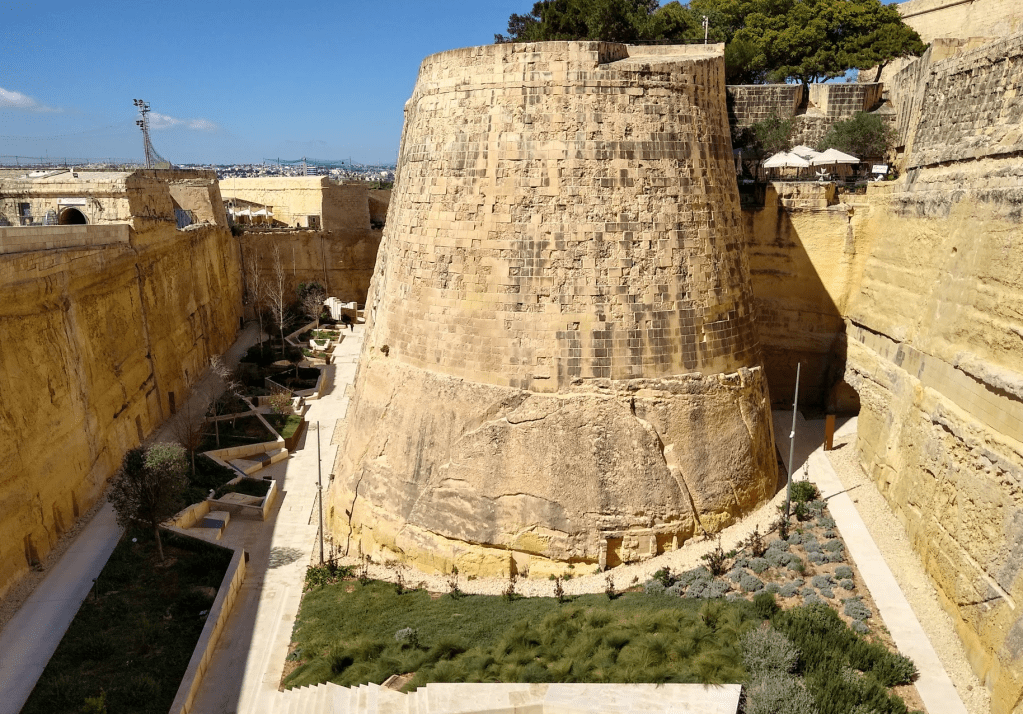
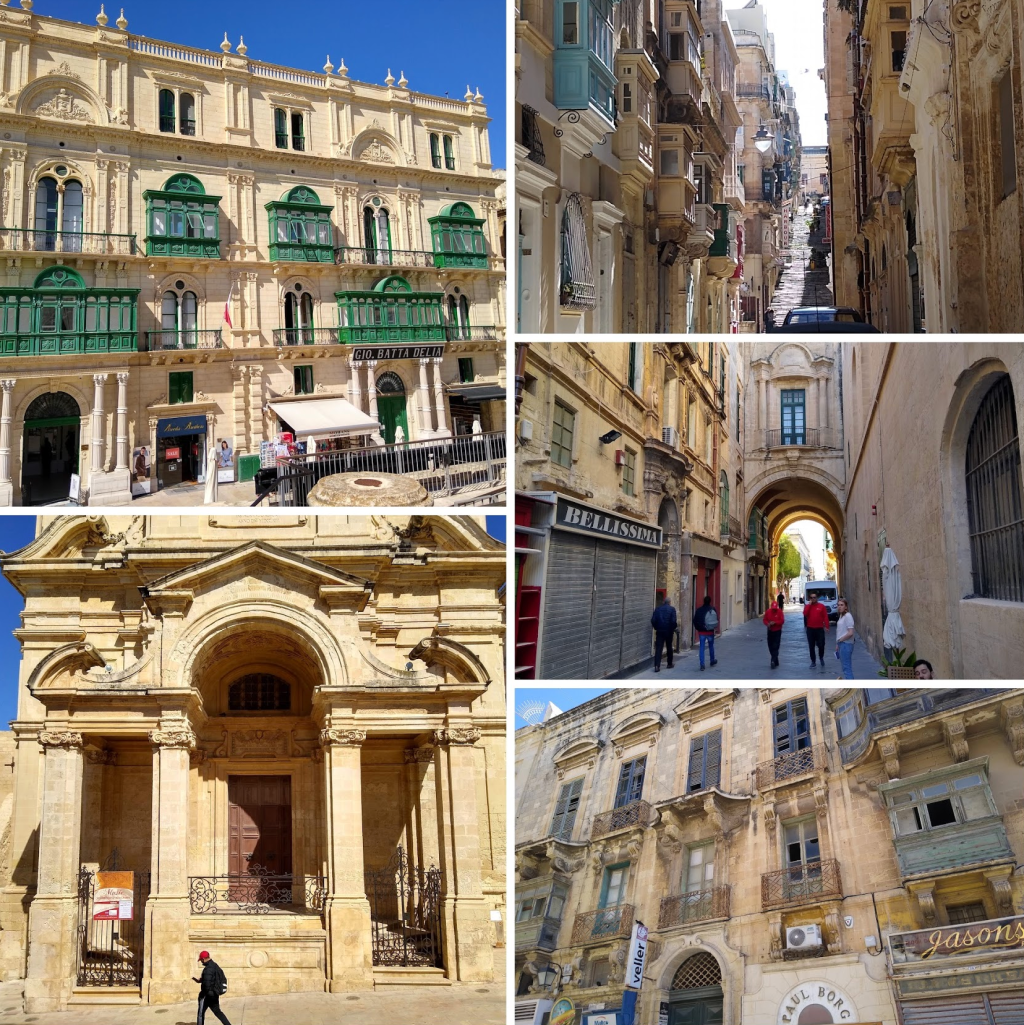
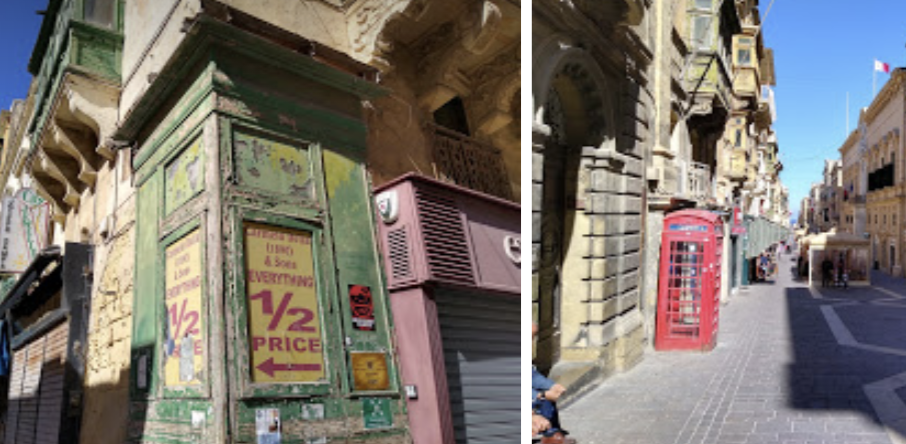
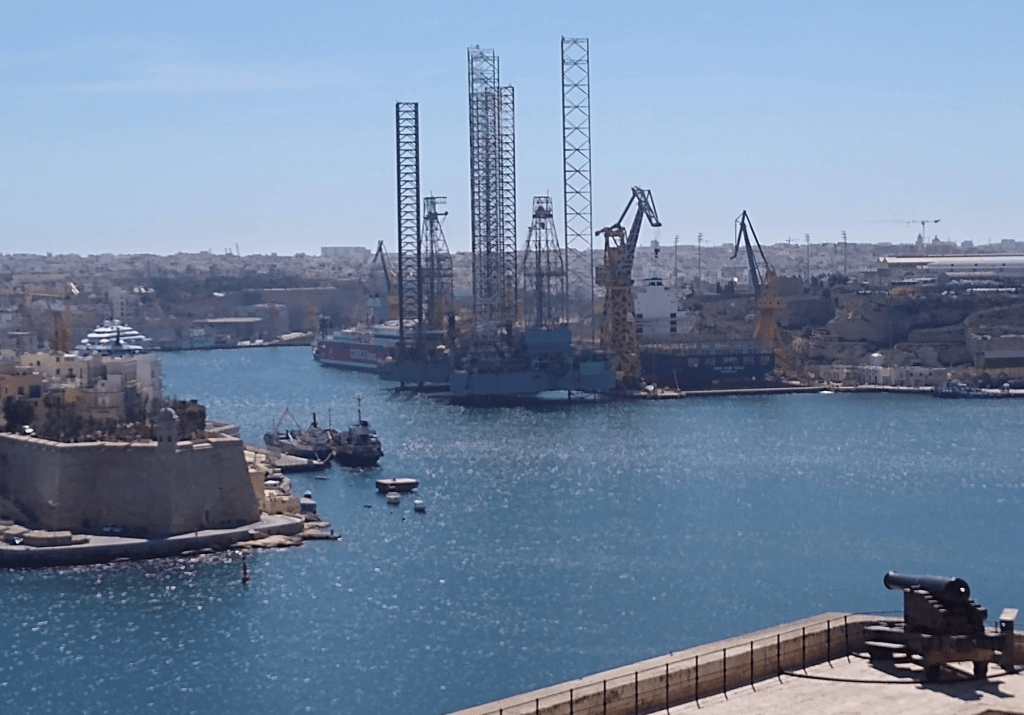
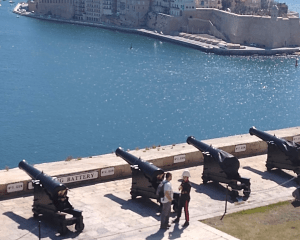
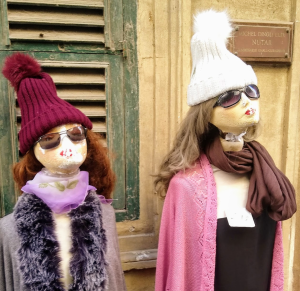
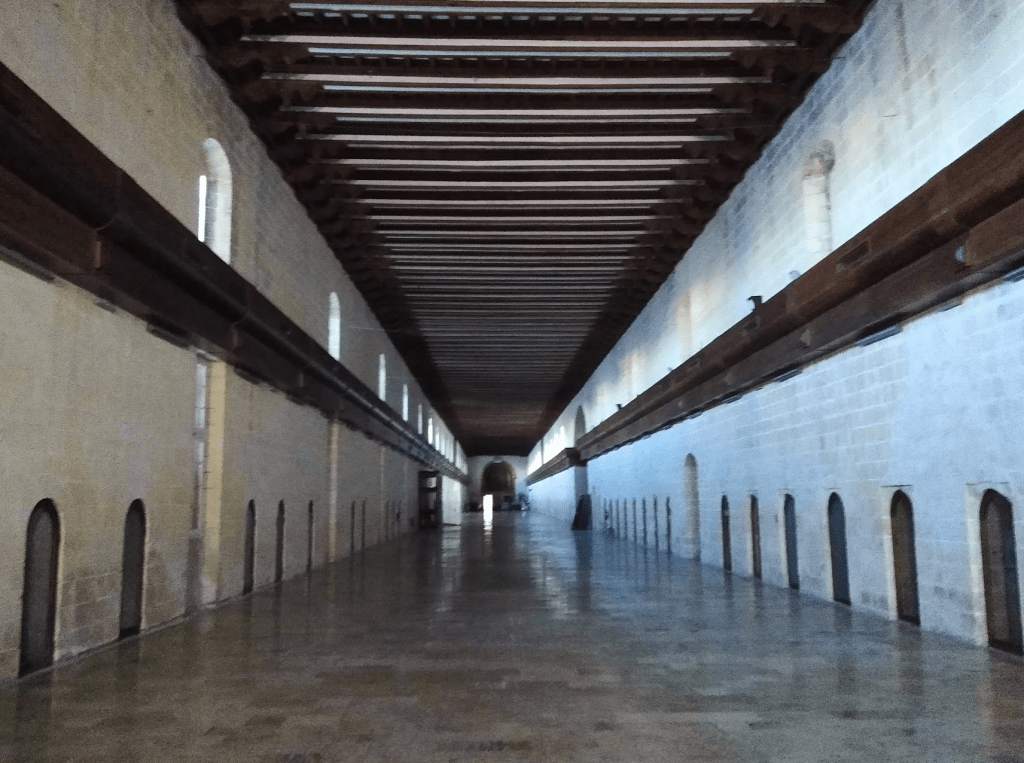
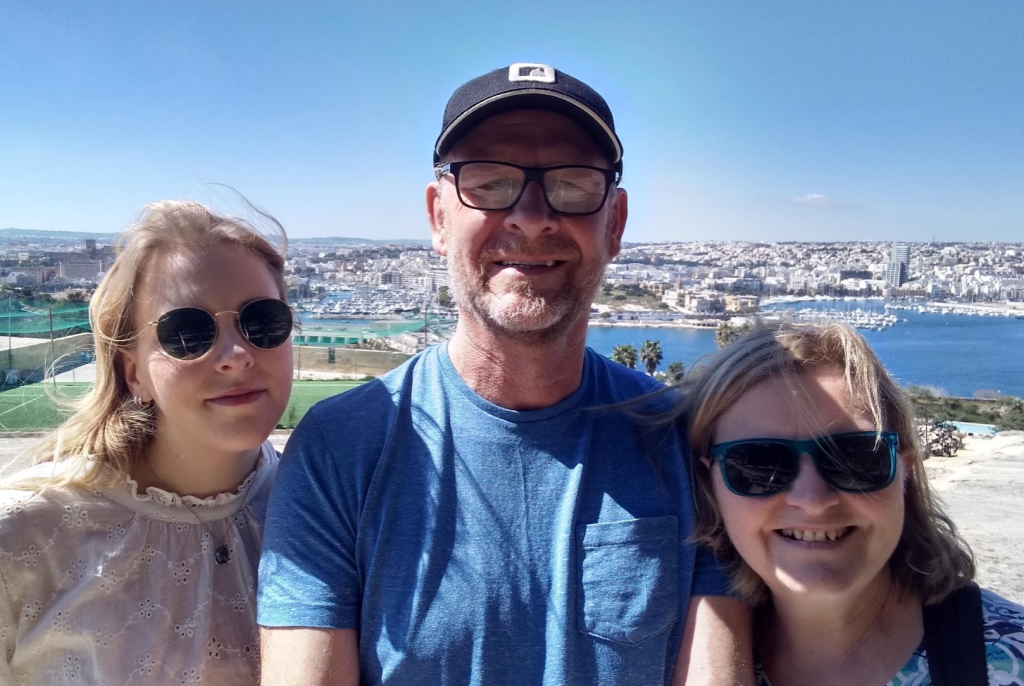
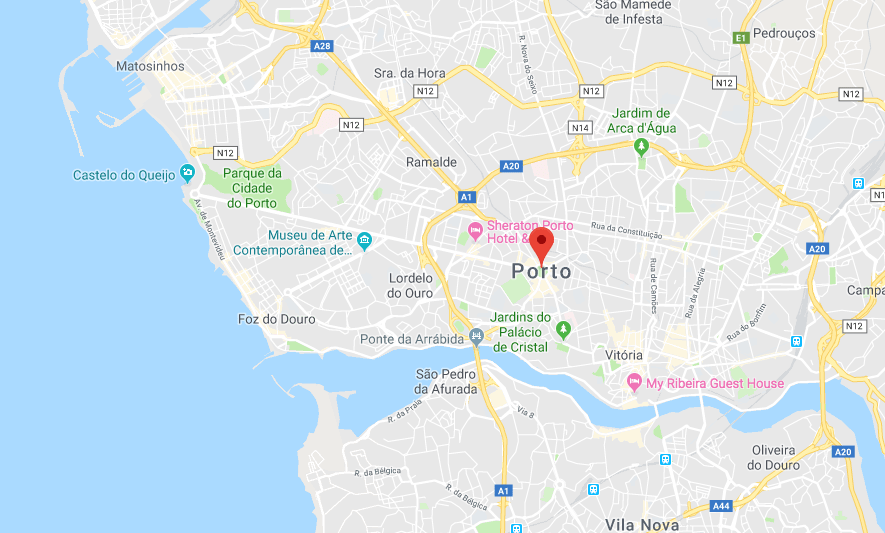
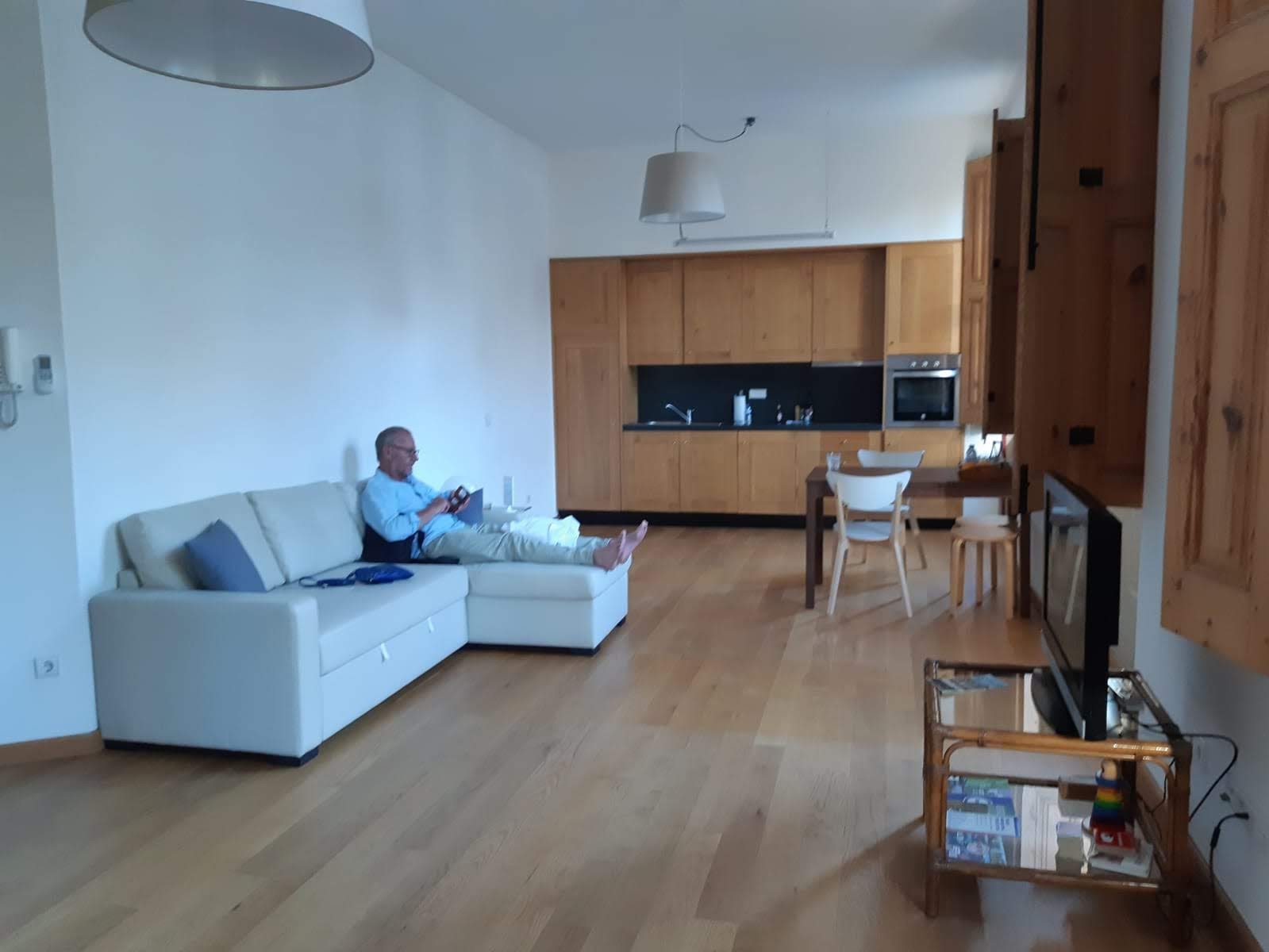

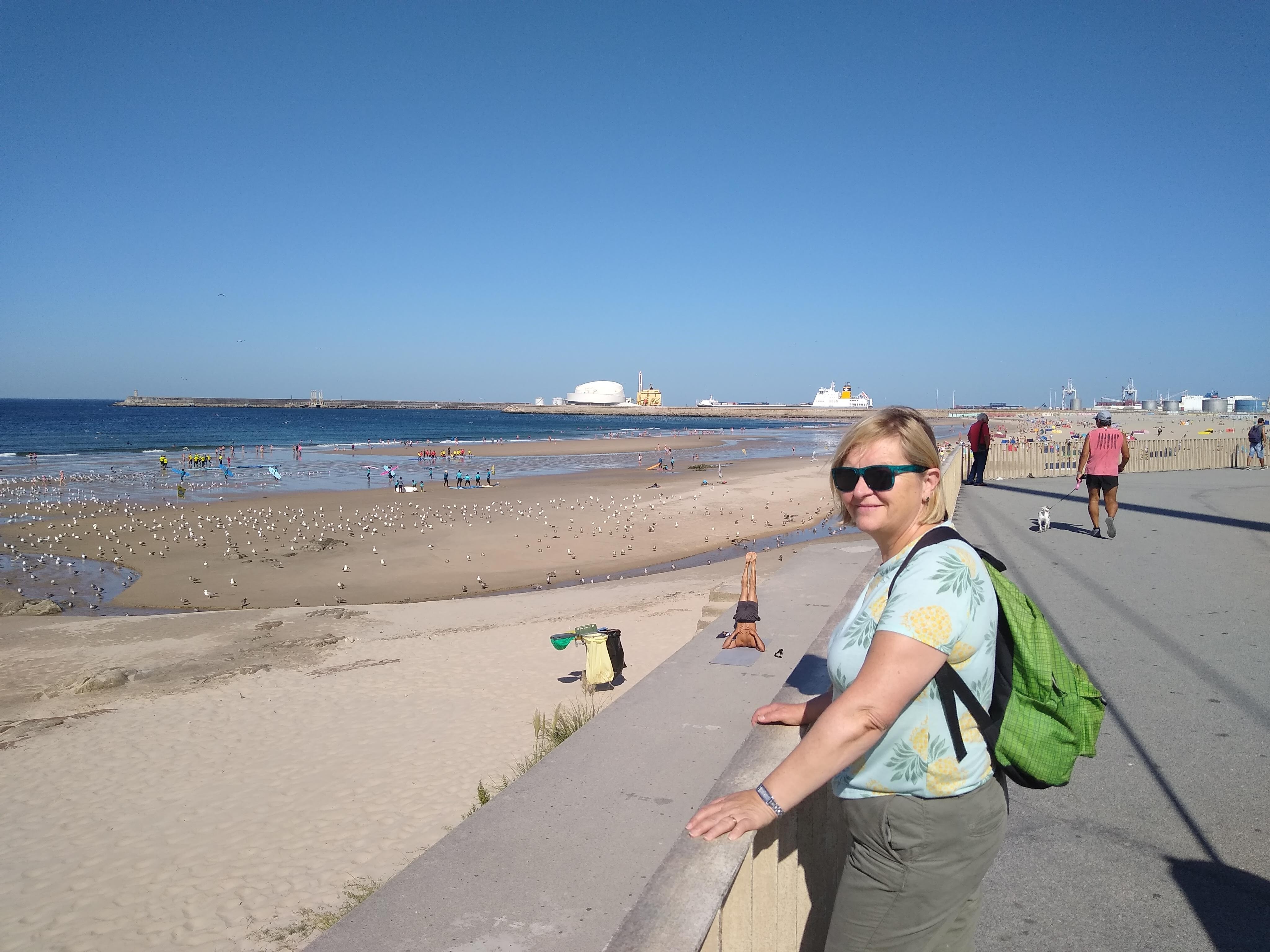

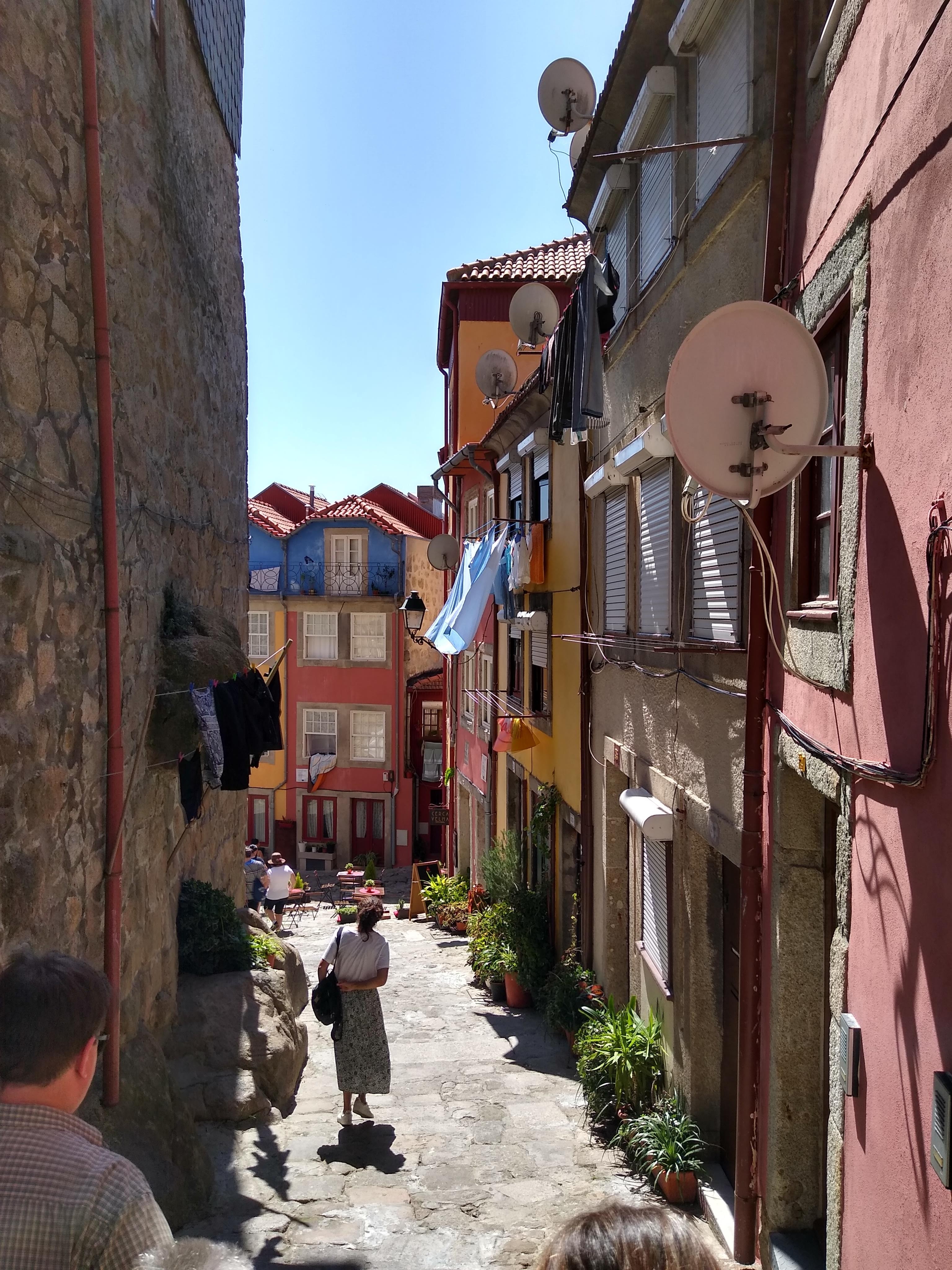

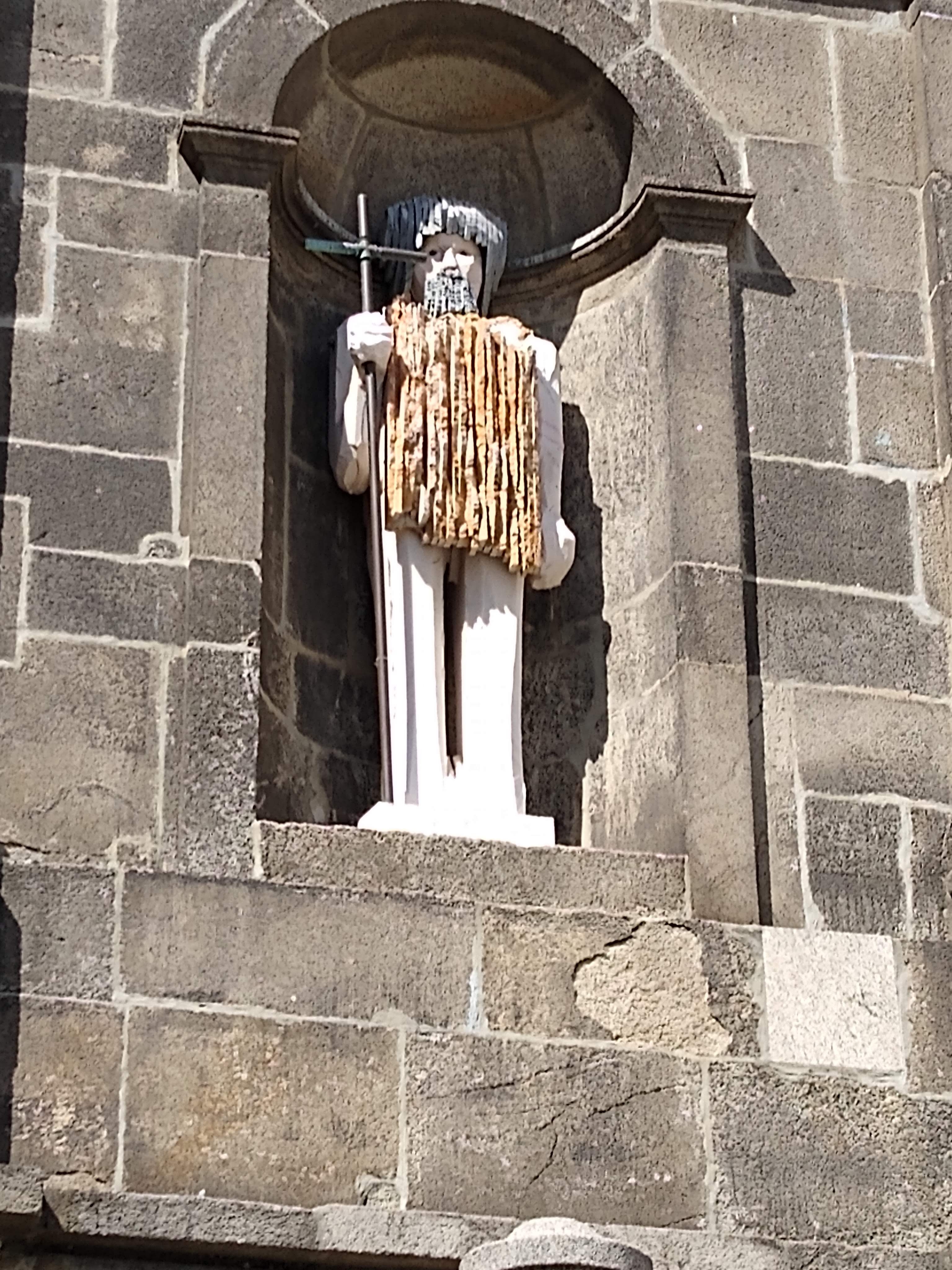

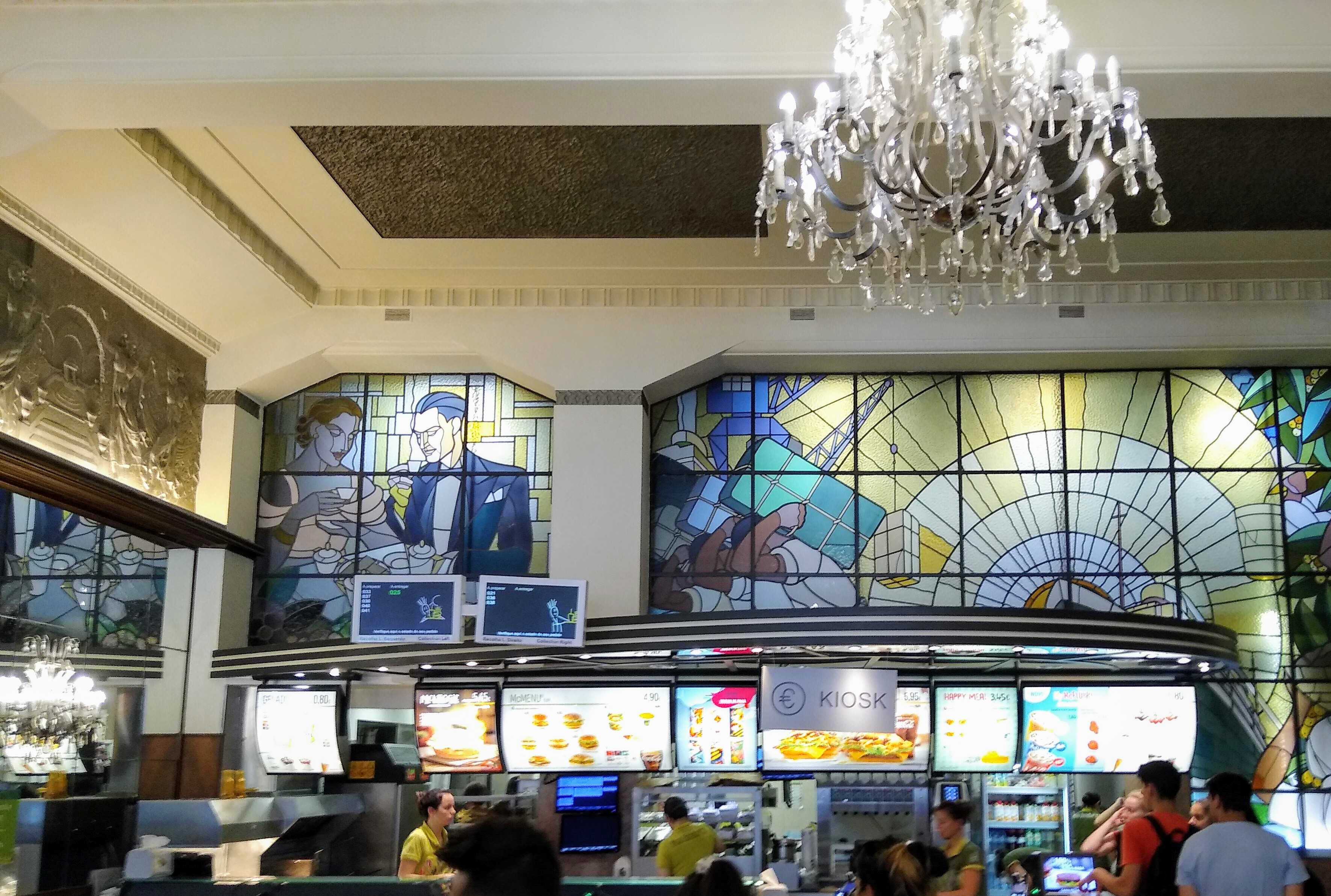

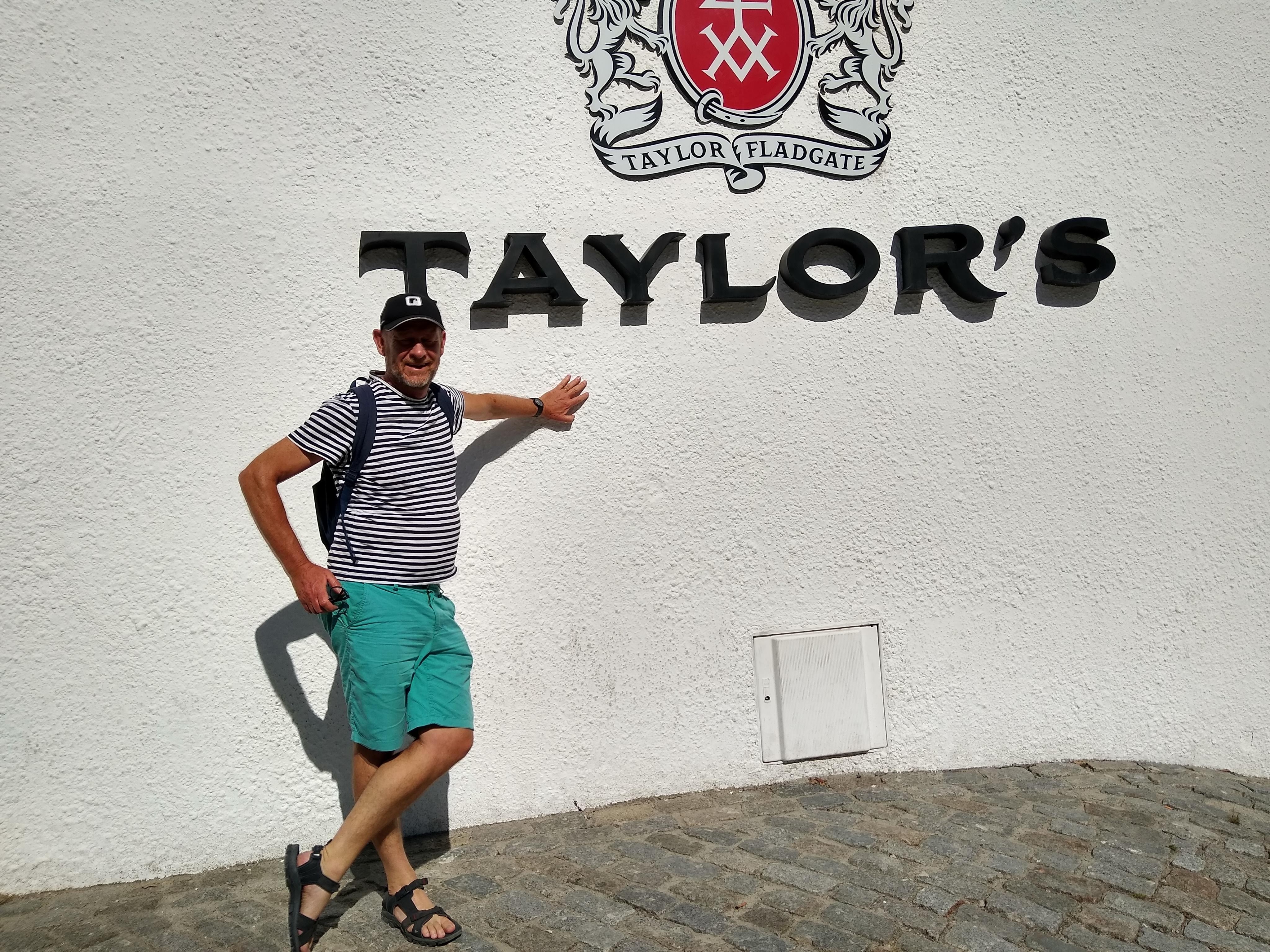
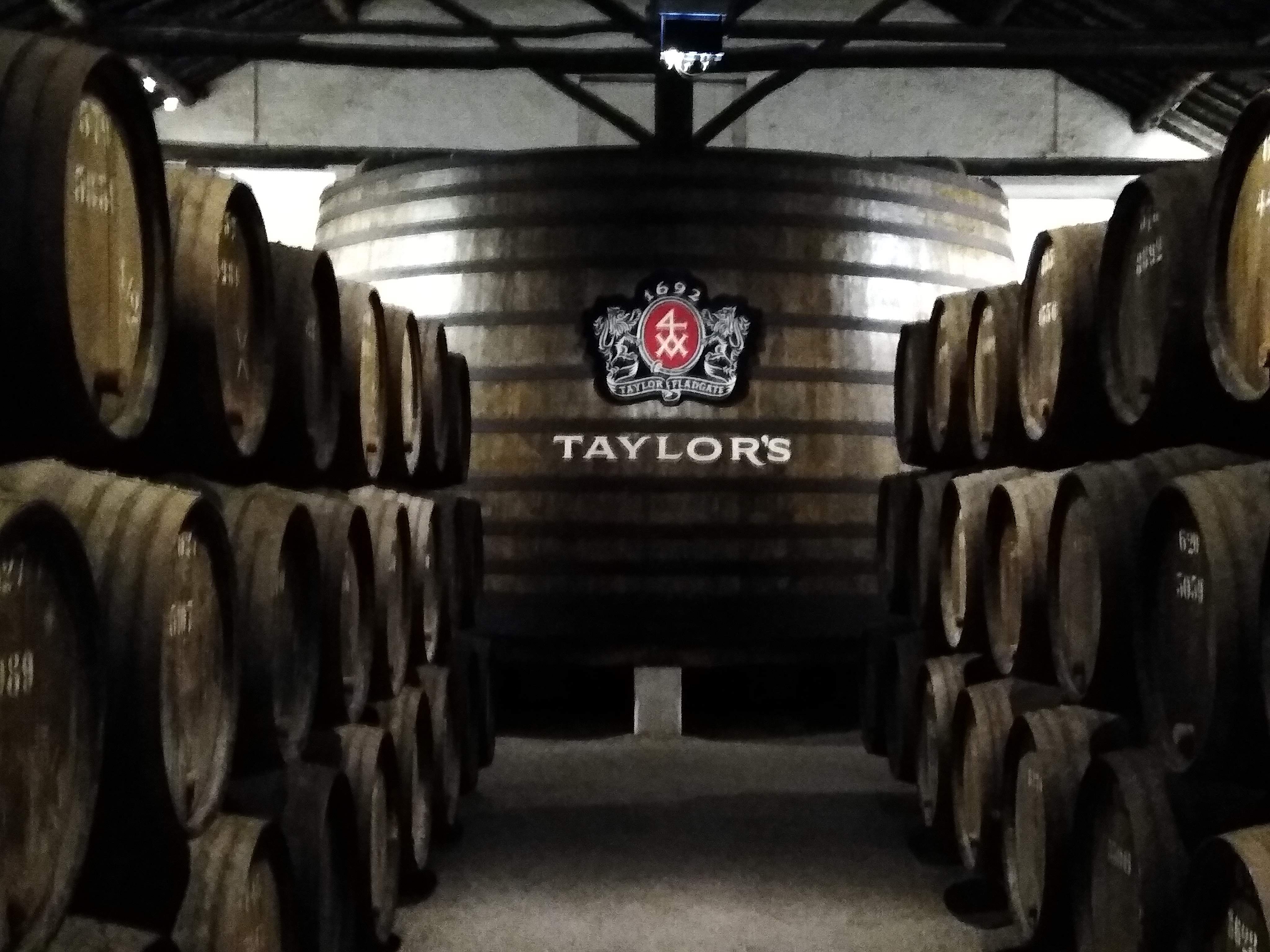
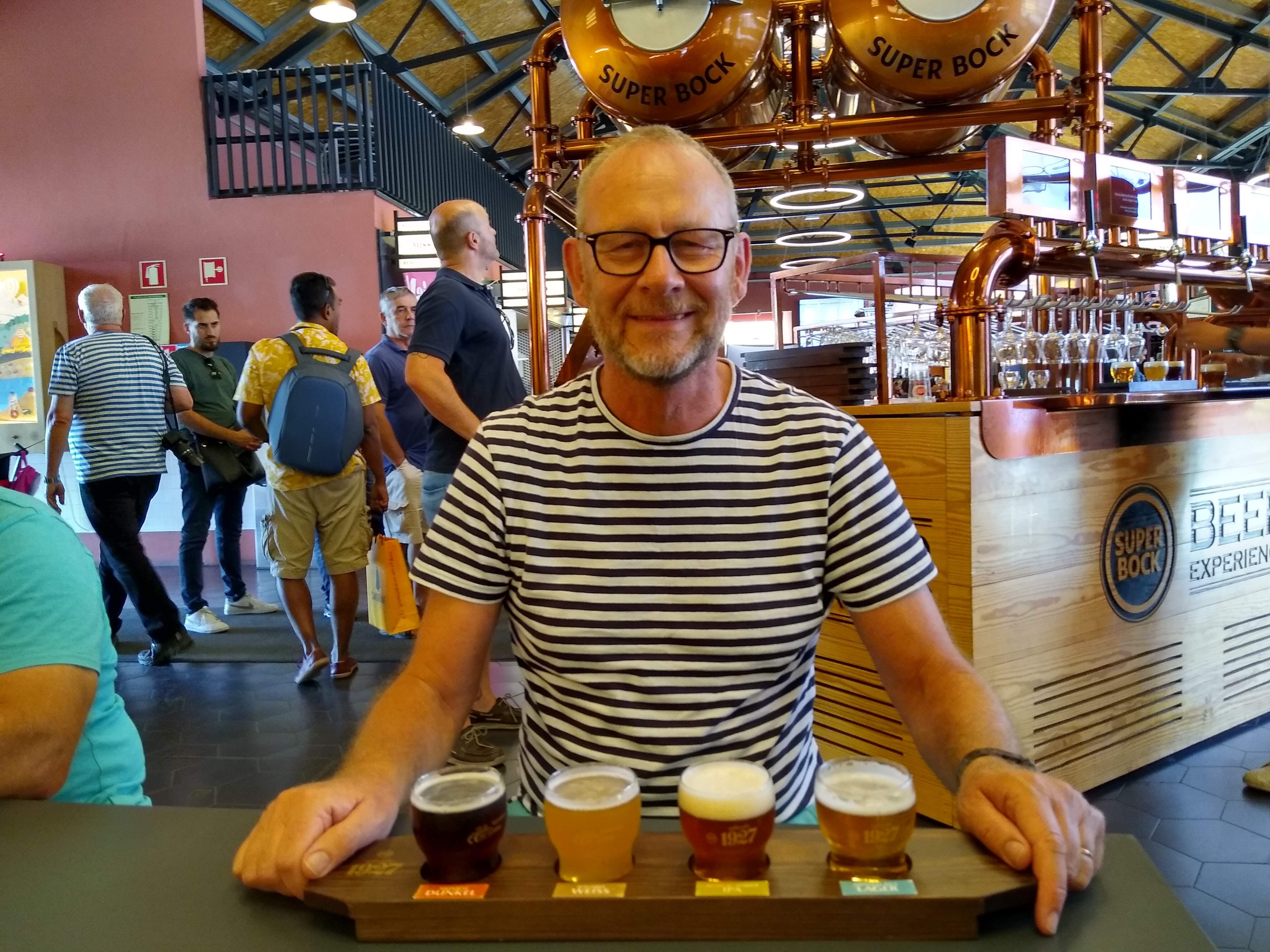
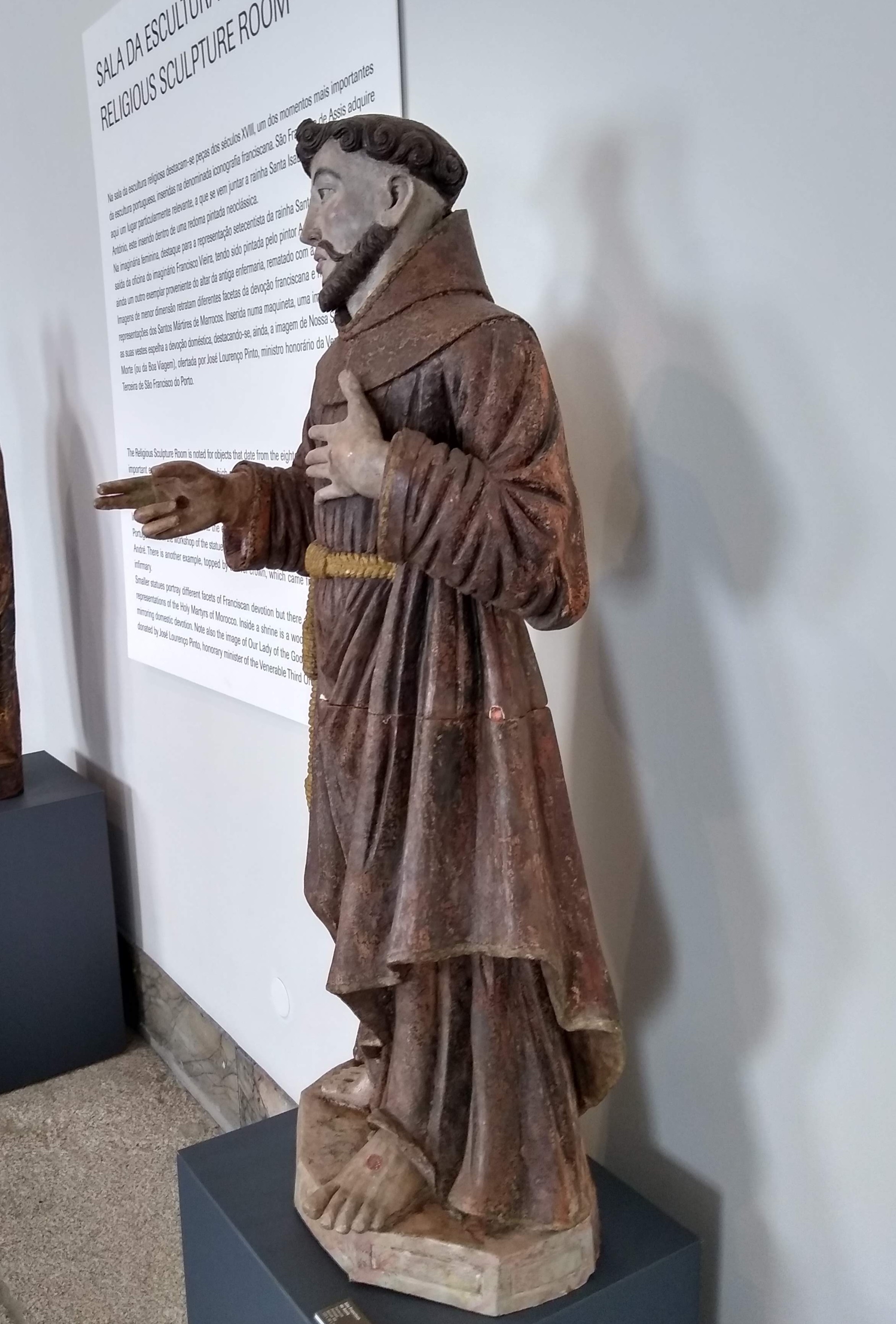
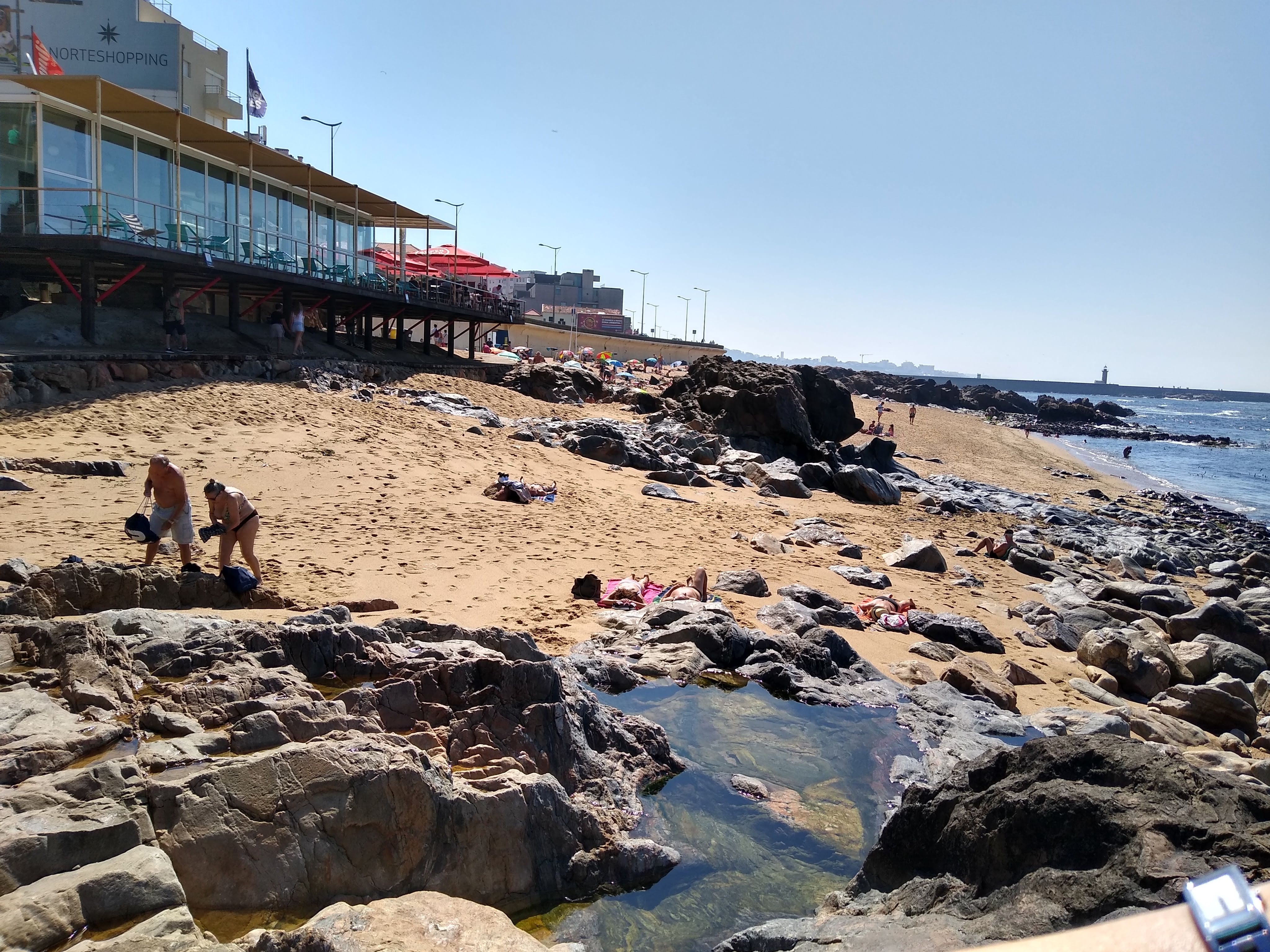
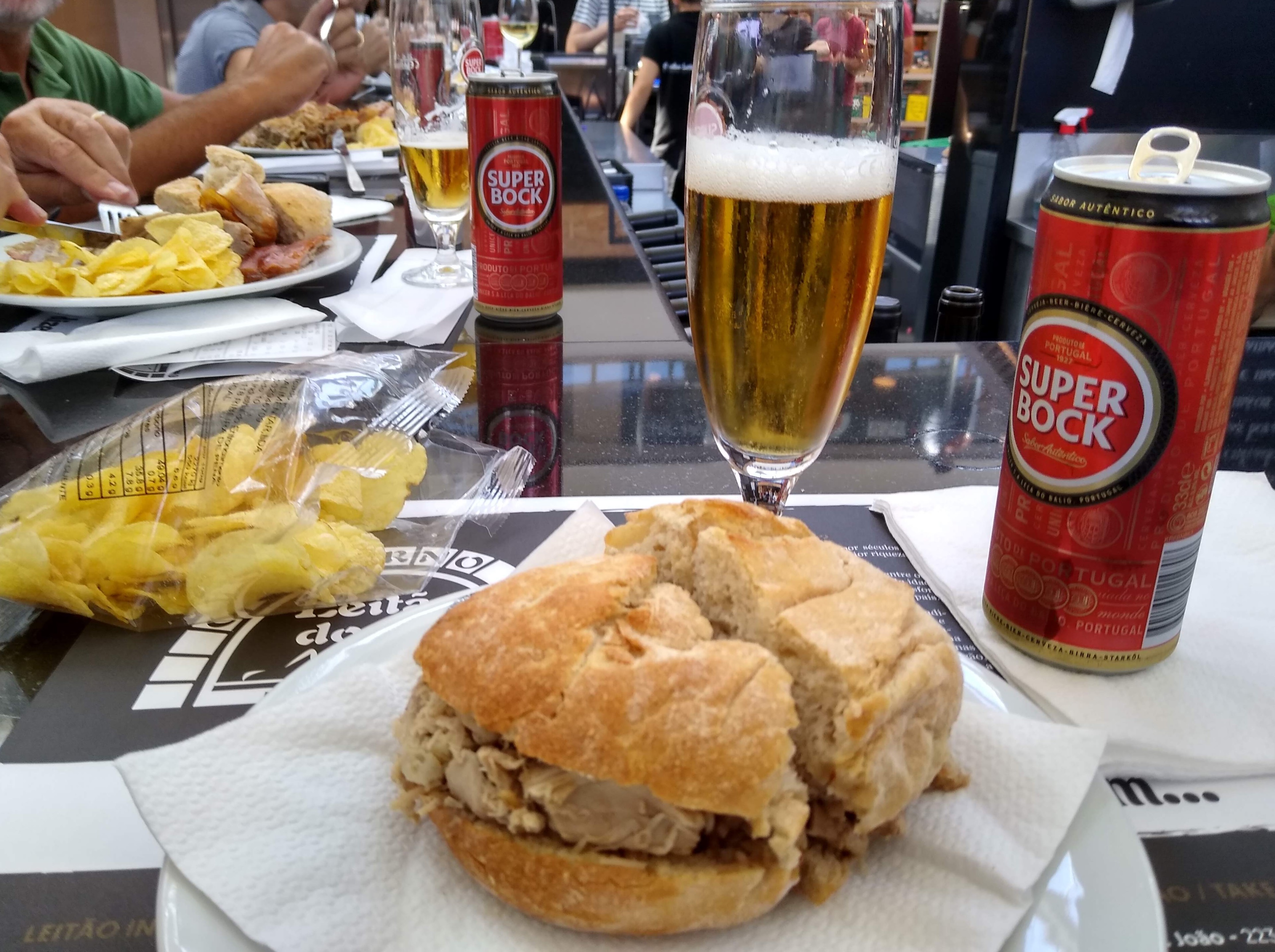
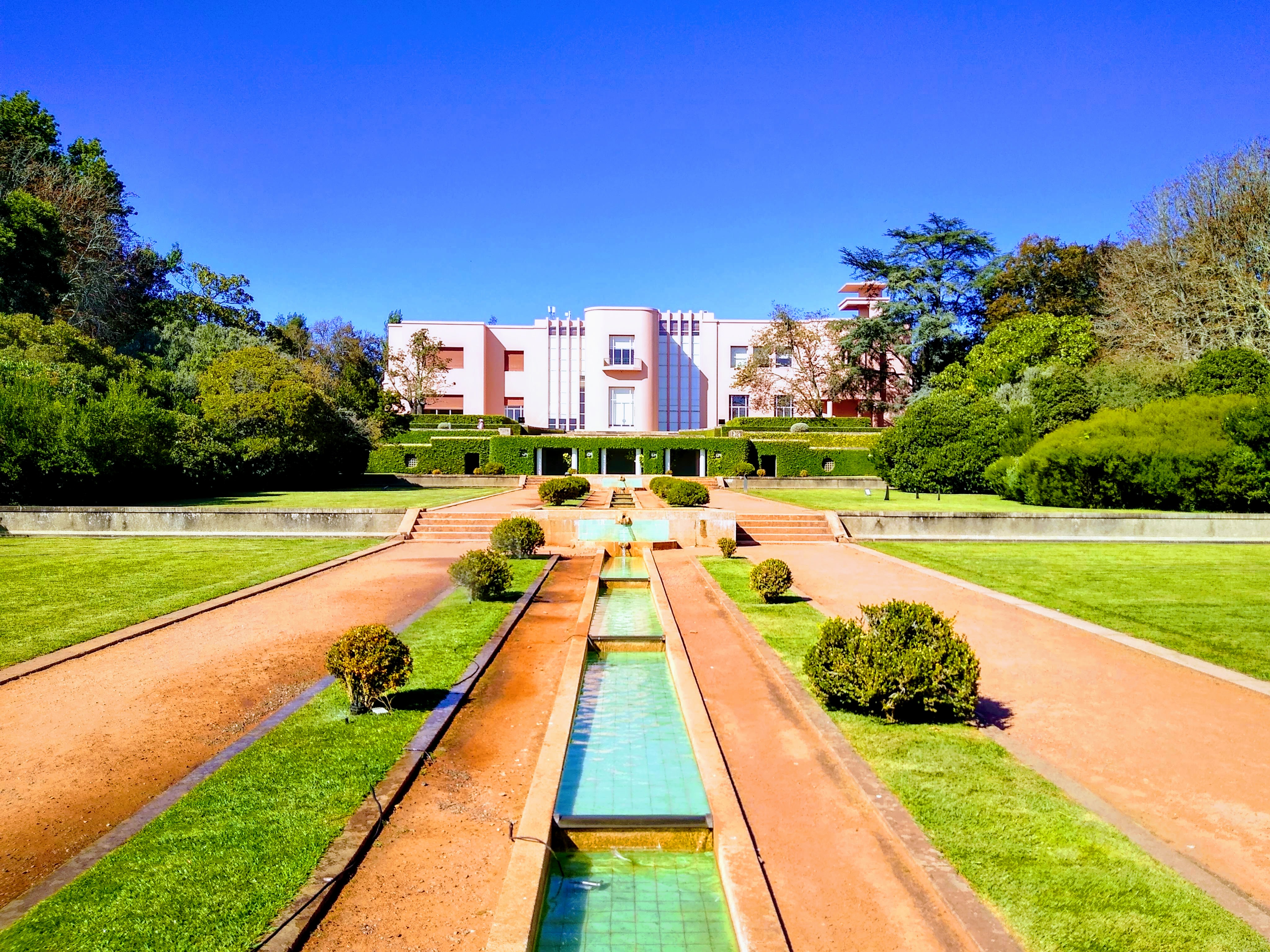


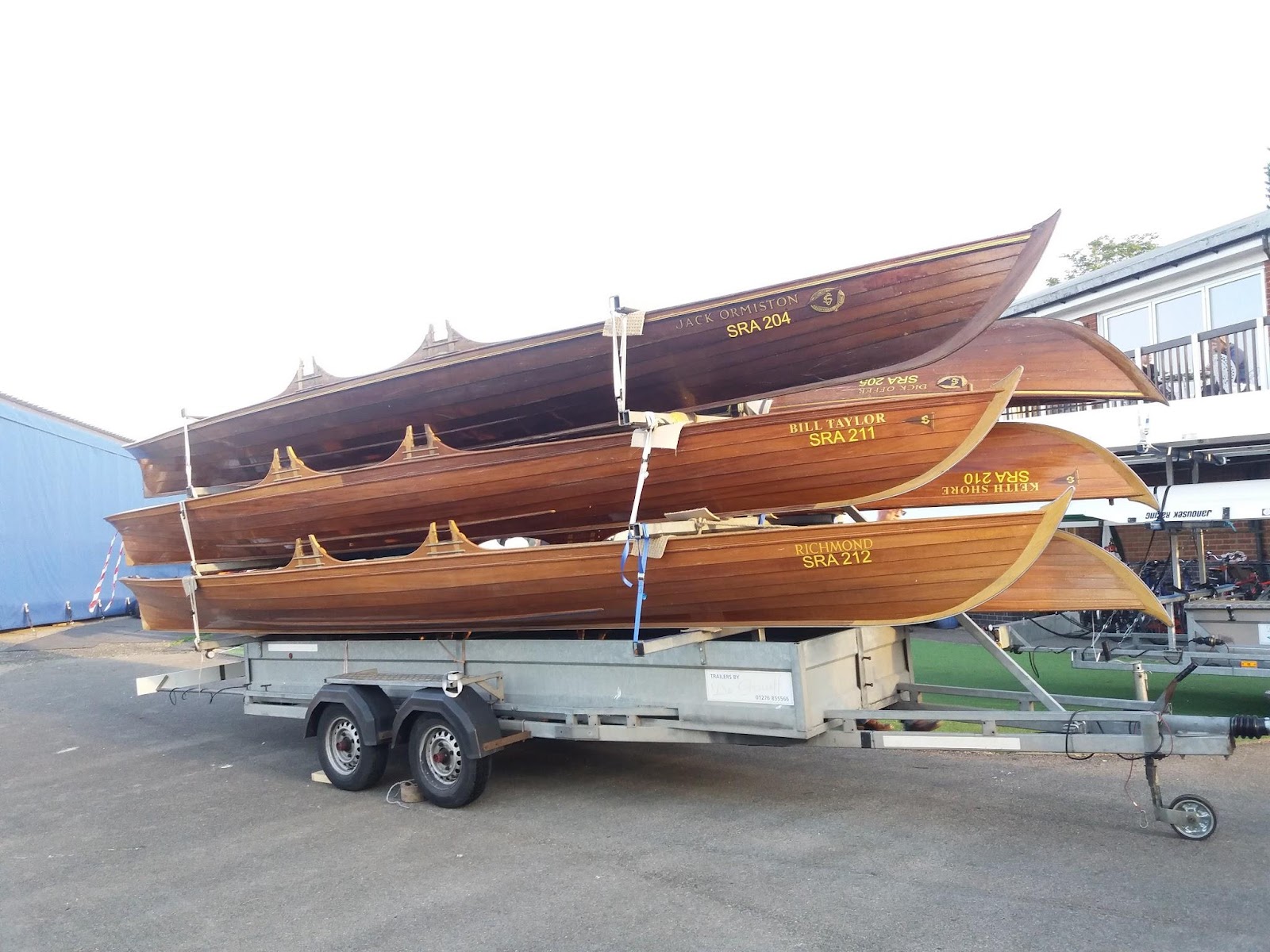




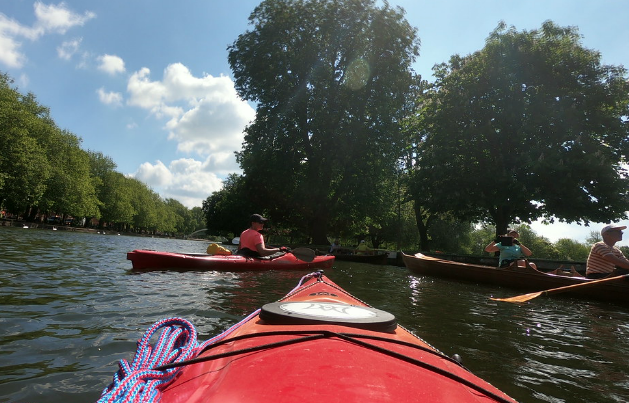


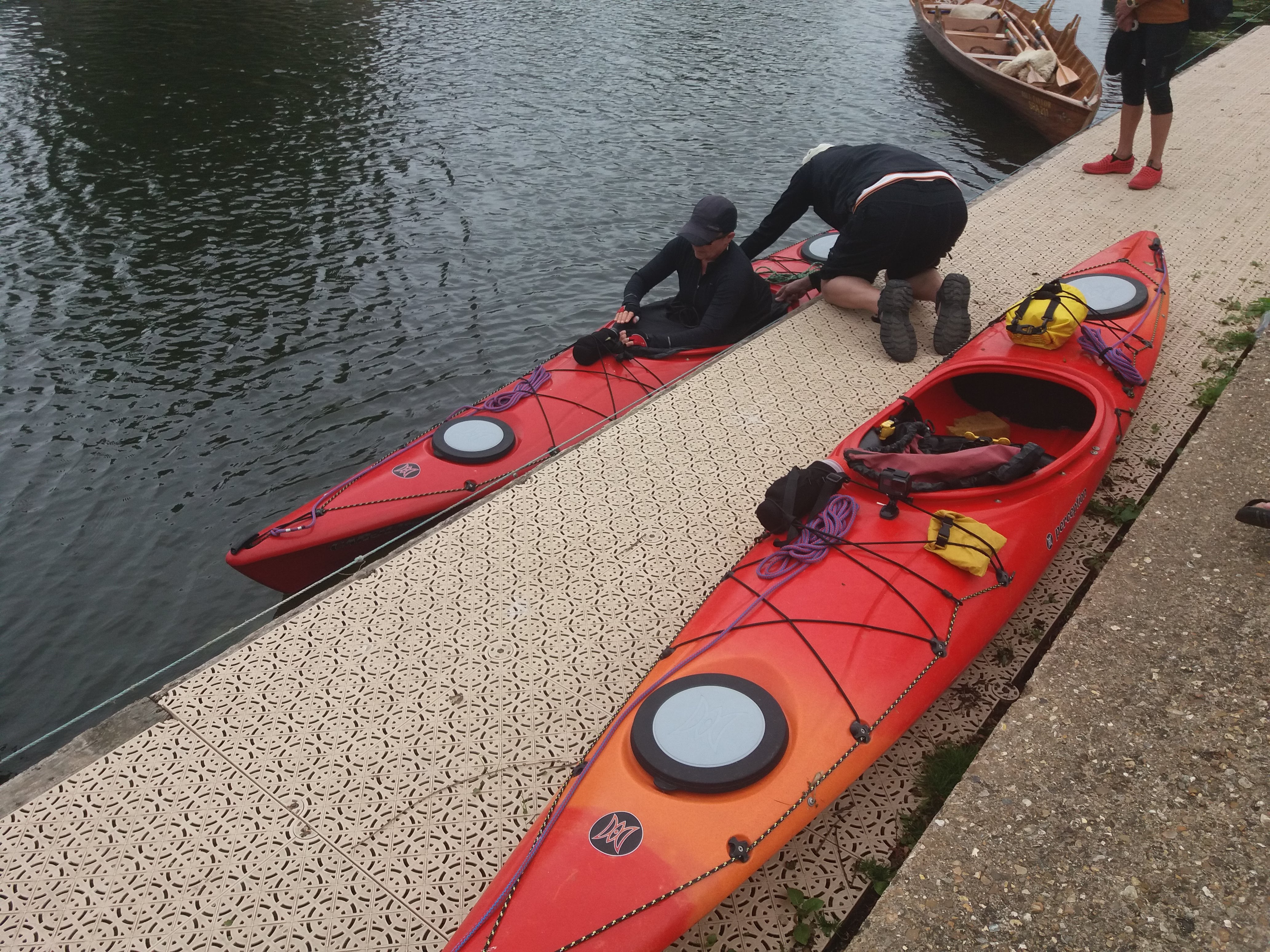


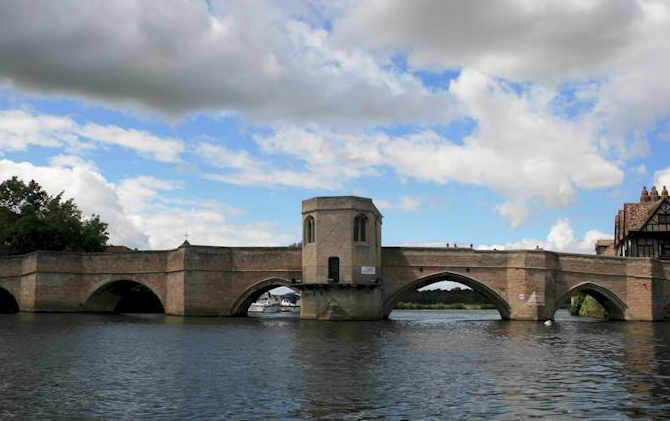

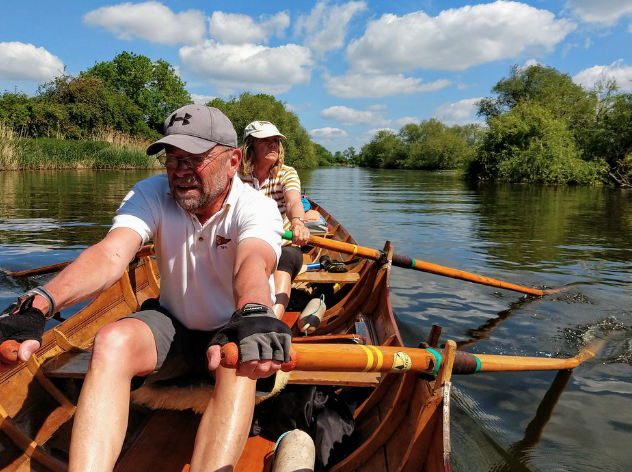


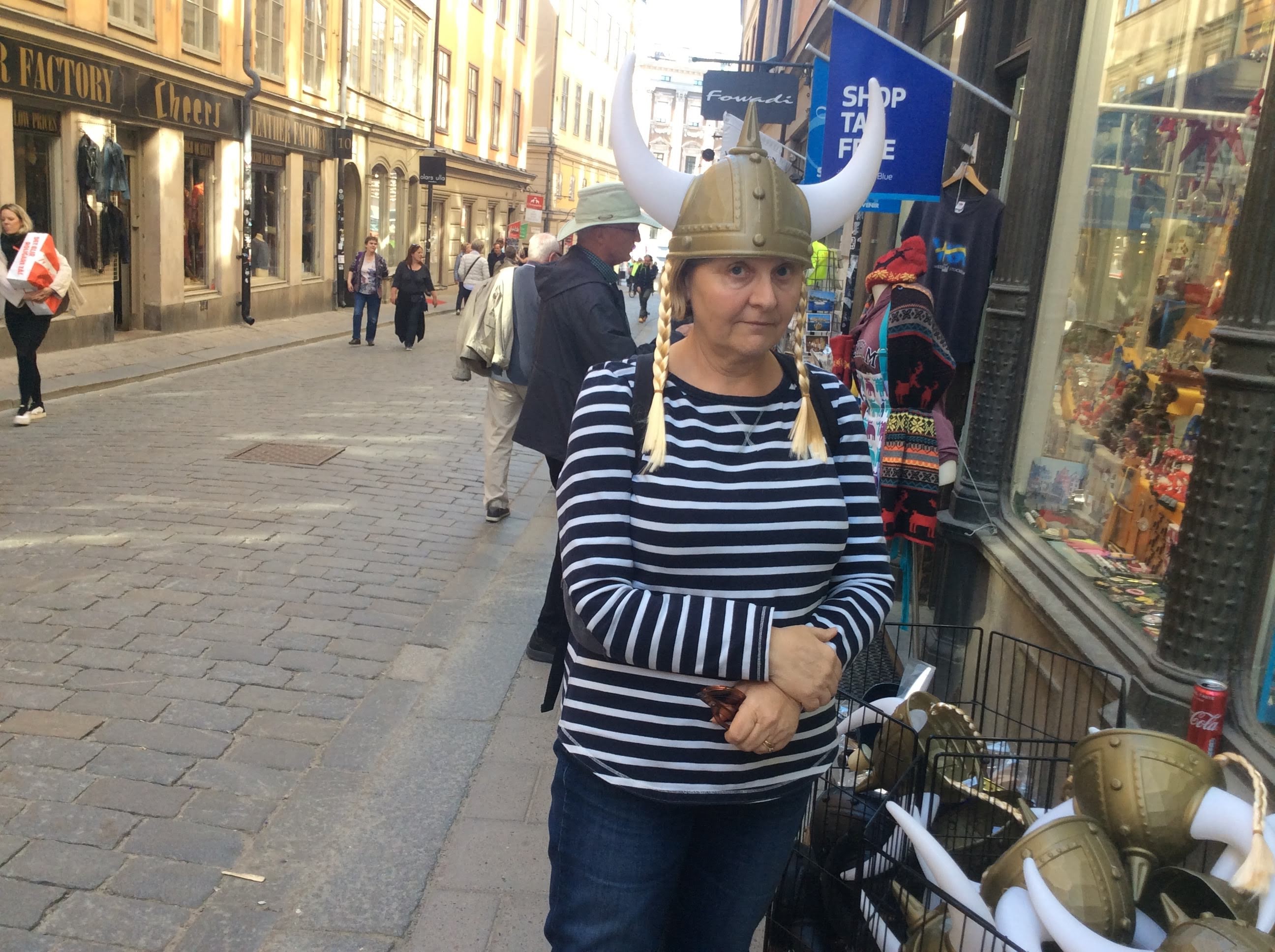

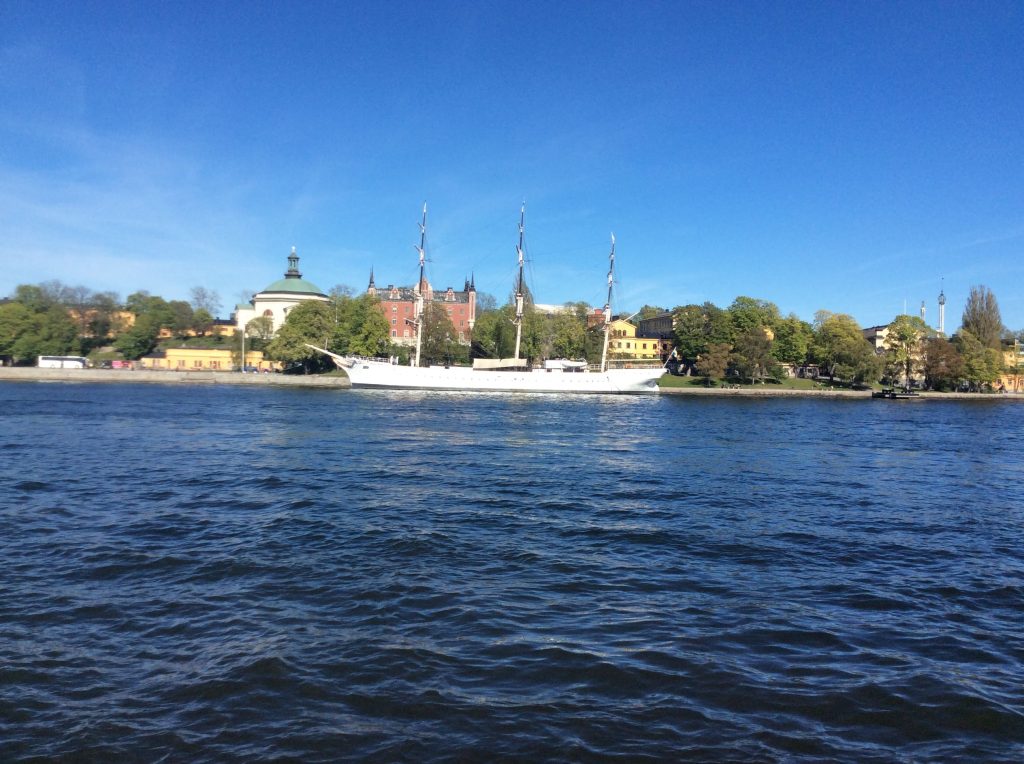


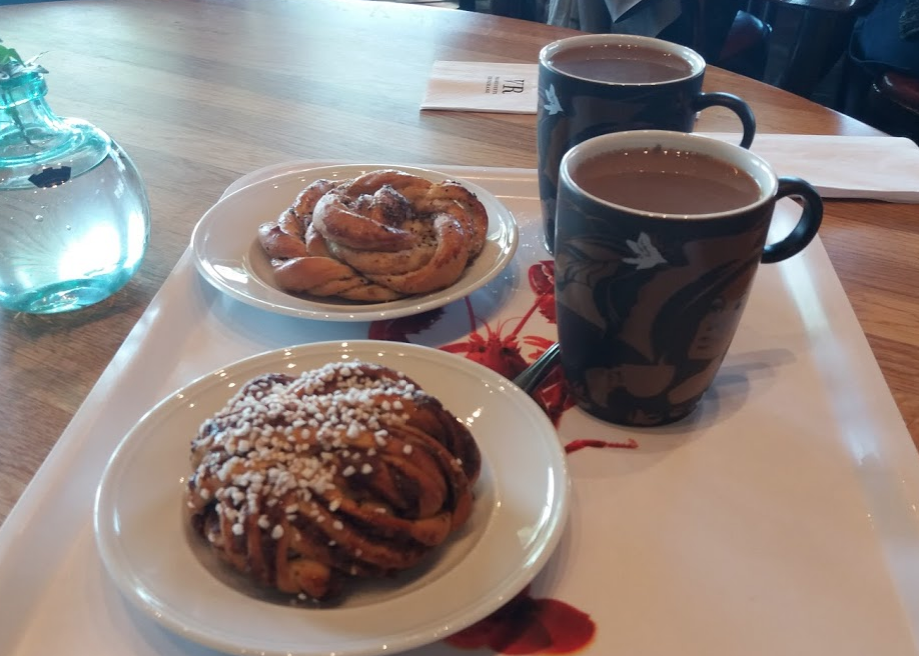
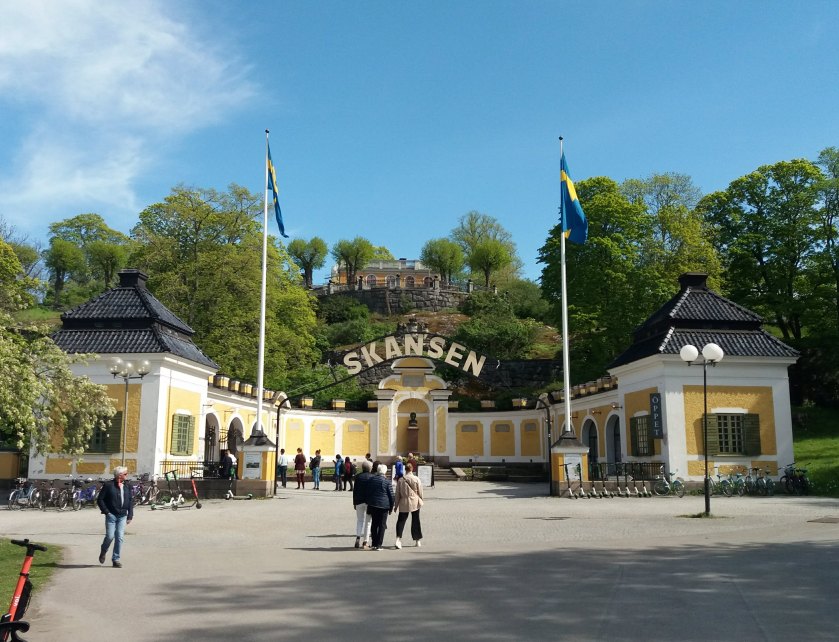
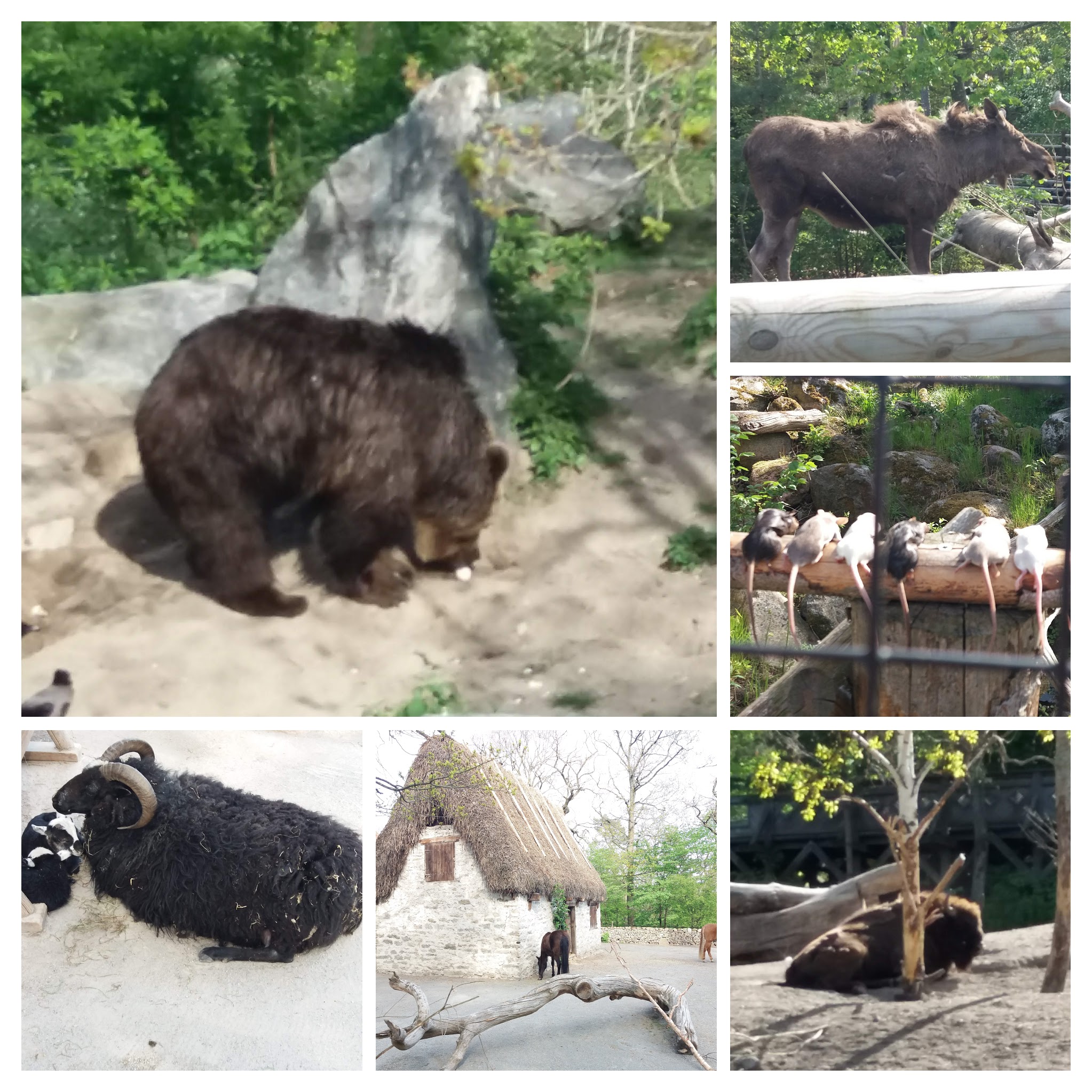

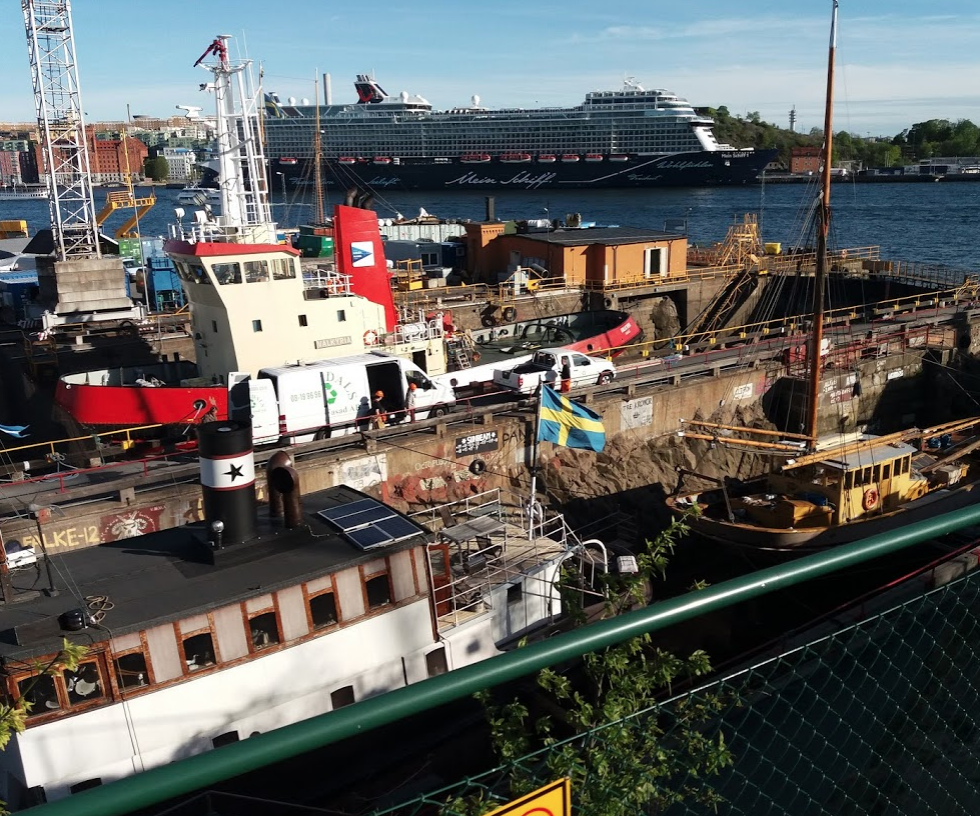
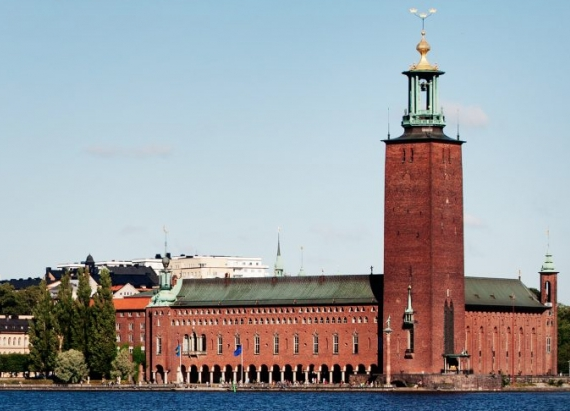
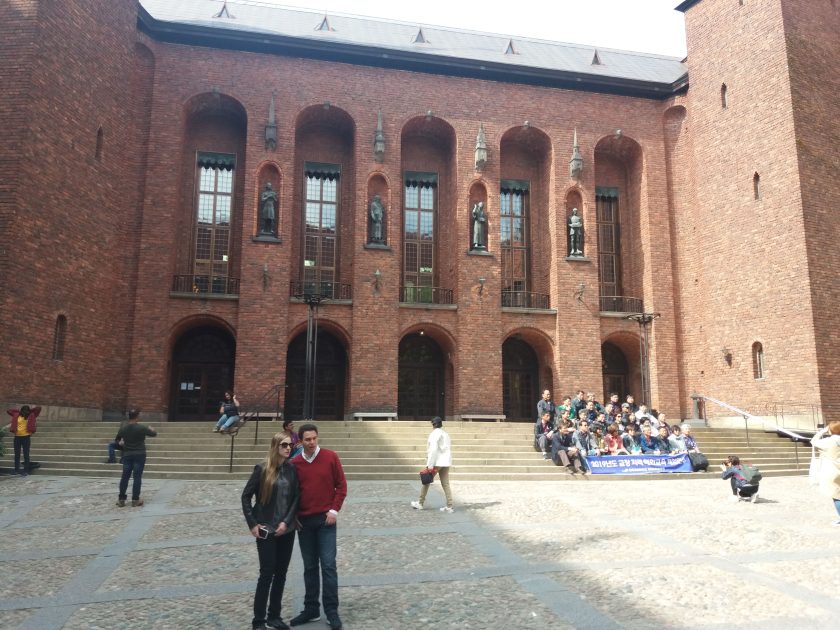

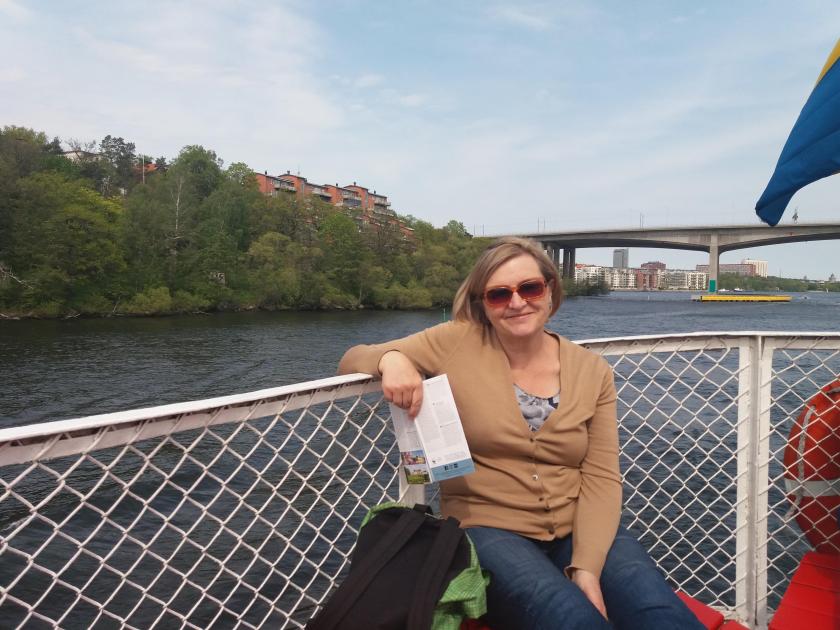
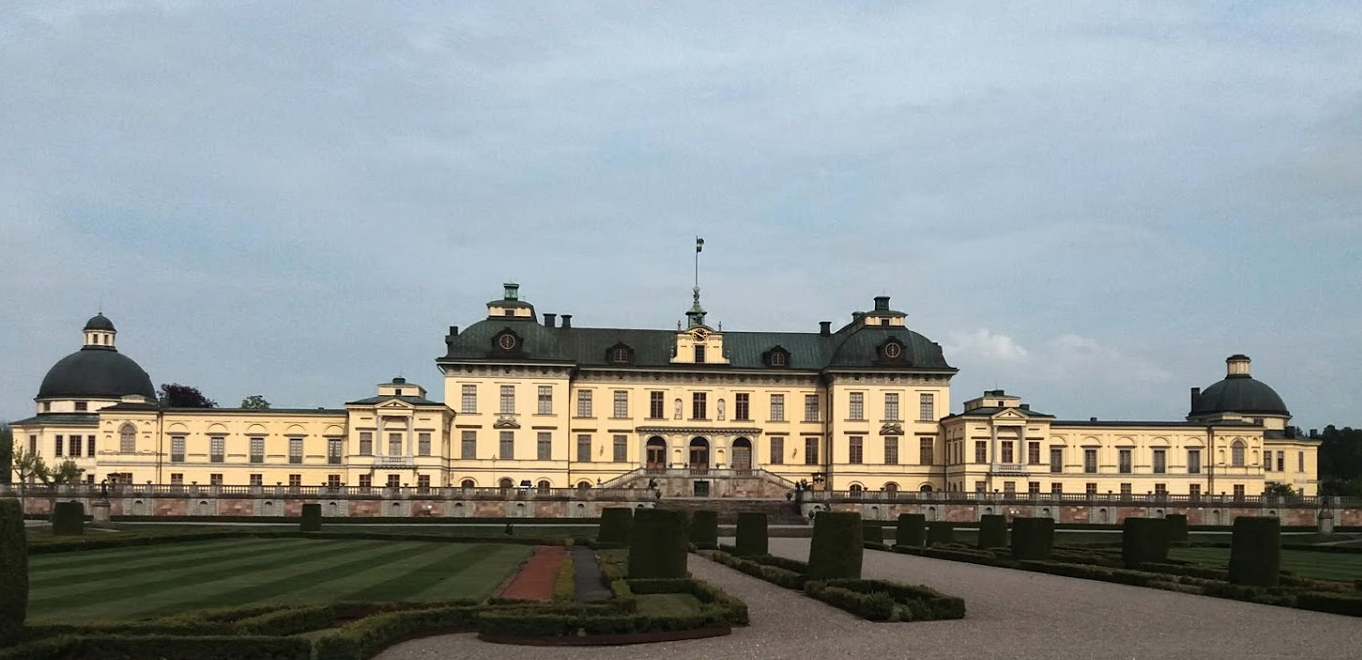

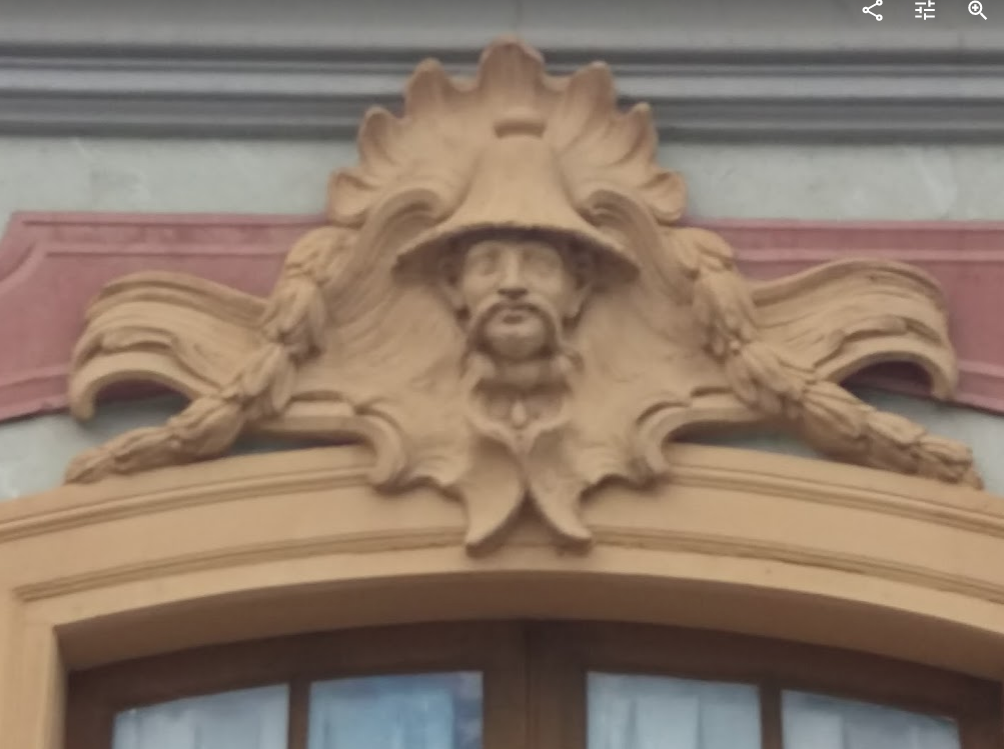
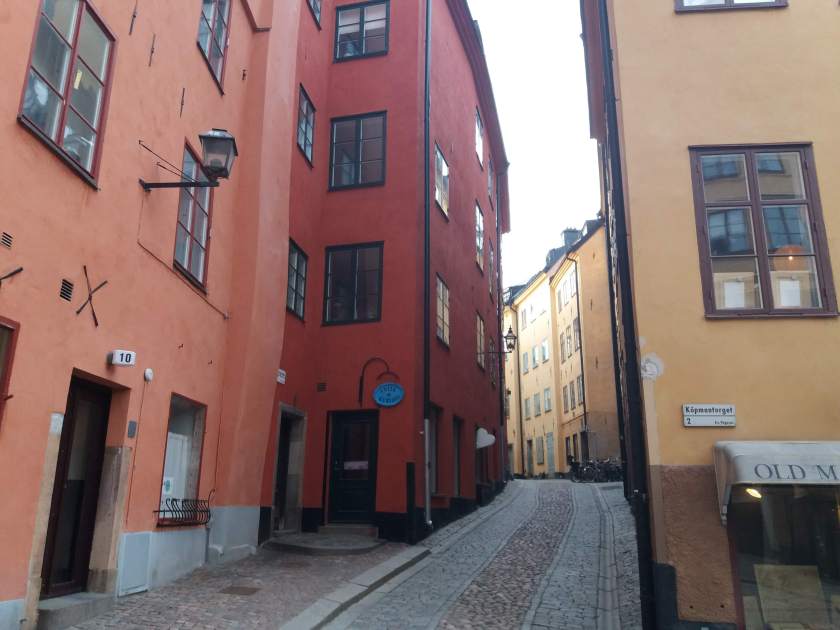


 timharnesstravels