Friday 19 September
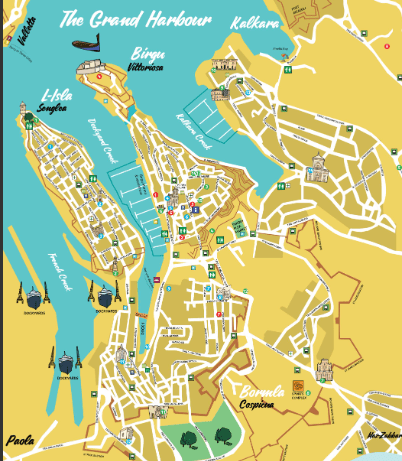
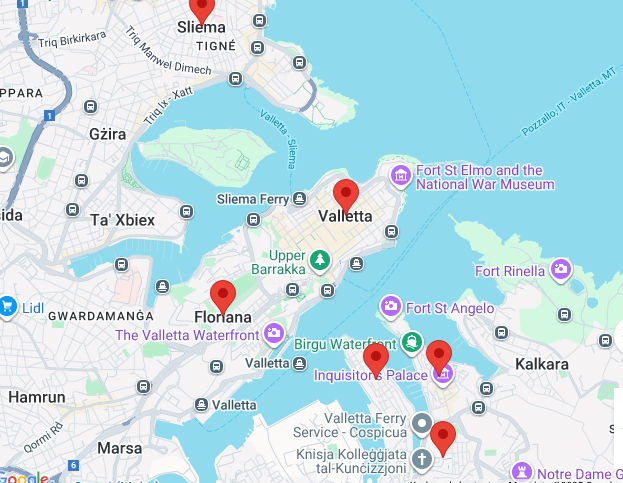
Across the Grand Harbour from Valletta are the Three Cities of Senglea, Birgu and Kalkara, which occupy promontories reaching out into the harbour. To reach Senglea we walked to Floriana bus station and took the No. 1 bus.
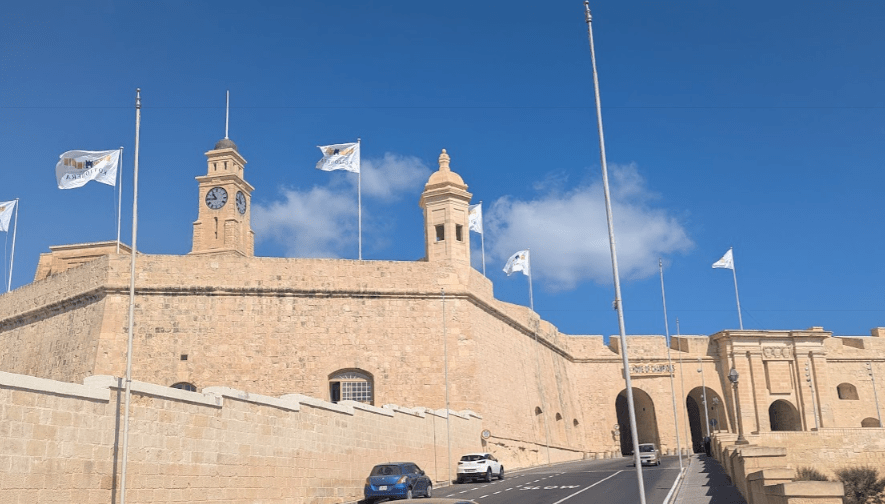
Like most places in Malta, Senglea is heavily fortified. After the Ottomans had laid siege to Malta, the Knights of St John put enormous walls and gun platforms around every major settlement. The Knights really annoyed the Ottomans by taking as many of their merchant ships as they could, Malta was a real hornets nest to them.
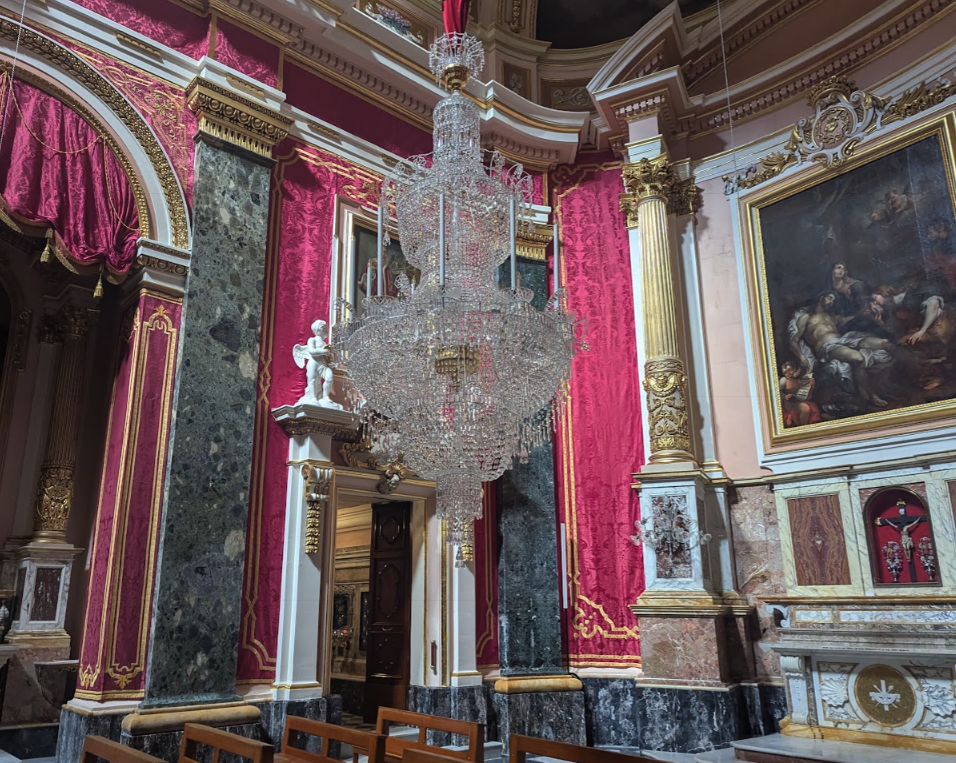
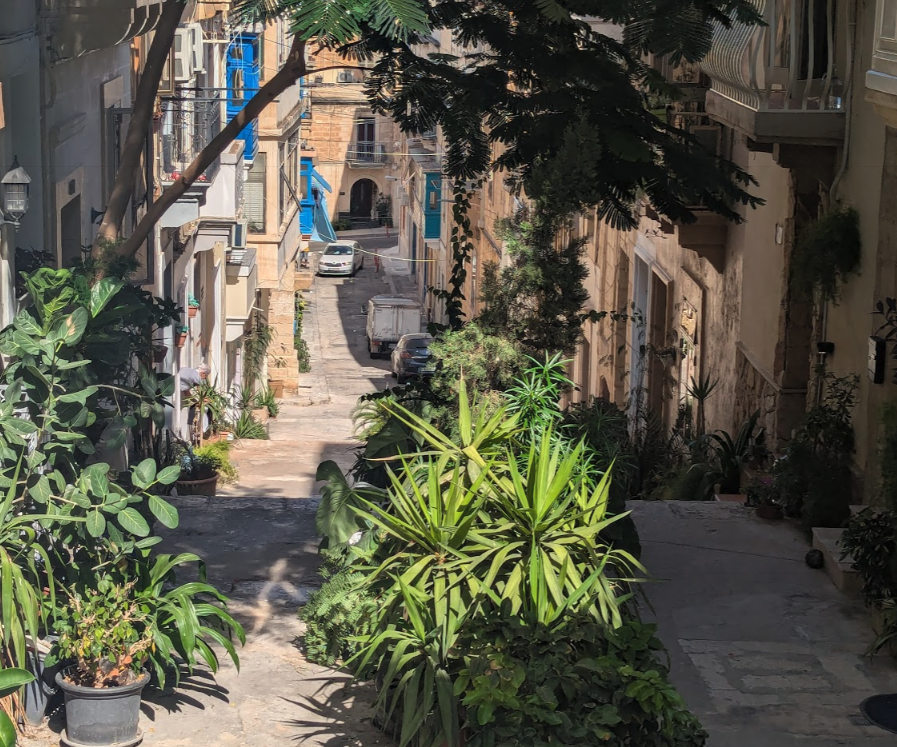
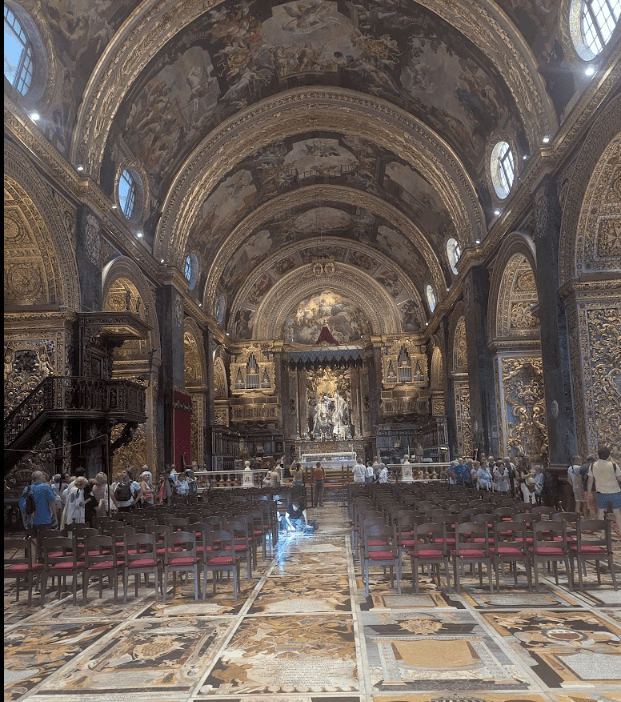
Senglea is entered through massive gates, and beyond is a grid of very quiet streets. All the houses are typical Maltese, with enclosed wooden bay windows on the first floor supported by stone corbels. It all looks ancient, but in fact 75% of the houses were destroyed in the War, so most homes are reconstructed. We went into the massive domed basilica, all the churches in Malta are huge. Inside it is clad in marble, red velvet and gold leaf. There are huge chandeliers hanging from the ceiling, it probably looks like the White House will in a couple of years time. Sumptuous Baroque would describe the style. But most of the church was bombed during the war and it was rebuilt in the 1950s.
The streets are very quiet and peaceful, with a few small local shops, it feels like a village rather than a city.
Walking down a side street we looked over a dry dock that held an enormous sailing yacht which was discovered (by using Google Lens) is called Eon and is owned by a media billionaire called Barry Diller. It’s 94 metres long, and its masts towered over the houses.
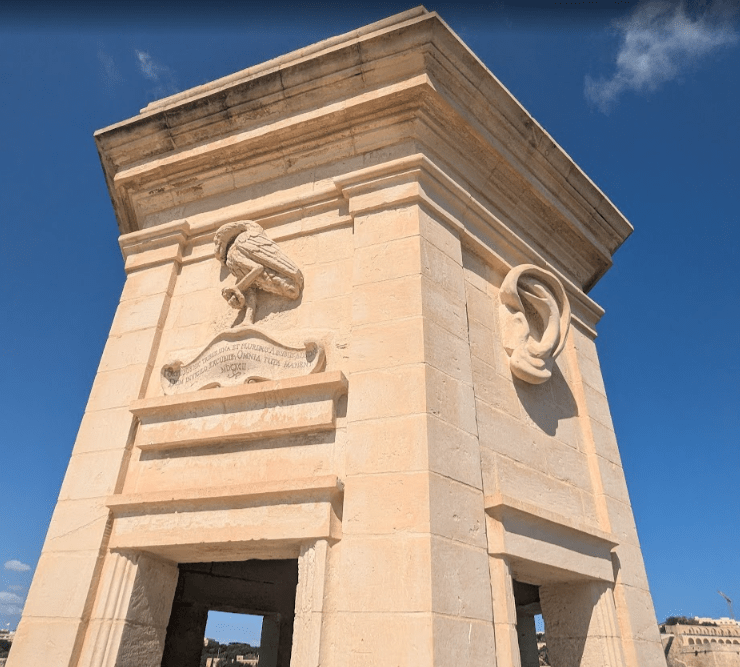
At the tip of Senglea is a little garden with a small guard tower overlooking the harbour called La Guardiola, which has a stone ear on it.
Senglea has hardly any cafes or restaurants, it really is a quiet village. There are a few places to eat on Dockyard Creek, facing Birgu.
We walked around the shore of Senglea to the next of the Three Cities called Birgu or Vittoriosa. Its original name was Birgu, but it held out against the Turks in the Great Siege and was renamed Vittoriosa by the Knights. It was the original capital of the Knights before Valetta was built.
The Knights of St John
A bit of background on the Knights of St John (or kehniggats as Monty Python would call them). They were founded in 12th century Jerusalem as Knights Hospitaller to care for poor pilgrims on their way to the holy sites in Palestine. They then took up arms to protect pilgrims against Islamic forces and became increasingly powerful and built some big castles including Crac de Chevalier in Syria. They were booted out of The Holy Land by the Islamic forces, and settled on the island of Rhodes in the 14th century, which they then fortified. They had a fleet of ships which harried Ottoman shipping and generally pissed off the Turks. They were rich because the Knights owned estates all over Europe (including at Hampton Court) and got a lot of support from monarchs and the Popes for fighting Islam on their behalf. They annoyed the Turks so much they set siege to Rhodes in 1522 with 200,000 men and some very big cannons. The Knights retreated once again to Sicily first and then the Pope gave them Malta in 1530. Once again they fortified it and made their capital in Birgu to begin with, before they built Valletta, which was named after their Grand Master Jean de Vallette. They stayed in Malta until 1798 when Napoleon occupied it on his way to Egypt. The French had Malta for a few months until the British Navy took it from them. Hoorah! It was “ours” until 21 September 1964 when Malta became independent.
Birgu is bigger than Senglea and has a bit more to see. We visited the Inquisitors Palace, which was where the Roman (not Spanish) Inquisition was based. In the 17th century if you didn’t conform to Catholic rules you could face the Inquisition, which was a religious court. Most people got a good telling off, some went to prison, occasionally people were tortured to get a confession and then executed. All pretty standard stuff for the time. It a moderately interesting museum, but is a great place to go when its 30 degrees outside!
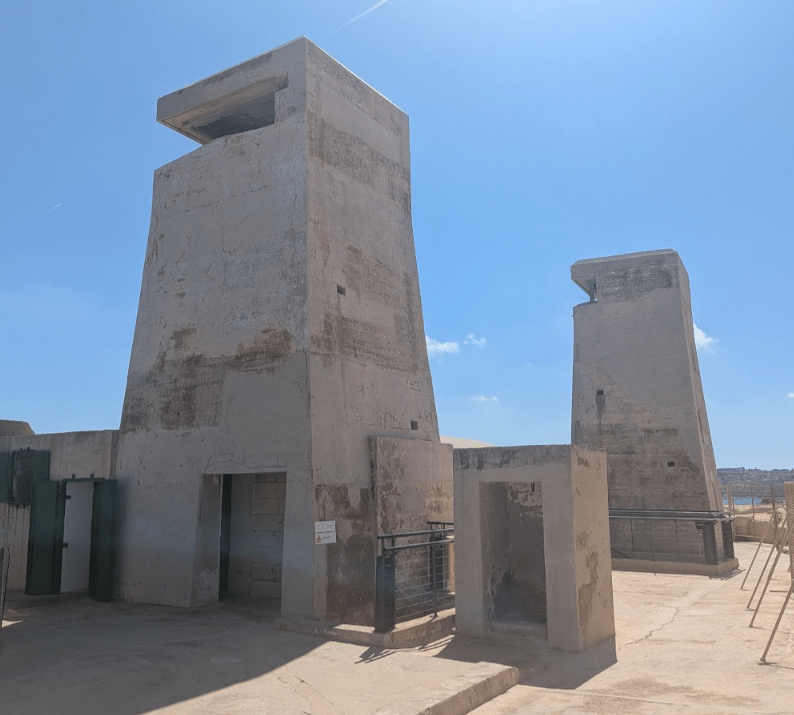
At the tip of the island is the massive Fort St Angelo, a huge castle guarding the harbour which was a military base until the British Navy left in 1979. During the war it had cannons and anti aircraft guns. There are some rooms showing short histories of the Fort and the action it saw in the war.
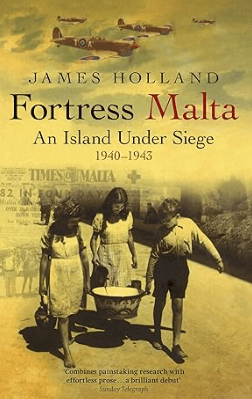
If you want to know more about Malta in WW2, read Fortress Malta by James Holland. It can be a tough read since many of the pilots and submarine crew don’t survive, but the courage and fortitude of the Maltese and British forces is incredible. Malta was the most bomber place in the war.
Our friends were staying in the next of the Three Cities, Kalkara. They had a quirky flat with a great view over the harbour and Valetta in the distance. We didn’t see much of Kalkara, but did have some very good G&Ts.
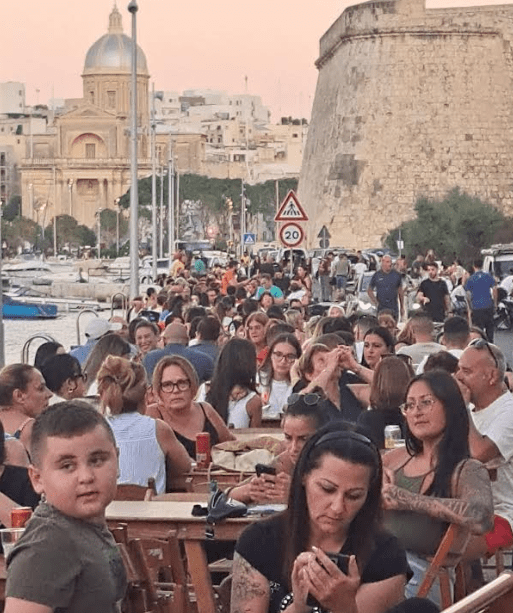
On our walk back to the water taxi in Birgu we went past a big gathering of locals beneath the walls of Fort St Angelo. They had all gathered for a Super Bingo night, which only happens once a month for Big Cash Prizes.
Saturday 20 September
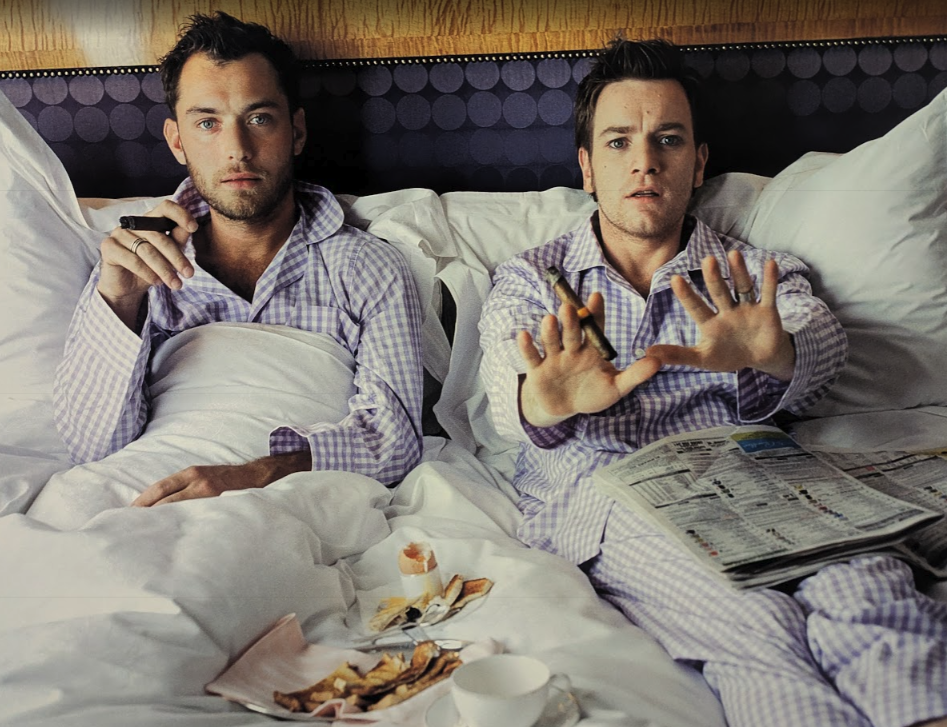
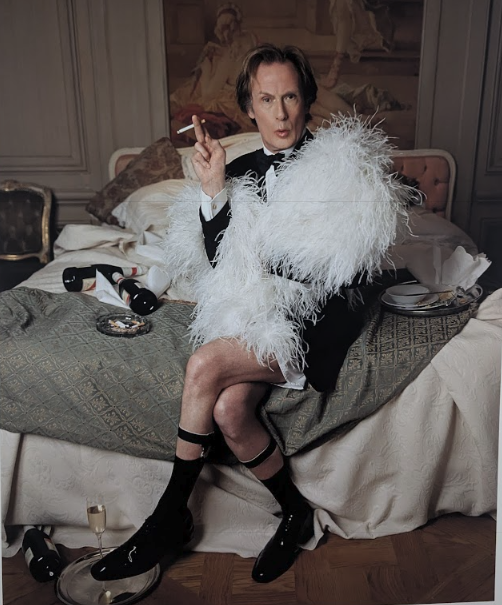
Valletta has something interesting around every corner. This morning we walked past the impressive Parliament building and the ruined Opera House towards Upper Barraka Gardens. I spotted a building called the Spazju Kreativv which I think means Creative Space. It is a repurposed fort built but the Knights of St John, and it has incredibly thick stone walls. It was displaying photos by John Agius, British-born but of Maltese heritage.
He took photos of celebrities for magazines, and they were brilliant, all his subjects.looked beautiful and glamorous. But his pictures of men were the wittiest, especially Bill Nighy and Ewan McGregor.
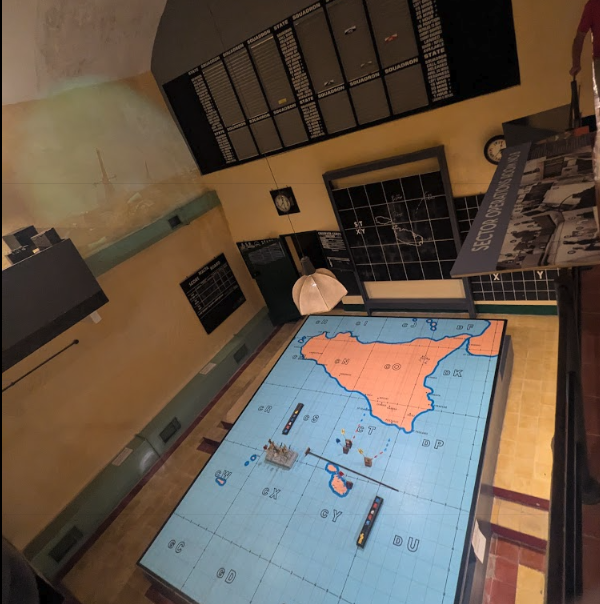
I was itching to see more wartime stuff, so we descended into Lascaris War Rooms beneath Upper Barraka Gardens. They are tunnels dug into the limestone from where the British combined forces fought the Axis powers. There are many rooms stuffed with weapons, mannequins in uniform and display boards telling stories of the war. It is almost overwhelming in its details. There was a restored control room with a big map of Malta for showing where the Axis bombers were and how many fighters the RAF had to put up against them.
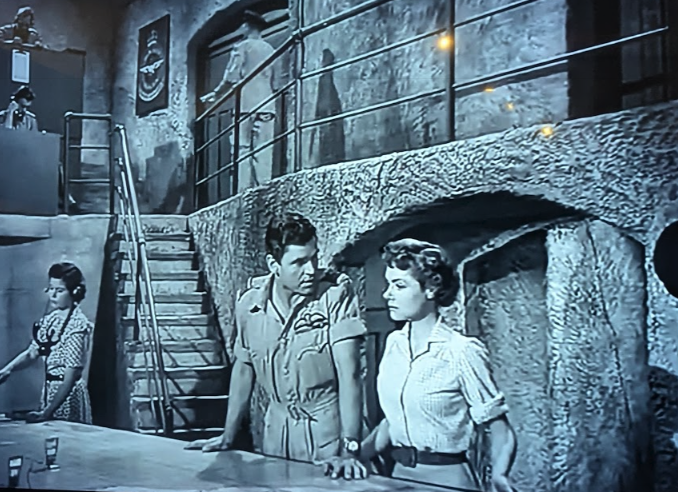
After lunch we took the bus to the town of Mdina in the centre of the island. It was the capital of the island when it was occupied by Arabs in the ninth century, but declined in importance after the Knights of St John took over.

It is a small small walled town that is perfectly preserved from the 18th century and earlier. It has narrow streets and high stone walls, and very few people. There were hardly any locals, a few restaurants and souvenir shops. It felt like being in a film set rather than a town, which it was for A Game of Thrones. It sits on top of a hill so there are amazing views over Valletta.
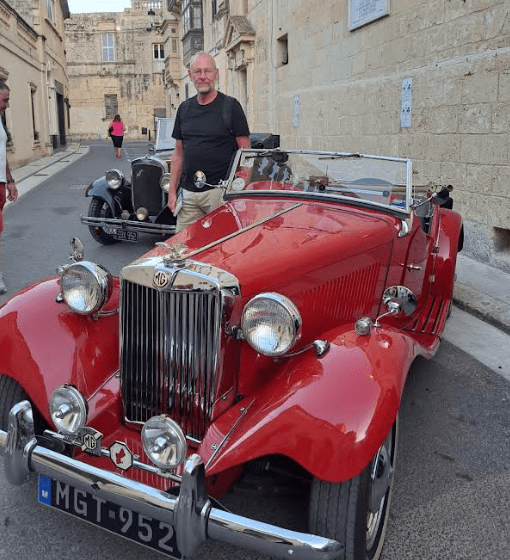
It’s a short walk to the twin town of Rabat, which is where all the people had gone! Independence Day celebrations were just starting in he town centre, so.the place was buzzing. There were re-enacters dressed as soldiers and a display of beautiful vintage cars. I fancied the red MG.
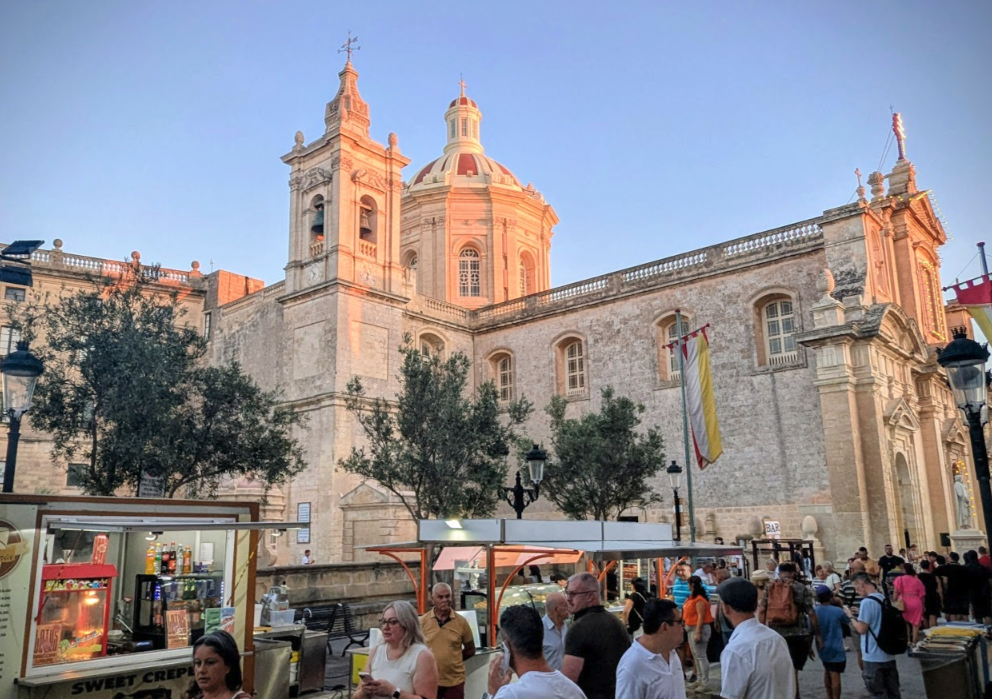
There are several huge churches, as usual, and a good selection of restaurants.
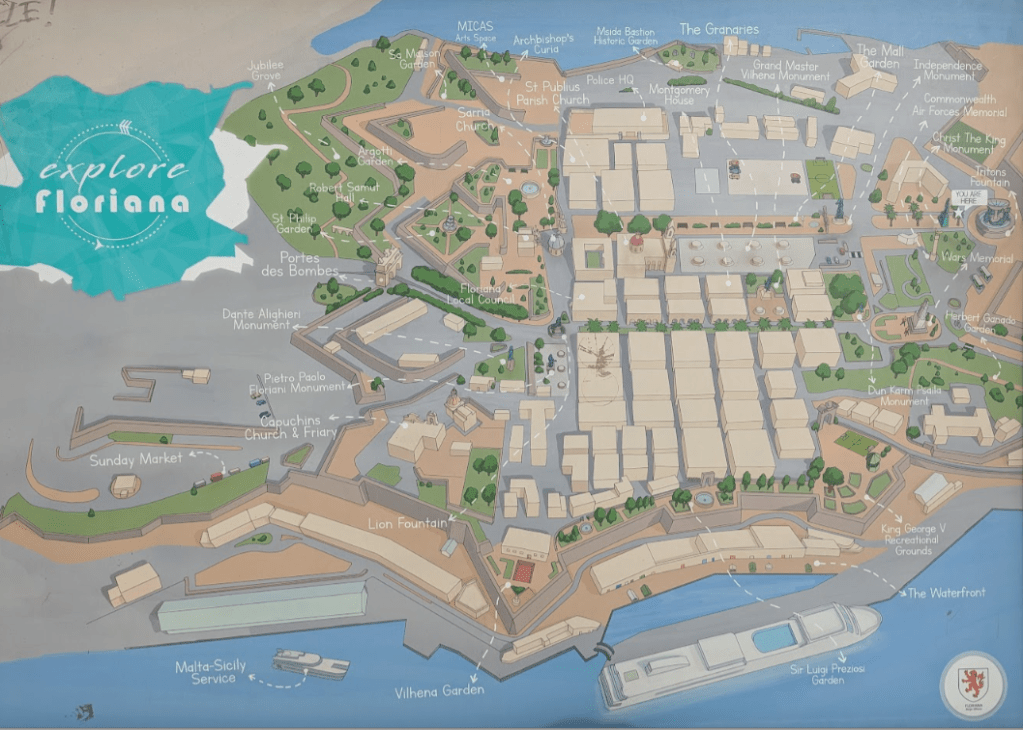
We took the bus back to Valletta where more celebrations were taking place. At the city gate there was some sort of political rally with lots of flag waving, and all the speeches were Maltese. So we went to upper Barraka Gardens to enjoy the view of Grand Harbour at night. Since we were close by we used the lift to the waterfront to go to the Fast Ferry terminal to buy tickets for our trip to Gozo.
Sunday 21 September
Another day, another bus trip, this time the 44 to Golden Bay. Anticipating a busy bus, we arrived at our stop early and it was really quiet. There wasn’t much traffic and the trip only took half an hour.
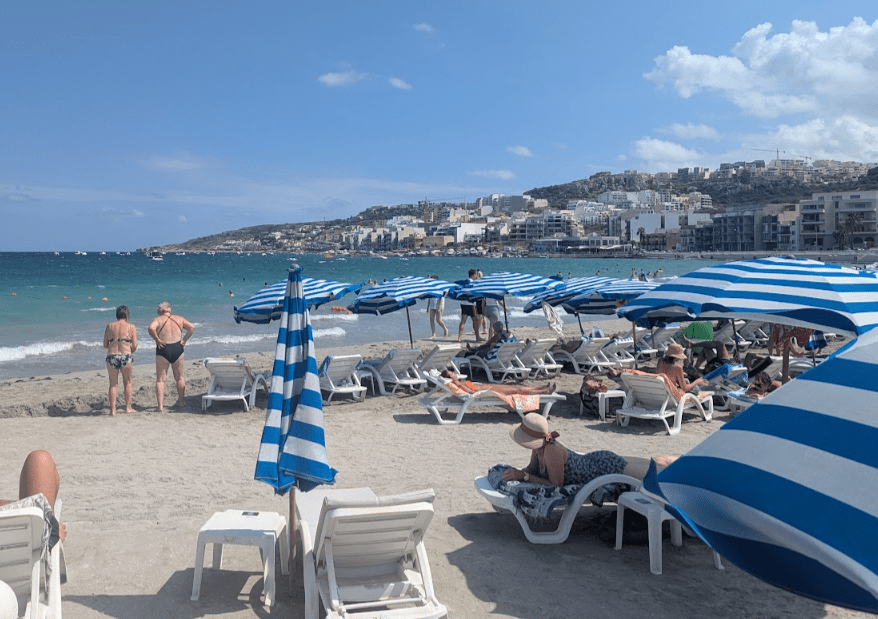
Golden Bay is much better than Mellieha. It is much bigger and is sheltered by cliffs on both sides. The umbrella hire is a reasonable 26 Euros for 2 umbrellas and 2 sun beds, because I am semi-ginger (a new term I invented) I need my own umbrella. I also kept my shirt on so I don’t burn again.
The sea is shallow and it’s basically bloody lovely, and extremely popular. So we were very happy to lay on our recliners for 5 hours with the occasional dip in the sea to cool off.
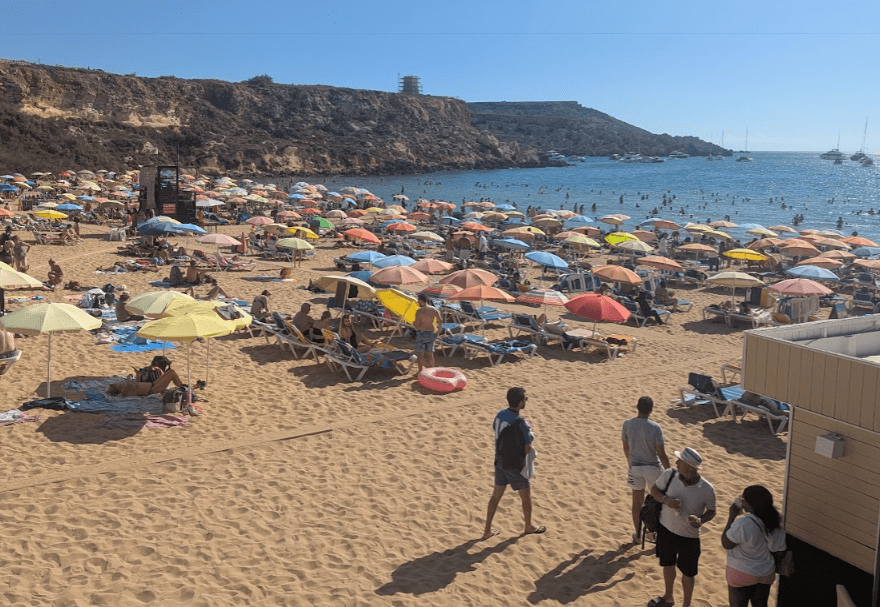
I observed that many of the ladies wear tiny bikinis barely covering their bums However their male partners all wear big baggy shorts. I conclude that men don’t care about having pale bums, but women are very concerned and must have tanned behinds. Discuss.
We left before the rush at about 4 and it was a fast trip back to Floriana. The rural landscape of Malta is made up of small fields with rough dry stone walls. Most of it looks uncultivated, soil does not look very fertile after several thousand years of cultivation. In some places there are big greenhouses, and all the diary farms keep their cows in sheds.
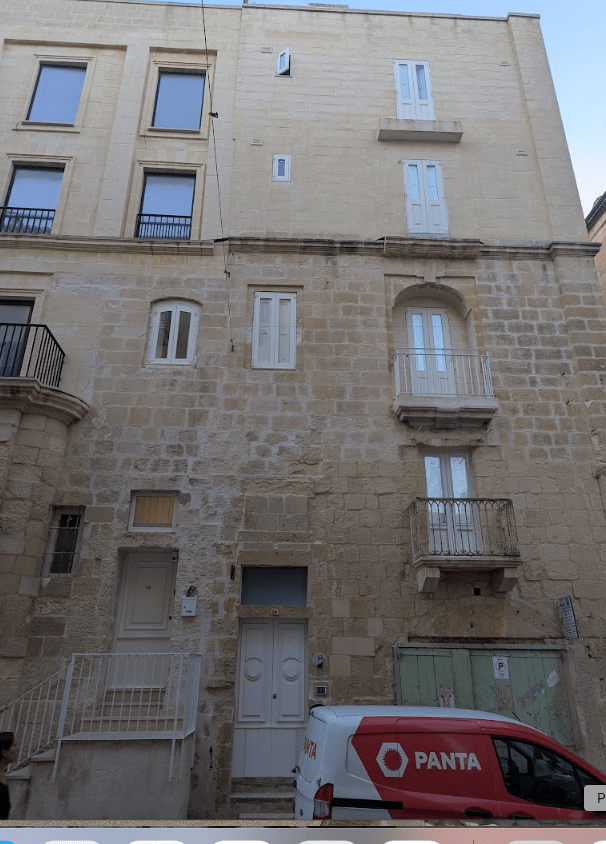
Back at our flat we climbed the 63 steps to reach the door of the flat, the climb has become tiresome.
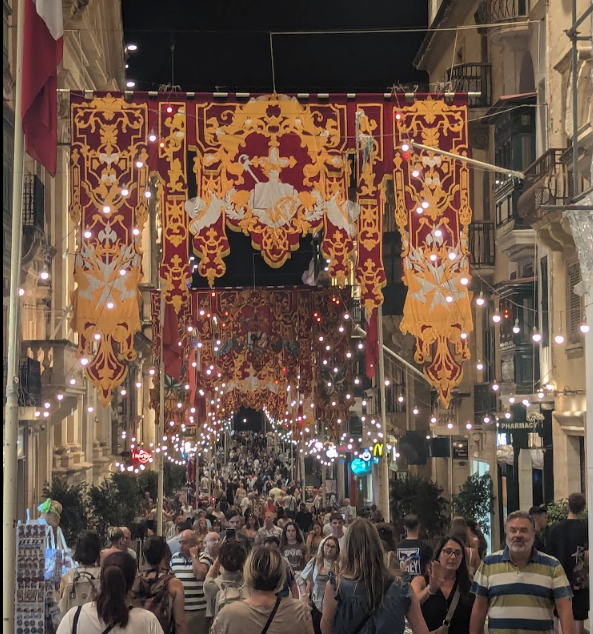
Valletta is very busy in the evening and there are a huge number of restaurants and bars. Just for a change we didn’t have Italian food, but chose a Turkish restaurant. I had a mixed doner, Julie had a falafel wrap.
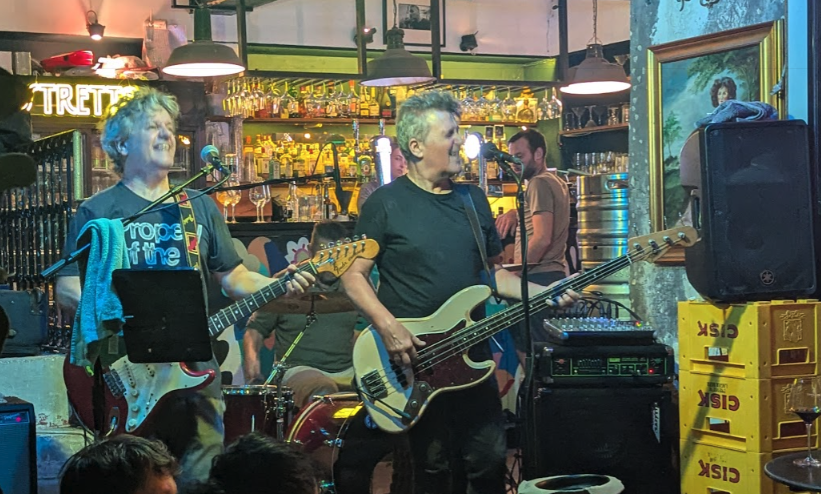
Walking through a square near the Grand Masters Palace we heard rock music and went down Archbishop Street to the Babel Bar. A trio were playing brilliant popular rock songs to a very appreciative audience, including: Pink Floyd, The Beatles, the Stones, Green Day, Oasis, Dire Straits and even a bit of James Brown. A very appreciative audience were singing along and buying lots of beer. It was easily the most fun I have had in Malta!
 timharnesstravels